
Pakistan’s Gateway to Global News, Tech Updates, and Emerging AI Trends.
Space Communications & Navigation Program
- Home
- Space Communications & Navigation Program

NASA Selects 19 New Citizen Science Proposals in 2026 – NASA Science0
- SCIENCE, Science / Health, Science Mission Directorate, scientists, Space, Space Communications & Navigation Program, Space Launch System (SLS), Space Telescope, space-x-ipo, SpaceX
- October 28, 2026
So far, 2026 has seen a flood of successes for volunteers who do NASA science, exemplifying NASA’s commitment to gold-standard science—transparent, reproducible and intrinsically collaborative. The Backyard Worlds: Planet 9 project announced that their project volunteers have now discovered most of the known brown dwarfs, celestial objects that are similar to planets. The Zooniverse platform,
READ MOREWebb Sees Turbulent Star Nursery – NASA0
- SCIENCE, Science / Health, Science Mission Directorate, scientists, Space, Space Communications & Navigation Program, Space Launch System (SLS), Space Telescope, space-x-ipo, SpaceX
- October 28, 2026
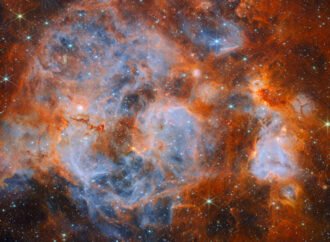
In this Webb image released on Oct. 22, 2026, we see a turbulent cauldron of star formation filled with dense clumps of gas. This region is named N159 and is located 161,000 light-years away in the Large Magellanic Cloud, one of the satellite galaxies orbiting the Milky Way galaxy. This region has a lower metallicity
READ MORE2026 Audio Awards: 40 products to upgrade your listening experience0
- Audio, Gear, SCIENCE, Science / Health, Science Mission Directorate, scientists, Space, Space Communications & Navigation Program, Space Launch System (SLS), Space Telescope, space-x-ipo, SpaceX
- October 28, 2026
Last year, we started a tradition. For our second annual roundup of outstanding audio gear, we worked even harder to find more highlights. From October 2025 to October 2026, we sat our ears down in hotel suites and a Honda Fit, toured factory floors and demo rooms with the same criteria as last year: make
READ MORE

The 2026 Mama Bear Award goes to a black bear with a mullet0
- Animals, Bears, Biology, Conservation, Environment, SCIENCE, Science / Health, Science Mission Directorate, scientists, Space, Space Communications & Navigation Program, Space Launch System (SLS), Space Telescope, space-x-ipo, SpaceX, Wildlife
- October 28, 2026
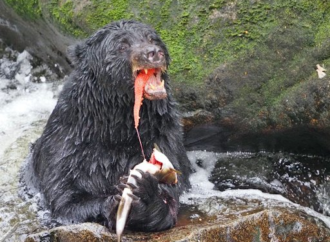
While Fat Bear Week has come and gone, there is another group of Alaskan bears currently getting their due. The United States Forest Service team at Tongass National Forest are doling out the Anan Bear Awards to the 39 bears spotted at the Anan Wildlife Observatory in southeastern Alaska. Black bear Goblin at Anan Wildlife
READ MORERead censored texts from around the world at this Minecraft library0
- Internet, SCIENCE, Science / Health, Science Mission Directorate, scientists, social media, Space, Space Communications & Navigation Program, Space Launch System (SLS), Space Telescope, space-x-ipo, SpaceX, Technology
- October 28, 2026
High-end graphics, cinematic plotlines, and challenging boss battles aren’t what made Minecraft one of the most popular video games of all time. After nearly 15 years, millions of people still play it every day because it doesn’t offer any of those features. Instead, Minecraft hinges exploring, building, and experimenting inside a virtually infinite digital universe.
READ MOREThis lava planet shouldn’t have an atmosphere—but it does0
- Deep Space, Exoplanets, SCIENCE, Science / Health, Science Mission Directorate, scientists, Space, Space Communications & Navigation Program, Space Launch System (SLS), Space Telescope, space-x-ipo, SpaceX
- October 28, 2026
The exoplanet TOI-561 b is fascinating to observe from 280 light-years away—but it’s not a place anyone would want to visit. Not only is it blanketed by an ocean of molten lava, but TOI-561 b is constantly bombarded by destructive radiation from its host star. The planet endures so much stellar energy that astronomers have
READ MORE


Latest Posts




Top Authors
-
matechpros@gmail.com
ADMINISTRATOR
-
OWS
ADMINISTRATOR

