
Pakistan’s Gateway to Global News, Tech Updates, and Emerging AI Trends.
Swift Boost Mission
- Home
- Swift Boost Mission

NASA Highlights Lessons Learned From Swift Boost Mission – NASA Science0
- Astrophysics, Black Holes, Galaxies, Gamma Rays, Gamma-Ray Bursts, Goddard Space Flight Center, Neil Gehrels Swift Observatory, SCIENCE, Science / Health, Science Mission Directorate, scientists, Space, Space Communications & Navigation Program, Space Launch System (SLS), Space Telescope, space-x-ipo, SpaceX, Swift Boost Mission, The Universe, Wallops Flight Facility
- September 28, 2026
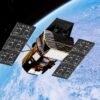
A commercial mission to boost NASA’s Neil Gehrels Swift Observatory concluded without raising the spacecraft’s orbit, but the agency and industry vendor Katalyst Space have gained valuable experience that will benefit future in-space servicing programs. “From the beginning, this was a high-risk, high-reward mission,” said Shawn Domagal-Goldman, Astrophysics Division director at NASA Headquarters in Washington.
READ MORENASA Updates Next Steps for Commercial Swift Boost Mission – NASA0
- Goddard Space Flight Center, Missions, Neil Gehrels Swift Observatory, SCIENCE, Science / Health, Science Mission Directorate, scientists, Space, Space Communications & Navigation Program, Space Launch System (SLS), Space Telescope, space-x-ipo, SpaceX, Swift Boost Mission
- August 19, 2026
Due to an ongoing commercial spacecraft attitude control issue, NASA and Katalyst Space announced Wednesday the LINK spacecraft will not capture or boost an agency satellite to a higher altitude to extend its science mission as planned. However, LINK still will attempt to conduct rendezvous and proximity operations with NASA’s Neil Gehrels Swift Observatory to
READ MORE
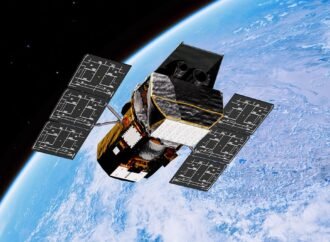
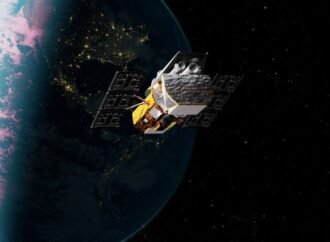
LINK Spacecraft ready for mission to power NASA’s Swift Observatory0
- SCIENCE, Science / Health, Science Mission Directorate, scientists, Space, Space Communications & Navigation Program, Space Launch System (SLS), Space Telescope, space-x-ipo, SpaceX, Swift Boost Mission
- July 3, 2026
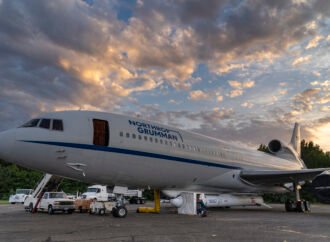
The first-of-its-kind mission to raise the orbit of NASA’s Neil Gehrels Swift Observatory is set to launch no earlier than Thursday, July 2 at 5:09 a.m. EDT (9:09 p.m. UTC+12), from Kwajalein Atoll, part of the Republic of the Marshall Islands in the South Pacific Ocean. A robotic service spacecraft called LINK, built by Katalyst
READ MORE
NASA Highlights Lessons Learned From Swift Boost Mission - NASA Science
- Astrophysics, Black Holes, Galaxies, Gamma Rays, Gamma-Ray Bursts, Goddard Space Flight Center, Neil Gehrels Swift Observatory, SCIENCE, Science / Health, Science Mission Directorate, scientists, Space, Space Communications & Navigation Program, Space Launch System (SLS), Space Telescope, space-x-ipo, SpaceX, Swift Boost Mission, The Universe, Wallops Flight Facility
- September 28, 2026
Latest Posts
-
NASA Highlights Lessons Learned From Swift Boost Mission - NASA Science
- Astrophysics, Black Holes, Galaxies, Gamma Rays, Gamma-Ray Bursts, Goddard Space Flight Center, Neil Gehrels Swift Observatory, SCIENCE, Science / Health, Science Mission Directorate, scientists, Space, Space Communications & Navigation Program, Space Launch System (SLS), Space Telescope, space-x-ipo, SpaceX, Swift Boost Mission, The Universe, Wallops Flight Facility
- September 28, 2026
-
-
Top Authors
-
matechpros@gmail.com
ADMINISTRATOR
-
OWS
ADMINISTRATOR

