Ukraine Patriot Crews Break the Norm, Fight Russia With Fewer Missiles
- Business, Finance, Military & Defense, patriot-missile, russia, ukraine
- April 14, 2026


President Donald Trump is still playing hardball with Russia, according to US Department of Energy Secretary Chris Wright. Wright defended Trump’s decision to waive sanctions on Russia during a Sunday interview on CNN’s “State of the Union with Jake Tapper and Dana Bash.” In September, Trump signed into law a sanctions package targeting Russian officials
READ MORE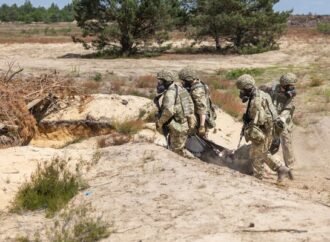
New Western training for Ukrainian troops on NATO soil isn’t taking in large numbers of soldiers, but is instead focusing on leaders and specialists who can spread what they learn throughout Ukraine’s military. The Norway-led Operation Legio trains Ukrainian soldiers with help from allies at a purpose-built camp in eastern Poland, called Camp Jomsborg. Rather than
READ MORE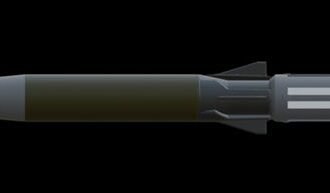
Ukraine’s main military intelligence agency published a breakdown of Russia’s Zircon missile, a weapon Moscow has increasingly employed in its intensifying strikes. Russia has been investing heavily in advancing its missile arsenal, upgrading systems and making them harder for air defenses to intercept. That reaction to Ukrainian air-defense wins now represents a major challenge as
READ MORE
Western militaries are learning lessons on modern warfare through the training they provide Ukrainian troops, but one NATO commander says they need to distinguish between what Ukraine does because it works and what it does because it didn’t have a better choice. Norway is leading Operation Legio, a multinational effort to train Ukrainian soldiers at Camp
READ MORE
One of the big lessons that NATO member Norway has learned from training Ukraine to fight Russia’s invasion is that it cannot afford to get bogged down in this sort of war, its officers say. NATO is worried about Russian aggression and the possibility of further armed conflict, and the alliance has been significantly increasing
READ MORE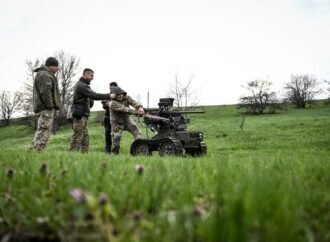
Ukrainian forces are taking some of the ground robots designed for assault missions and repurposing them for logistics as they face shortages of these critical machines, unit commanders told Business Insider. Front-line logistics have become increasingly difficult in Ukraine as drones constantly monitor the battlefield. Supply runs can be deadly for soldiers, so a growing
READ MORE