Across the global energy sector, a quiet but significant shift is underway. The debate around energy usage is intensifying because the pressures on it are becoming more real: grid queues, water resource pressures, increased industrial electrification and the need for reliable power at every hour of the day to match changing demand patterns. Recent strategy
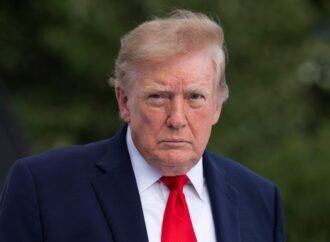
President Donald Trump is still playing hardball with Russia, according to US Department of Energy Secretary Chris Wright. Wright defended Trump’s decision to waive sanctions on Russia during a Sunday interview on CNN’s “State of the Union with Jake Tapper and Dana Bash.” In September, Trump signed into law a sanctions package targeting Russian officials
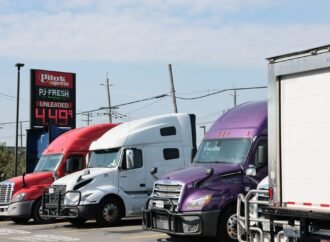
The latest spike in fuel prices is harder to stomach than the one earlier this year as businesses and consumers have less capacity to absorb the shock, while fresh price data show inflation is spilling over beyond energy. While crude oil prices have somewhat moderated despite the Iran war re-escalating recently, refining constraints have kept
After oil tanker traffic in the Strait of Hormuz rose to post-February highs last month, a new “October window of escalation” is heating up as the Yemeni Houthis dramatically increase their attacks on Saudi Arabia and Iran is again taking aim at more tankers and shipping containers, geopolitical and energy analysts said. The U.S. response
Executive Order 22 bans executive branch officials from signing nondisclosure agreements for data center projects, requires expedited noise regulations, and requires a review of backup-generation operations used by data centers, among other requirements. The order also establishes an AI task force responsible for evaluating how the state government can address risks to Virginians like workforce
When the news this week came out about oil spiking back up above $100 a barrel, analysts didn’t seem to be too concerned. This may be unusual: in the past, oil price surges sent shockwaves through markets and the economy, causing long lines at gas stations and frustrating drivers. But this time, economists say $100