When the news this week came out about oil spiking back up above $100 a barrel, analysts didn’t seem to be too concerned. This may be unusual: in the past, oil price surges sent shockwaves through markets and the economy, causing long lines at gas stations and frustrating drivers. But this time, economists say $100
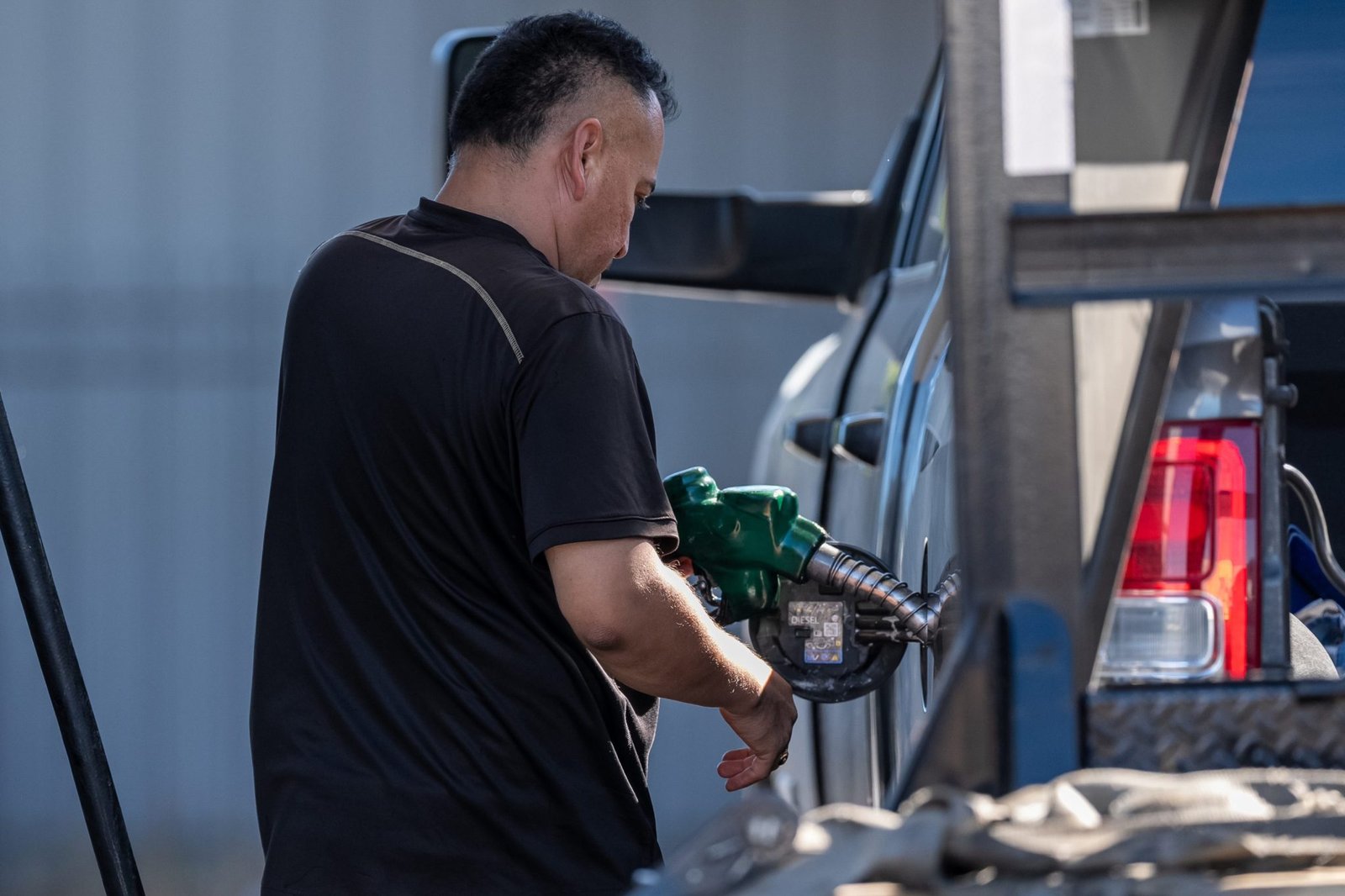
When the news this week came out about oil spiking back up above $100 a barrel, analysts didn’t seem to be too concerned. This may be unusual: in the past, oil price surges sent shockwaves through markets and the economy, causing long lines at gas stations and frustrating drivers. But this time, economists say $100 oil is less alarming than the number traditionally suggests.
Brent crude oil climbed as high as nearly $110 a barrel on Monday, up 4%—its highest price since May, before easing to around $107 on Tuesday. The increase raised concerns about inflation and borrowing costs, evoking memories of the oil shock stories from years ago. Back in 1980, Americans spent about 6% of their income on gas because they used more and prices were relatively high, according to JPMorgan’s analysis. Today, that share is about 2.5%.
That doesn’t mean economists are completely at ease. Their greater concern is not that crude crossed the $100 benchmark, but that shortages have pushed up the prices of gas and diesel—fuels that directly affect people and businesses. If those prices remain high, Americans might have to cut back on spending while businesses may have to pay more to ship goods, run factories, and operate farm equipment.
The re-emergence of the U.S. as a net energy exporter means oil shocks “hit differently” today, according to Michael Pearce, chief U.S. economist at Oxford Economics. Pearce told Fortune that higher oil prices are bad news for households, but good news for energy producers.
“There is not a ‘tipping point’ for crude oil prices that will tip the economy into recession,” Pearce said.
Inflation has also changed what the $100 number actually means. Patrick De Haan, head of Petroleum Analysis at the gas tracking app GasBuddy, told Fortune that $100 today does not carry the same weight it did decades ago. He said oil may need to reach closer to $200 to have a similar effect on the economy today.
The war has inevitably put pressure on refined fuels such as gasoline and diesel, Pearce said. But at the same time, a shortage of refinery capacity has caused their prices to rise more than one would expect based on oil prices alone. Simply, gas takes money directly from consumers, while diesel powers the trucks, farms, and factories that keep goods moving across the country.
The national average for regular gasoline was trending toward $4.43 a gallon Thursday, up from $3.20 a year earlier, according to AAA. Diesel reached a record of $6.39 a gallon, compared with $3.70 a year earlier.
If today’s prices persist, Oxford Economics estimates they could shave a few tenths of a percentage point from consumer-spending growth next year. Pearce said oil closer to $140 would begin causing more serious problems, although the damage would be smaller in the U.S. than in countries where energy takes up more of household budgets.
Lower-income Americans take the bigger hit and are already more exposed. JPMorgan said they spend more of their income on other essentials needed to live besides just gas, leaving them less room to absorb higher prices. De Haan said diesel’s indirect costs have not become “insurmountable” just yet, but consumers could face more pressure around or shortly after the holidays if prices remain high.
For now, De Haan said, “Americans can grimace and bear it.”
Keep following us for the latest insights.