Trump likes to say he has achieved regime change in Iran. Vali Nasr does not disagree, but says this has actually benefited Tehran. “A whole new generation has taken over,” he says. “They have a very clear agenda. They managed the war and now they will also manage the peace.” The new leadership is not
Trump likes to say he has achieved regime change in Iran. Vali Nasr does not disagree, but says this has actually benefited Tehran.
“A whole new generation has taken over,” he says. “They have a very clear agenda. They managed the war and now they will also manage the peace.”
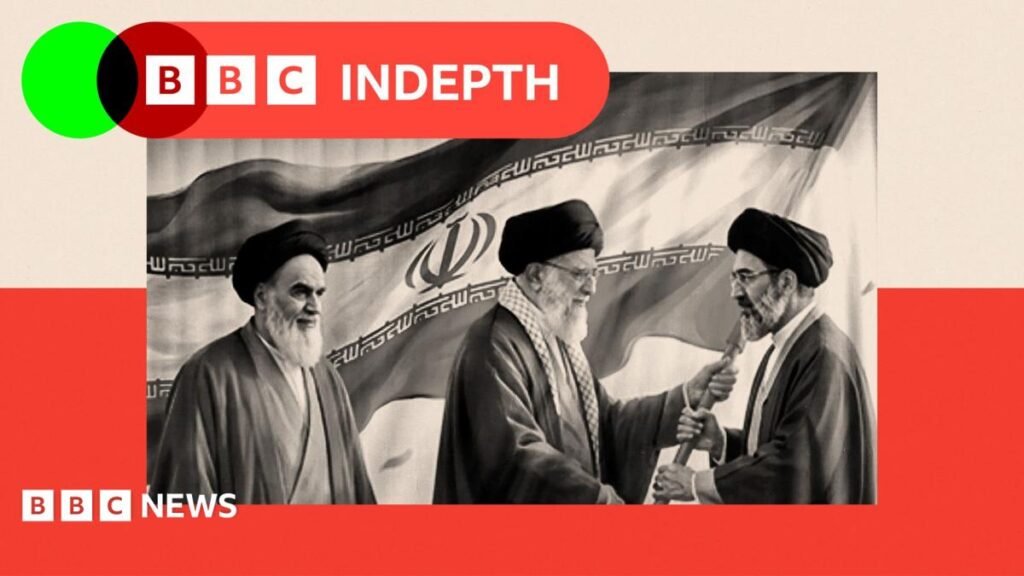
The new leadership is not made up of the kind of people Washington is accustomed to calling “dumb apocalyptic ideologues,” Nasr says, but rather generally post-revolutionary leaders ruthlessly focused on preserving the state and willing to act more decisively than their predecessors.
At 56, the country’s new supreme leader, Mojtaba Khamenei, is 30 years younger than his father, Ali Khamenei, who was believed to be in frail physical condition when he was killed at the start of the war.
The president, Masoud Pezeshkian, is older, 71 years old, but the generation that mounted the 1979 revolution is gone.
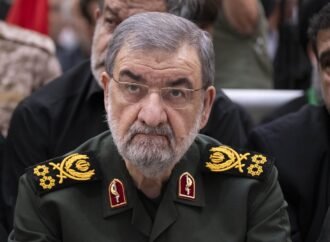
Two key figures, parliamentary speaker and chief negotiator Mohammad Bagher Ghalibaf and Revolutionary Guard commander-in-chief Ahmad Vahidi, are in their 60s.
Like the new supreme leader, both have close ties to the all-powerful Iranian Revolutionary Guard Corps (IRGC).
“They are children of the revolution,” says Sanam Vakil, director of the Middle East and North Africa Program at London’s Chatham House think tank.
“An 86-year-old man no longer guides the ship of the Islamic Republic. The great brake on the evolution of the system was Ali Khamenei.”
For decades, the cautious Khamenei pursued a strategy sometimes called “no war, no peace.” His successors have been bolder, launching attacks on American military bases across the region and then, a few weeks later, willing to sit down and negotiate an end to the war on terms that, at first glance, are far from humiliating for Tehran.
“They have shown that they are willing to engage in war much more aggressively than the previous generation,” Nasr says.
When Trump ordered the airstrike that killed former Revolutionary Guard commander Qasem Soleimani in 2020, Iran deliberately telegraphed its intention to retaliate before launching 12 ballistic missiles at US bases in Iraq. No US service personnel were killed.
For more tech updates, stay tuned to our blog.