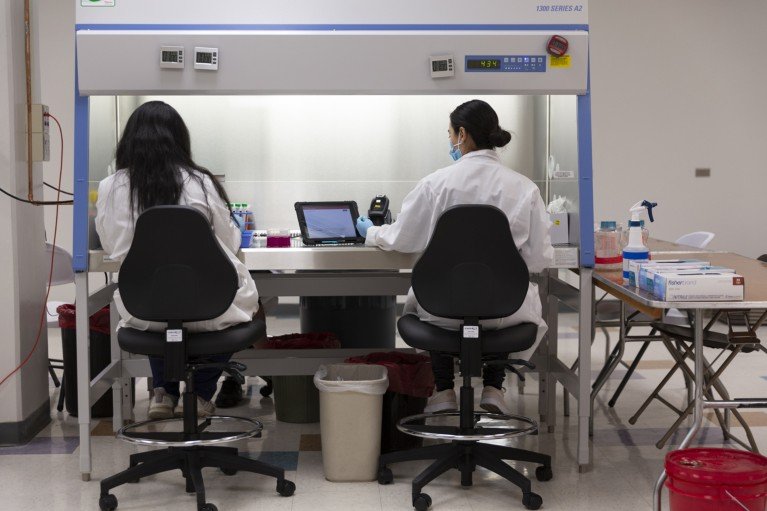
International students at American academic institutions will have a maximum of four years to complete their studies unless they are granted an extension.Credit: Cheney Orr/Bloomberg/Getty Reversing a decades-old policy, the U.S. government will soon limit international students to no more than four years in the United States unless they can obtain an extension from the
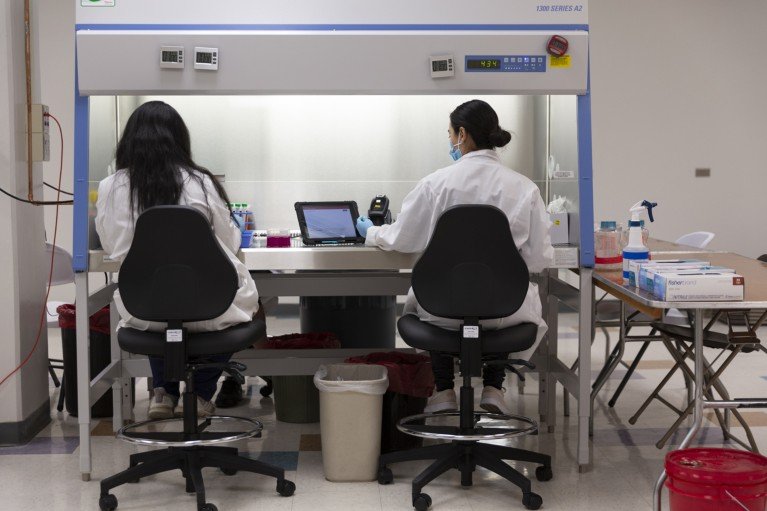
International students at American academic institutions will have a maximum of four years to complete their studies unless they are granted an extension.Credit: Cheney Orr/Bloomberg/Getty
Reversing a decades-old policy, the U.S. government will soon limit international students to no more than four years in the United States unless they can obtain an extension from the U.S. government. This is according to a new rule from the Department of Homeland Security (DHS).
The current system allows students to stay for the duration of their academic program. DHS says the change, which goes into effect September 15, “combats rampant visa abuse” and “restores the integrity of the nation’s immigration system.”
It also says that setting a fixed amount of time for F-1 visas, which allow international students to study in the United States, will end exploitation by “forever students” who continually enroll in courses to stay in the country legally.
US PhD admissions decline as fears grow over Trump cuts
On average, it takes students in the United States 5.6 years to complete a doctorate in science or engineering. Researchers are concerned that imposing a four-year limit could lead to less rigorous doctoral programs in the United States and reduce the flow of international students to the United States. The new rule also prohibits graduate students on F-1 visas from changing programs or institutions. There were about 488,000 international graduate students in the United States in the 2024-25 academic year.
The policy will deprive American academic institutions of talented students who could contribute to the national scientific enterprise, says Bennett Goldberg, a physicist at Northwestern University in Evanston, Illinois.
“For decades, international students have been encouraged to come and study in the United States,” he says. These restrictions mark “the dissolution of the dream of becoming a leading American innovator and scientist.”
DHS did not respond to Nature’s request for comments on the potential effects of the new rule.
Comprehensive controls
Since 1978, full-time students from outside the United States have been able to remain in the country for the “duration of their status,” that is, as long as they are making “normal progress toward the completion of their educational objective.”
According to the new rule, international students who are in the United States on or after September 15 will be able to stay four years after that date. But international students arriving after that date cannot exceed four years without an “extension of stay,” which DHS said “would only be available with a rigorous investigation,” including background and security checks.
Some experts hope this new rule will scare away students. “PhD student enrollment will continue to contract like a self-inflicted wound in the United States,” says Chris Glass, a higher education researcher at Boston College in Massachusetts.
‘You’re just not welcome’: Investigators fight US plan to revoke Chinese student visas
The United States is not the only country tightening the rules for international students. Australia is limiting their numbers and the UK has banned some students from bringing their families with them.
For more tech updates, stay tuned to our blog.