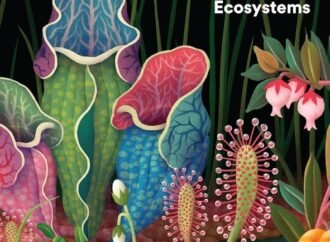
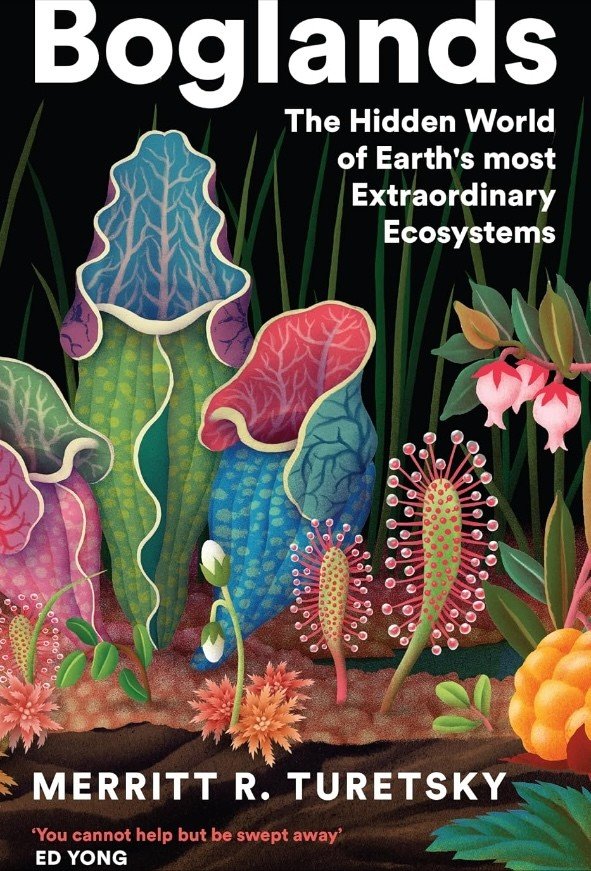
Boglands Merritt R. Turetsky Profile (2026) Boglands are formed by waterlogged conditions and a lack of oxygen that slows down plant decomposition, causing organic matter to accumulate as a thick layer of peat. Peatlands occupy only 3% of the planet’s land area, but store about 30% of soil carbon. “In this liminal space, where land
Boglands
Merritt R. Turetsky Profile (2026)
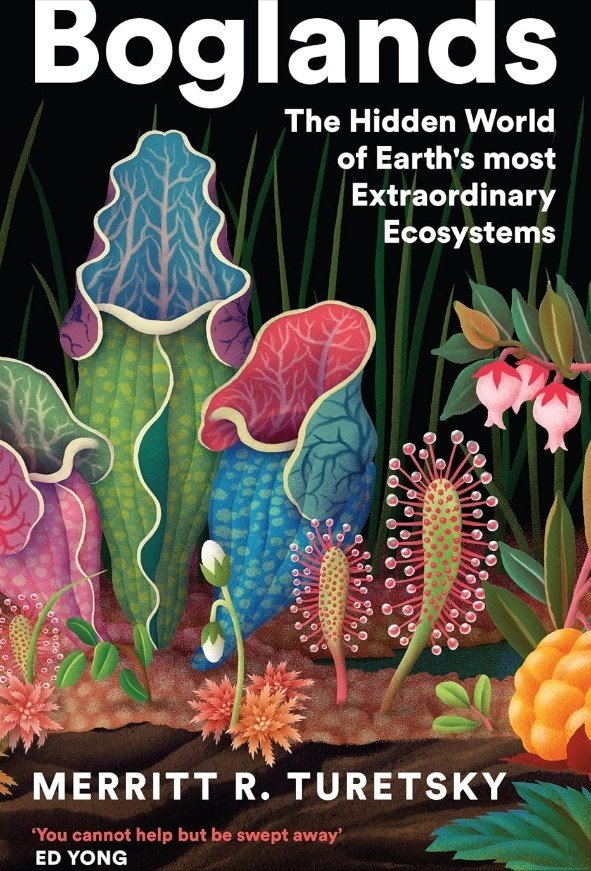
Boglands are formed by waterlogged conditions and a lack of oxygen that slows down plant decomposition, causing organic matter to accumulate as a thick layer of peat. Peatlands occupy only 3% of the planet’s land area, but store about 30% of soil carbon. “In this liminal space, where land is water and water is land,” writes ecologist Merritt Turetsky, “a strange and haunting loveliness reveals itself.” This is not obvious to most people, who often laugh when told that she studies bogs. Such sceptics will be won over by her fascinating book.
The Carbon Wave
Leah C. Stokes MIT Press (2026)
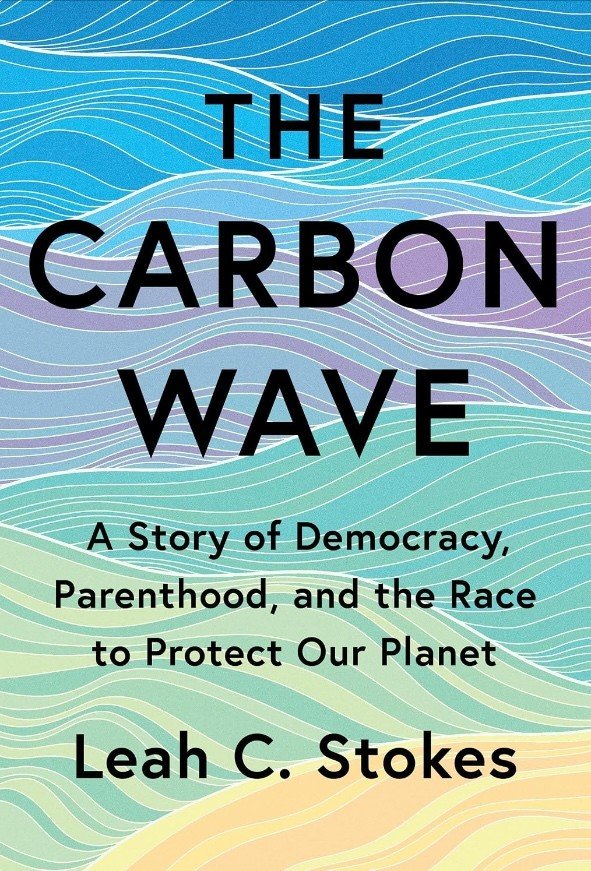
At university, environmentalist Leah Stokes was stirred by the 2006 documentary An Inconvenient Truth, which argued that each of us is responsible for reducing global warming. Only later, as an associate professor in California, did she realize that the chief culprit is fossil-fuel infrastructure. In 2022, Stokes had a major role in pushing the US government to pass landmark legislation, the Inflation Reduction Act, with more than US$400 billion in climate investments. Her absorbing book unpacks “the blow-by-blows of how this climate law was made”.
The Power To Destroy
James K. Galbraith Univ. Chicago Press (2026)
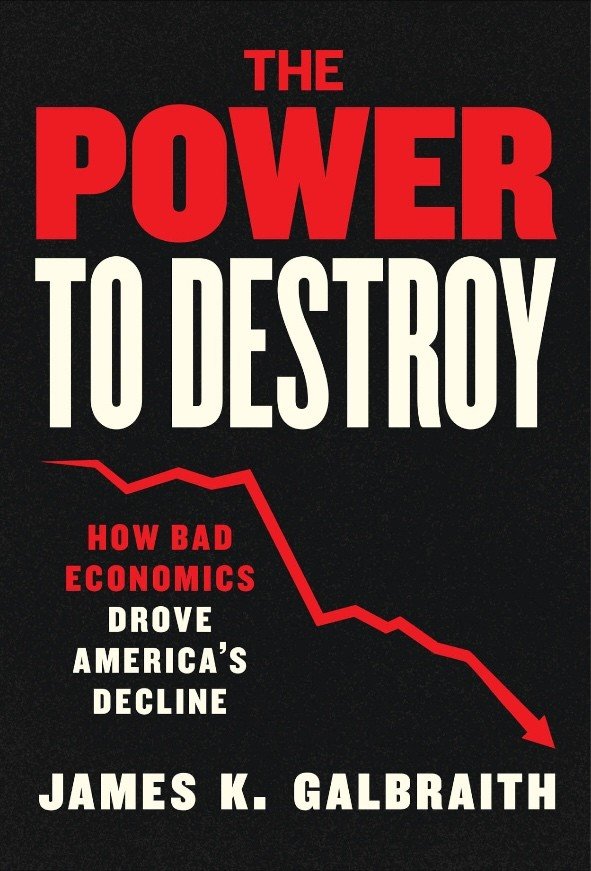
Veteran economist James Galbraith begins his striking attack on mainstream economics in the United States by declaring that his academic discipline has long been a “fraud”. For decades, economists have embraced the idea that “power over money should be kept far from democratic politics”. And yet, oligarchs from finance, technology, pharmaceuticals and several other fields now hold political power. Economists, he argues, continue to deploy outdated tools from a century ago, which are weakening democracy.
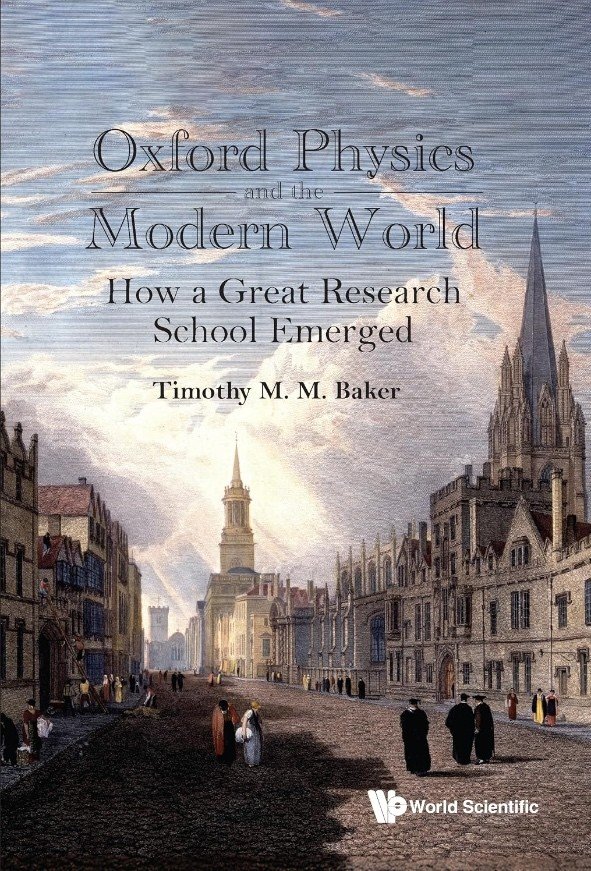
Oxford Physics and the Modern World
Timothy M. M. Baker World Scientific (2026)
For more tech updates, stay tuned to our blog.