There are a handful of things Apple’s iPhone Duo and Samsung’s Galaxy Z Fold 8 have in common. They both feature a passport-size design, two rear cameras and roughly the same battery capacity. They’re also two of my favorite phones I’ve reviewed this year. The compact, book-style configuration feels like the future of foldables, and
There are a handful of things Apple’s iPhone Duo and Samsung’s Galaxy Z Fold 8 have in common. They both feature a passport-size design, two rear cameras and roughly the same battery capacity. They’re also two of my favorite phones I’ve reviewed this year.
The compact, book-style configuration feels like the future of foldables, and Apple and Samsung have each nailed their offerings. Both phones are incredibly versatile, giving you the option to quickly swipe through apps on the palm-sized cover display or open up to a more sprawling 7.6-inch inner screen that’s great for watching videos and multitasking. That innovation comes at a cost, though, with the Duo starting at $1,999 for 256GB and the Z Fold 8 starting at $1,900 for the same storage level.
There are some drawbacks to having a more compact design, namely when it comes to the rear cameras. There’s no telephoto camera on either phone, which can make the high price tags a little harder to swallow. Plus, the wide and ultra-wide cameras aren’t quite as capable as what you’ll get on premium non-folding phones such as the iPhone 18 Pro and Galaxy S26 Ultra, which have more advanced optical zoom capabilities and larger main-camera sensors.
Still, the iPhone Duo’s and Z Fold 8’s cameras are nothing to scoff at. The Duo has a 48-megapixel wide and 48-megapixel ultrawide camera, as well as a 12-megapixel selfie camera on the cover screen and a FaceTime camera on the inner display (Apple hasn’t shared the resolution). Meanwhile, the Z Fold 8 has a 50-megapixel wide and 50-megapixel ultrawide camera, plus 10-megapixel selfie cameras on the cover and inner displays. That means you should still get photos that impress, whether you’re in the brightly lit outdoors or in a dark, moody setting.
To compare the cameras, I took the iPhone Duo and Galaxy Z Fold 8 to Filoli, a historic house and garden in the San Francisco Bay Area. These are some of my favorite shots, highlighting the strengths and unique characteristics of each phone’s cameras.


Both phones do a great job depicting the vibrancy of the lush background, but the iPhone Duo has the edge here. It better preserves the detail in the stone bench and flooring, and the greenery takes on a deeper, more satisfying hue.


These photos turned out very similarly, and both are equally dazzling. But the Z Fold 8 image is slightly sharper, as seen in the lines on the tree bark and the brighter, more pigmented greenery and flora. So I’m giving this one to the Z Fold 8.


These portrait images highlight some of the key differences in color and tone between the iPhone Duo and Galaxy Z Fold 8. I prefer the richer blacks and more vibrant colors captured by the iPhone Duo. It also does a better job of keeping the raven in focus, allowing the bird to stand out more distinctly against the background and creating a more striking overall image. By comparison, the Z Fold 8 produces a softer, gentler look, with a more subdued overall tone.
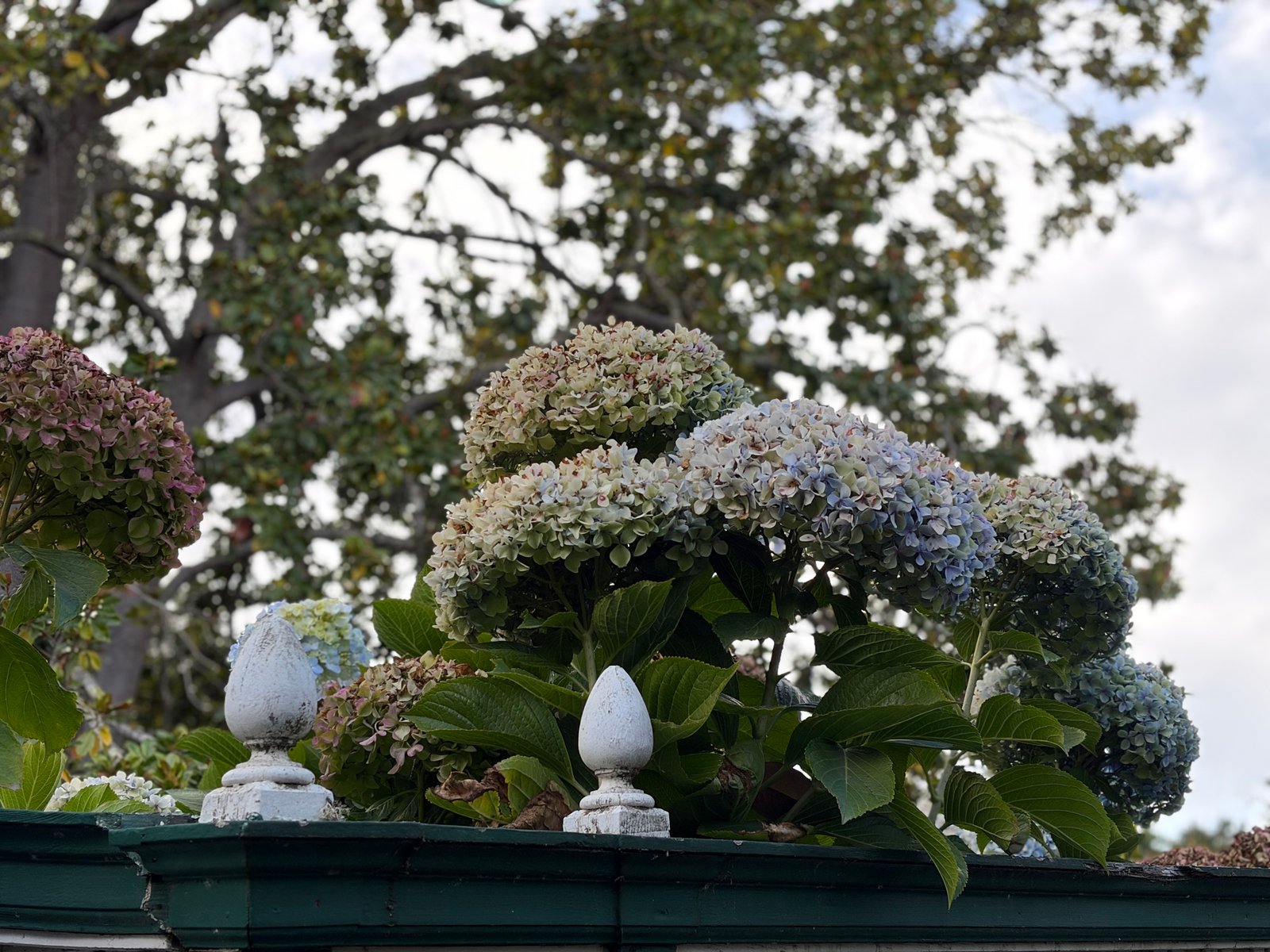

I like the brightness of the iPhone Duo image, and while the Z Fold 8 shot has slightly deeper shadows, the hydrangeas are also more vibrant. The blues and greens pop more on the Z Fold 8, as does the sky, which is a little washed out on the Duo. So this one goes to the Z Fold 8.


I keep flipping on this one, but ultimately, the richer colors and texture on the Duo image have won me over. The iPhone’s camera tends to cast a warmer glow, as you can see in the stone benches, while the Z Fold 8 takes on a more neutral tone. In the end, the differences are subtle and a matter of personal preference.


And finally, here’s me unwinding with a book. By default, the iPhone Duo applies a pleasing background blur, which I appreciate for the added dramatic effect. (This effect can be disabled when taking a photo, but I rarely choose to do so.) The Z Fold 8, by comparison, keeps the distant lawns and forested hills in sharper focus, preserving those details remarkably well. Ultimately, I prefer the Duo’s approach, which keeps the book in sharper focus and makes it stand out from the background. That said, I do appreciate the Z Fold 8’s ability to capture finer details throughout the scene, particularly the crisp individual blades of grass.
Final thoughts: Which camera is better?
Because I’m a fan of both the iPhone Duo and the Galaxy Z Fold 8, it’s difficult to wholeheartedly recommend one camera over the other. Each has its strengths, and there are moments where one preserves detail and color better than the other.
In general, photos from the iPhone Duo tend to have warmer tones and richer, deeper colors, which can also lead to more pronounced shadows. Meanwhile, the Galaxy Z Fold 8 often produces brighter images, though this can sometimes come at the expense of finer details. But these results can vary depending on factors such as lighting and angles.
Ultimately, both foldable phones deliver impressive results, and the choice comes down to which image characteristics you value most. Thankfully, you really can’t go wrong with either.

See full bio
For more tech updates, stay tuned to our blog.