Imagine patiently waiting for the special-edition Legend of Zelda Nintendo Switch 2 console or the new iPhone Duo to be delivered to your door — only for it to disappear seconds after arrival. That’s the risky reality we’re facing this holiday season because of porch pirates. Online holiday shopping has become the go-to way for
Imagine patiently waiting for the special-edition Legend of Zelda Nintendo Switch 2 console or the new iPhone Duo to be delivered to your door — only for it to disappear seconds after arrival. That’s the risky reality we’re facing this holiday season because of porch pirates.
Online holiday shopping has become the go-to way for many US adults to conveniently find, compare and buy must-have gifts. But leaving those pricey gifts at your door gives thieves a better chance of snagging them in seconds if you don’t have a plan to store them out of sight.
CNET’s annual package theft survey polls US adults about their experiences with porch pirates and how they try to prevent it. This year, the average package value is close to $300, and 28% of US adults have had a package stolen, know someone who has or caught an attempted theft within the past year. Yet 20% of US adults don’t use security devices due to hardware costs or monthly subscription fees.
But leaving your packages unguarded could be a big risk — especially during the holidays. On the other hand, bad actors have been caught in the act on home security cameras. Is it really enough to deter bad actors, and what more can you do to protect your deliveries?
CNET’s 2026 porch theft key findings
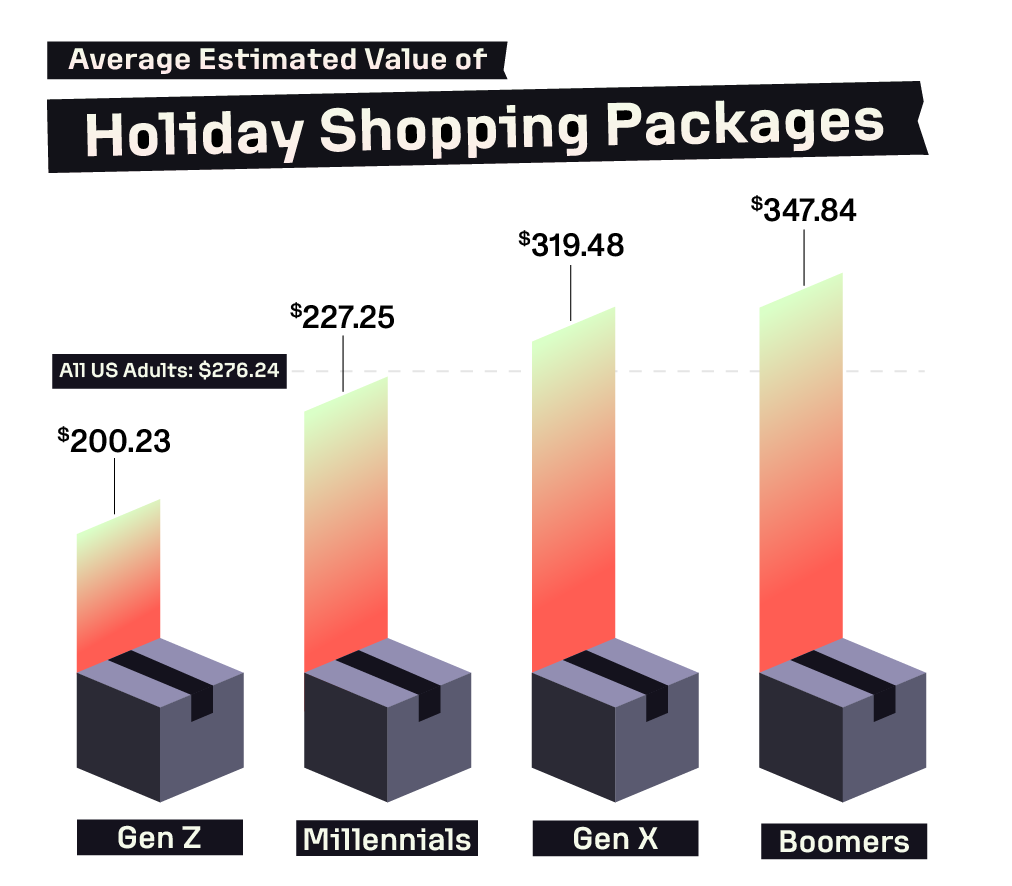
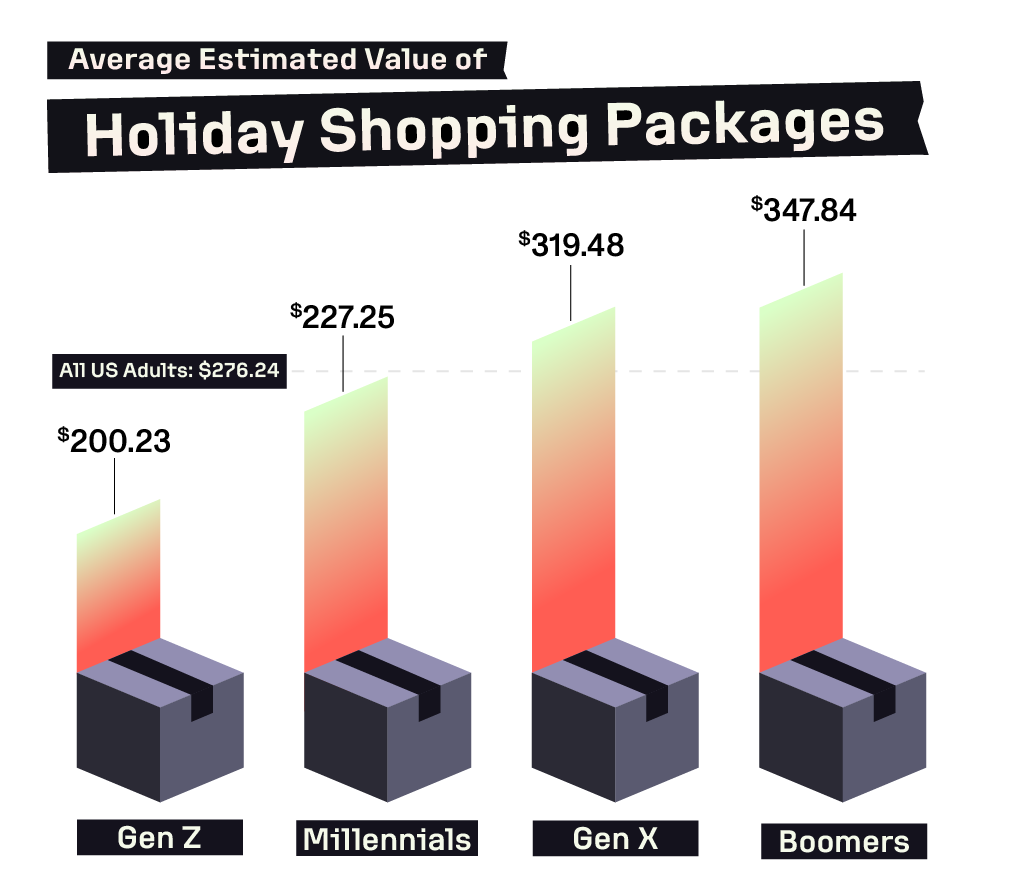
- US adults expect an average of $276.24 in holiday package values to be delivered this season. That’s $23.82 less than CNET’s porch theft findings last year, which estimated an average of $300.06.
- Over one in four (28%) have had a package taken from their porch within the past year, caught an attempted theft or know someone who has.
- With holiday shopping in full swing, 11% of US adults have had a package stolen within the past year.
- One in five (20%) don’t use security cameras due to hardware and subscription costs.
- Among victims of package theft in the past year, nearly half (46%) lost tech products or accessories.
Most adults haven’t experienced package theft — yet
CNET’s findings show that some US adults have dealt with porch theft firsthand: 8% had packages meant for themselves or their households stolen within the past year, and 5% had a delivered gift stolen. Very few (1%) caught a theft in the act on a video doorbell or security camera.
Meanwhile, many US adults know someone who fell victim to package theft — 13% know a neighbor or community member who had a package stolen within the past year, and 12% know someone who doesn’t live in their community who has.
“Close to a third of our respondents are personally acquainted with package theft, which is still a high number compared to other issues like break-ins,” said CNET’s senior home security editor, Tyler Lacoma. “Thieves generally look for crimes of opportunity, and few things are easier than a package left on a doorstep, especially if nobody is home.”
Surprisingly, most US adults (72%) haven’t experienced package theft or know anyone who has.
Even though the percentages above may seem low, Lacoma said that package theft typically increases during the holidays when thieves know more deliveries are likely, and new porch theft tactics are always on the horizon.
There are reports of thieves trying Wi-Fi jamming to disable live security camera footage while they steal packages. And findings show that some are installing spy cams in high-value neighborhoods to learn your home’s layout and habits to take your packages shortly after they’re delivered. In recent years, pirates have even tracked shipping labels for high-value tech, like iPhones, to steal the package within minutes of arrival.
So while the majority of US adults haven’t fallen victim, that shouldn’t be a sign to shrug off the concern or relax your home security measures. Instead, now’s the time to plan how to safely store your packages if they’re delivered while you’re away.
The average holiday package delivery value is $276.24
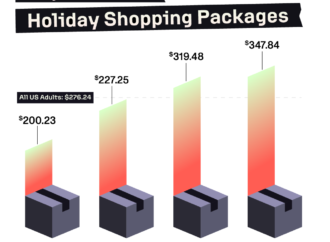
Online shopping and deliveries to your door can be a convenient way to check off holiday wish lists, but the average package value this holiday season is less than last year. CNET found that US adults plan to have an average of $276.24 in holiday packages delivered during this holiday season. That’s $23.82 less than last year’s average of $300.06.
By generation, Millennials also have a lower estimated average package value than last year, with an average of $227.25, compared to their 2025 package value of $307.47 — an $80.22 difference, while Gen Z’s package value is only about $7 less than last year. But any package’s value is still worth taking precautions to help prevent it from being stolen.
 Cole Kan / CNET
Lacoma has thoughts on why that might be. In short, lower spending could mean fewer packages.
“I wonder if people have also simply gotten fewer packages in general this year due to tariffs, inflation and tech prices. That could pull these numbers down,” said Lacoma. But there’s a high chance that could be the case considering CNET’s 2026 annual holiday survey, which found that US adult tech spending is down to $808 — which is $123 less than last year’s average of $931.
What are porch pirates stealing?
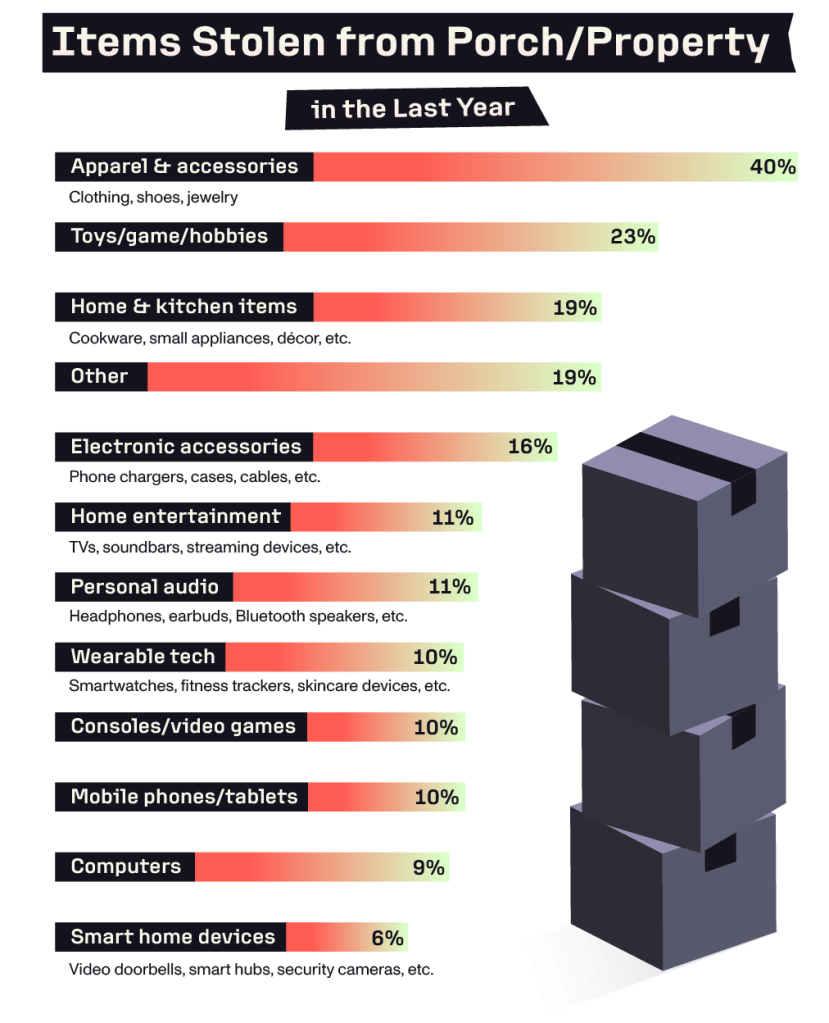
Thieves may not always know what’s in boxes they’re stealing but they’re willing to take a chance. We asked US adults which items were stolen in package thefts in the past year to give you a sense of what’s at risk.
Among the items stolen, apparel and accessories were the most common goods stolen (40%). That’s followed by toys and games (23%). Then there are everyday home basics, like decor, cookware and small appliances (19%).
But personal tech devices and accessories are still among the items stolen. Small accessories like phone chargers and cases are most common (16%) among tech-related packages stolen. They are followed by audio gadgets like headphones and Bluetooth speakers, along with streaming devices and soundbars (11%, respectively).
Still, more costly tech like gaming consoles (10%), computers and laptops (9%) and smart home devices (6%) are among devices stolen.
 Cole Kan / CNET
You shouldn’t leave your packages up to chance. That’s why Lacoma recommends a few safer options to ensure your packages are stored securely after they’re delivered, even beyond keeping an eye on your doorbell or security camera. Instead, keep your packages out of sight with tactics like a delivery box with a code or key or ask for an in-garage delivery.
“Delivery boxes have reached a new level of popularity in recent years as an effective way to stop porch pirates completely. However, Amazon’s Key service that delivers to your garage is an alternative,” said Lacoma. “Either way, you’ll need to trust delivery people to handle your shipments, unless you want to arrange for pickup at a nearby shipping center, which some people like to combine with other holiday errands.”
If you don’t want to install a new security feature, try scheduling your packages to arrive when you know you’re home, requiring a signature from someone you trust or changing your delivery location to a pickup spot, like UPS’ Hold for Pick-Up locations or Amazon Lockers.
How US adults really feel about home security tech
Home surveillance, like outdoor security cameras and video doorbells, can deter package thieves who don’t want to risk getting caught on camera. But US adults have mixed feelings about their effectiveness in protecting against package theft.
There are two deterrents that are keeping US adults from having security devices — cost and privacy. Findings show that 20% of US adults lack home security measures due to hardware costs or monthly subscription fees. That’s followed by 9% who don’t want to use cameras because of privacy concerns.
“Fortunately, the right home security picks can solve both these problems,” said Lacoma. “Brands like Tapo, Eufy, Aqara and even Google Nest offer package detection and alerts for free, so you don’t have to worry about extra fees.”
Lacoma added that many companies also offer ways to use local video storage and local AI detection so nothing is stored in the cloud. There are also features, such as customizable privacy zones, to minimize privacy concerns when used with the right precautions.
Among all US adults, only 14% have security devices with a monthly subscription that lets them save or playback video. By comparison, 12% have security devices but no subscription.
Those percentages could be low for a few reasons, including the overall perception of how helpful surveillance and security really are against porch theft. Eleven percent of US adults don’t think security devices deter porch thefts. It’s a valid concern since 4% fell victim to package theft or an attempted theft despite having security devices. And some US adults (9%) use security devices to get proof of a theft after the fact — not to prevent it.
But that doesn’t mean you should ignore the possibility of package theft — especially during the holidays. Even if you don’t want to install cameras or new security devices, make a plan to protect your packages and avoid the headache of package theft over the holidays.
“Remember, the simple presence of a security camera is enough to make many thieves look elsewhere – interviews have confirmed it,” said Lacoma. “And with today’s phone alerts about package detection, you can usually check on a package only seconds after it appears, or bring up footage if it unexpectedly vanishes, letting you take action fast. New practices like delivery boxes or in-garage delivery help address risks in concrete ways, too.”
Methodology
CNET commissioned YouGov Plc to conduct the survey. All figures, unless otherwise stated, are from YouGov Plc. The total sample size was 2,016 adults. Fieldwork was undertaken between Oct. 23–27, 2026. The survey was carried out online. The figures have been weighted and are representative of all US adults (aged 18 plus).
The $75 billion figure was calculated by multiplying the average value of deliveries each US adult expects to receive by the 2025 US population of adults ages 18 and over calculated by the US Census Bureau.

See full bio
Keep following us for the latest insights.