Welcome to Kernel Panic!, a weekly newsletter by Lily Hay Newman and Matt Burgess from inside the new world of privacy and digital security. To receive this newsletter in your inbox each week, sign up here. Meta’s new personal assistant, Muse, has become a viral hit, with millions downloading the AI agent, connecting it to
Yesterday, I spent the morning at OpenAI’s annual DevDay, where over 2,500 nerds discussed building software and marveled at the latest artificial intelligence models. The biggest reveal of the day was Dots, the company’s new, always-on agents that proactively help complete tasks and make autonomous decisions as they scour the web. After watching the sometimes
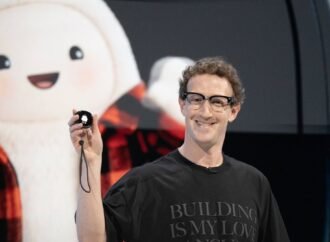
Meta’s Muse mascot is named Jolly. It’s an adorable, cuddly representation of Meta’s AI agent that you can dress however you want—like a doll. At the company’s recent Meta Connect event, CEO Mark Zuckerberg’s furry Muse donned a toga and laurel wreath. In Instagram ads I saw for Muse, the mascot wore exercise gear and
One of the first things I did when I left my full-time job at WIRED was give Claude Cowork access to my email and calendar. After reporting on artificial intelligence for years, I was curious about what the technology could do for me. I had imagined Cowork as a hyper-capable digital assistant, but was let
Jesse Lyu doesn’t think the Rabbit R1 was a flop. Lyu’s gadget was among the first in the gold rush to create dedicated AI hardware that acted as a virtual assistant. You could speak into the R1 and ask it to complete tasks for you—book an Uber; order food on DoorDash. After a buzzy launch
“I do see this as a continued trajectory of their main business model of controlling what people see, putting ads in front of them, and collecting more data,” Mir says. It’s definitely rational to be anxious about handing over your credit card to an agent. Even if you could trust these AI tools wouldn’t be