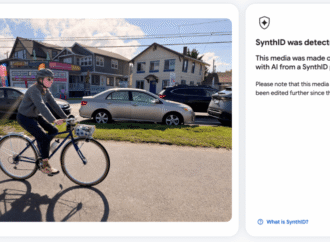
AI slop is getting so good that it’s not always easy to distinguish a photorealistic forgery from a real photo. It’s no longer as easy as looking for the six-fingered renderings of just a year ago. Beyond looking for subtle clues, spotting AI images often comes down to a gut feeling that something simply looks
After months of delays, Google is gearing up to get back in the AI game. The company on Wednesday announced its newest frontier model, called Gemini 4 Argon. But you won’t be able to use it yet. Here’s why. A lot has changed in the 10 months since Google released Gemini 3 — and crushed
Guided Vision is launching in Gemini Live on compatible Android devices today to use AI to give real-time audio descriptions of anything you point your phone’s camera at. By sharing your camera in Gemini Live, you can have Google’s AI help with things like reading small text, describing your surroundings, finding or identifying objects around
Google on Thursday announced an expansion of its mobile Gemini AI capabilities, a new agentic feature built to handle everyday phone calls for you. Introverts of the world, rejoice — but also pay attention to the fine print, because there are limits to what Gemini can do for you. This technology, which starts with a
Voice assistants handling phone calls is a little more accepted today than back in the Duplex days. Call screening features abound—whether on a Pixel, Samsung, or iPhone, onboard assistants routinely intercept unknown callers to ask why they’re calling. But these kinds of features—much like hyped-up AI translation features—can often fall short. Calls are unpredictable, and
Platforms like YouTube have used machine learning tech for years to build your social media feeds. Now, in the age of generative AI, YouTube is building on that technological foundation and introducing a new way to use AI to build custom video feeds, the company announced at Made on YouTube on Wednesday. You will soon