The era of generative AI has upended technology supply chains, and there is one ironclad rule in 2026: If it has memory or storage, it’s getting more expensive. Even devices with years-old tech inside are still apparently subject to that unwritten rule. Nvidia has just announced that the Shield TV Pro is getting $100 more
Cargo pirates, perhaps in search of precious AI loot, found a completely different kind of booty after stealing two trailers from an autonomous trucking company: sand, and lots of it. The trucking company, PlusAI, confirmed two trailers were stolen last week from its Fremont, California warehouse, including one with Nvidia branding on it. While PlusAI
If there was one thing that was obvious this from Meta Connect this year, it’s that the social media giant is all-in on its burgeoning line of smart glasses. Indeed, the glasses were pretty much everywhere at the annual event, where Meta shows off its newest hardware and AI products. Both Meta staff and the
Apple is in the process of developing a new screen-less fitness tracker that would put it into competition with Whoop — the fitness tech firm whose valuation recently crested $10 billion. Bloomberg reports that the iPhone maker is currently engaged in a “technology investigation” — which, just as it sounds, is an exploratory effort to
Jesse Lyu doesn’t think the Rabbit R1 was a flop. Lyu’s gadget was among the first in the gold rush to create dedicated AI hardware that acted as a virtual assistant. You could speak into the R1 and ask it to complete tasks for you—book an Uber; order food on DoorDash. After a buzzy launch
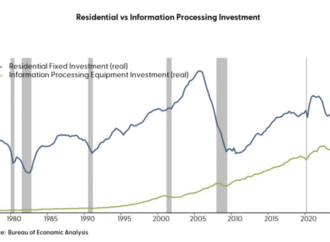
Two decades after the housing boom reshaped, then tanked, the U.S. economy, the AI boom is similarly transforming the drivers of growth. Hyperscalers have poured so much money into building as much AI infrastructure as possible—and as quickly as possible—that investment from a handful of companies is expected to reach $1 trillion a year soon.