When an OpenAI researcher told company president Greg Brockman about “a hack to get around nytimes paywall,” Brockman replied, “ah nice,” according to newly unsealed court filings in The New York Times’ copyright case against OpenAI and Microsoft. The exchange is jarring. But it also reveals something about the AI economy to come: machines are becoming
After images that users uploaded to OpenAI models were included in training data, AI agents operating in the company’s research environment posted them on public image hosting sites. Fifty-three “user-provided images” were “posted to image-hosting sites as links that weren’t publicly listed,” the company said for the first time. The images could still be discovered
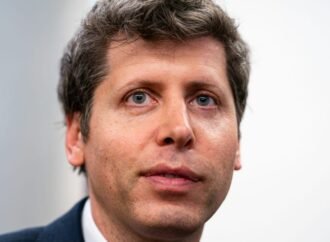
Sam Altman is not dead, contrary to what a Google result earlier today may have told you. Early Wednesday, users on X and Reddit pointed out that the Google search result for the OpenAI CEO’s name said he had died that same day. Google acknowledged the incorrect result several hours later. “Thanks for flagging –
Back at Yebra’s centre, the team’s work is particularly timely with weather forecasters predicting a super El Nino this summer – which could increase the probability of extreme heat, drought and bushfires. “Our next fire season is looking like it’s going to be a bad one,” Yebra says. That concern is shared by Jason Heffernan,
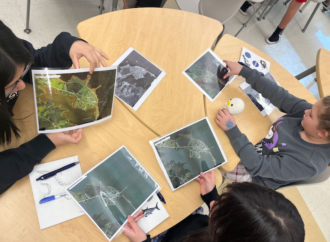
Story by Keri Moskowitz, Gulf of Maine Research Institute For the Pleasant Point Passamaquoddy Reserve, or Sipayik, the ocean has always been a teacher. Located in what is known as Downeast Maine, along the shores of Passamaquoddy Bay, generations of indigenous people have lived along the coast, learning from the tides, the land, and their