Celebrating its 30th anniversary this year, Portugal’s preeminent Queer Lisboa – International Queer Film Festival kicked off Friday with a vast program showcasing the latest in LGBTQ cinema, from established filmmakers to new voices, and a look back at the underground counterculture and revolutionary works of activist filmmakers on both sides of the Atlantic. Lisbon’s
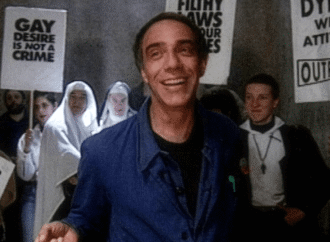
Consider, for a moment, the cupboard — maybe in the spirit of irreverence we should term it a closet — in which, for 30-odd years, lay undisturbed the footage that future star cinematographer Seamus McGarvey (“Atonement,” “Die, My Love”) shot behind the scenes of Derek Jarman‘s 1991 movie “Edward II”. Consider then, the opening of
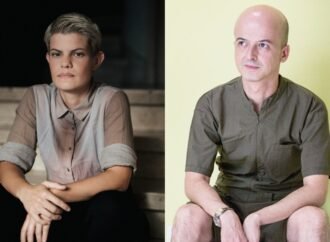
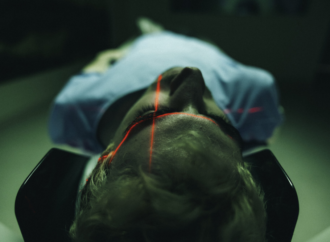
As they worked on their long-gestating first feature, “London,” Brazilian filmmakers Victor Di Marco and Márcio Picoli dove headfirst into cinematic portrayals of disability. What they found was frustrating: often infantilized and overreliant characters in condescending stories that looked at disability as “punishment” or something that “needed fixing.” Their Venice Critics’ Week character study sets
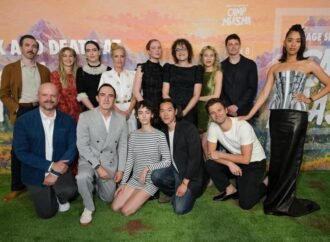
Hannah Einbinder is optimistic about the future of queer cinema after starring in writer/director Jane Schoenbrun‘s latest film, “Teenage Sex and Death at Camp Miasma.” “I hope that with the hopeful success of films like this, that [Hollywood] is able to trust queer filmmakers and showrunners more,” Einbinder told Variety at the U.S. premiere of
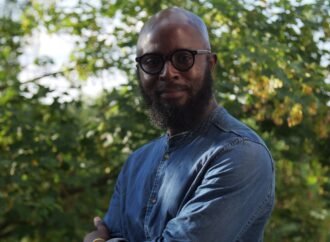
“My Father’s Kora” (“La Kora de Mon Père”), a Benin-Switzerland-Germany production, will have its world premiere Aug. 9 at Locarno’s Open Doors section, which has focused on 42 countries of the African continent since 2025. The film follows Souleymane Everston Adowo Freudenreich, an Afro-German trans man who travels to Dakar, Senegal, to repair his father’s
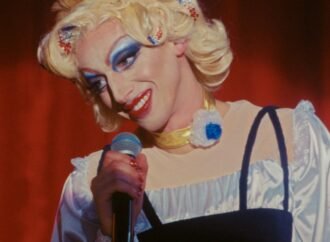
A drag queen opens up to her small-town mother, but all hell doesn’t break loose in Šimon Holý’s heartfelt and enjoyable film, “Czech Girl.” The film screens Saturday in the Karlovy Vary Film Festival’s Crystal Globe competition. Holý, who wrote, directed and scored the film, spent “seven or eight years” with “Czech Girl,” developing the