Governments have long warned against paying a hacker’s ransom demands, arguing that doing so only allows criminals to profit from their cyberattacks and fund the next one. There’s another reason, too: hackers are unlikely to leave you alone if you pay once, and many will come back demanding more. In a report released Wednesday, cybersecurity
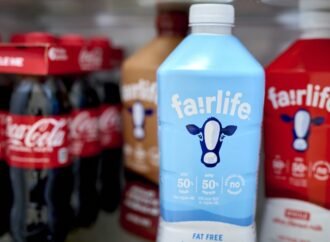
US beverage maker Coca-Cola said one of its dairy subsidiaries was hacked and will close operations for the foreseeable future. The multinational giant said in a disclosure to the US Securities and Exchange Commission that its dairy company Fairlife was attacked by ransomware and its production systems were affected. The company said its Fairlife production
Angelo Martino, a Florida man, has been sentenced to more than five years in prison for conspiring with hackers to deploy ransomware during his work as a ransomware negotiator for a US cybersecurity company. The US Department of Justice confirmed the ruling on Thursday, noting that the government seized more than $10 million in cryptocurrencies
Offering a rare glimpse into the priorities of a top spy organization, Canada’s Communications Security Establishment (CSE) said it carried out a handful of state-sanctioned attacks last year to disrupt the operations of drug traffickers, violent extremists and a ransomware gang. The revelations in the Canadian intelligence agency’s annual report highlight some of the major
Last week, researchers at cloud security firm Sysdig said they had documented the first known case of “agent ransomware.” It was an extortion operation, called JadePuffer, in which an AI agent (not a human) handled the technical execution of a real-world cyberattack from start to finish. The agent broke into a vulnerable server, stole credentials,