Konstantin Toropin, Cara Anna and Ben Finley Updated August 31, 2026 — 9:49am,first published 7:06am Save You have reached your maximum number of saved items. Remove items from your saved list to add more. AAA Washington: US forces struck Iranian rocket launchers on the Strait of Hormuz in the first military action in a month,
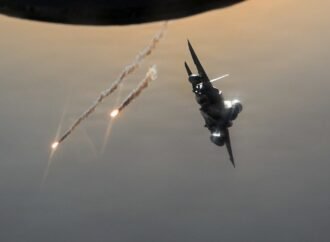
U.S. forces struck Iranian rocket launchers on the Strait of Hormuz in the first military action in a month on Sunday, according to a U.S. official, breaking a lull in fighting during an intermittent war that has lasted more than six months. Forces with the Revolutionary Guard Corps were observed preparing to launch rockets with sea mines
A SpaceX rocket has made an unexpected appearance off Christmas Island after touching down in the Indian Ocean following a test flight from Texas on 24 July. David Watchorn, chair of the Christmas Island Tourism Association said he initially thought he was looking at ships on his way to work, before realising it was “a
India’s Panorama Studios, the producer behind the Bollywood “Drishyam” franchise, has invested in Indian original stories vertical platform Rocket Reels, fueling the platform’s next phase of growth and global expansion. Panorama Studios is chaired by veteran film producer Kumar Mangat Pathak and led by filmmaker and managing director Abhishek Pathak. The studio has built a
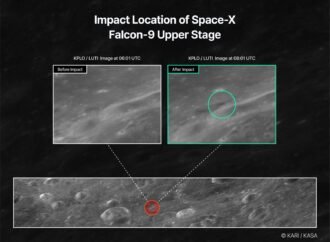
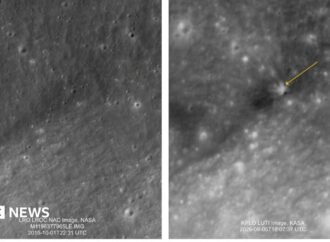
The first images of a SpaceX Falcon 9 rocket stage impact on the moon’s surface have emerged. The Korea Aerospace Research Institute shared the first photographs captured by its lunar orbiter. South Korea is one of the few nations that currently has satellites traveling around the moon at an altitude of 62 miles (100 kilometers)
This Falcon 9 was in orbit since January last year, when it blasted off from Florida. The same booster section from the January 2025 mission is due to set off on its 18th flight on 10 August. SpaceX says the mission hopes to launch 29 Starlink satellites to low-Earth orbit. The rocket that blasted from