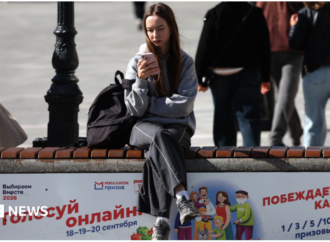
Ahead of the final day of this three-day election, Ukraine launched a large-scale drone attack on the Moscow area. Three people were killed in Moscow Region, while in the capital the city’s oil refinery was hit. At a polling station near the oil refinery, I spoke to voters about the attack. There was no sense
US President Donald Trump has signed a sweeping sanctions bill, taking aim at Russia’s economy by punishing major purchasers of its oil and gas. The bill, passed by the US House of Representatives earlier this week, gives Trump broad powers to levy tariffs of up to 100% on the top five purchasers of Russian oil
For much of Russia’s full-scale invasion of Ukraine, Daria was not afraid of the shelling. Even on nights of heavy bombardment, the 27-year-old could sleep through the explosions in her apartment in Kyiv. Like many Ukrainians, she relied on the “two-wall rule”: staying safe by keeping two walls between herself and the outside world. But
“All parties in the Duma, every single one, voted in favour of 170 laws to support the special military operation,” Communist Party leader Gennady Zyuganov told me with obvious pride about the last parliament. “In that sense there is 100% agreement in the Duma.” I caught up with Zyuganov on the campaign trail outside Moscow
De Croo, a former prime minister of Belgium, told the BBC: “This winter is going to be the toughest one since the war”. He said Ukraine started “from a very weak base going into this winter”. He added the UN were “very, very worried… about what this winter could become.” The concerns are driven by
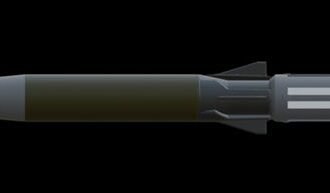
Ukraine’s main military intelligence agency published a breakdown of Russia’s Zircon missile, a weapon Moscow has increasingly employed in its intensifying strikes. Russia has been investing heavily in advancing its missile arsenal, upgrading systems and making them harder for air defenses to intercept. That reaction to Ukrainian air-defense wins now represents a major challenge as