VIDEO REVIEW: Tesla Model Y L: The 6-seater variant of the popular electric SUV arrives in Australia
- AI, ai coding assistant, AI regulation, Artificial Intelligence, openai, Reviews, Tech, Technology, Tesla, Vehicles
- March 29, 2026

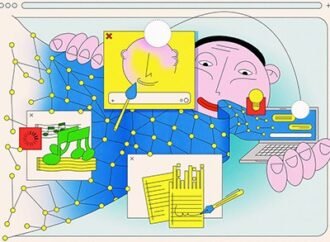
Zhivar Sourati often gets déjà vu while perusing recent research in his field of computer science. “I read papers and I’m like, ‘I’ve seen this paper before,’” he says. Everything’s looking kind of the same, shorn of individual quirks, says Sourati, who is a PhD student at the University of Southern California in Los Angeles.
READ MORE
Every week, it seems, a fresh opinion poll leads to shocking headlines: never have people been more afraid of the future, believed that their children won’t be as well off as them, or thought that their country is going in the wrong direction. Feelings of gloom about what lies ahead are particularly rife in the
READ MORE
Under a legal settlement, teenagers in the United States will have time limits put on their use of certain social-media platforms. Credit: Anna Barclay/Getty Social-media giant Meta has agreed to pay up to US$18 billion to US states and make changes to its Facebook and Instagram platforms, settling a legal case about whether its technology
READ MORE
Artificial intelligence is reshaping the world in front of our eyes. The concerns around AI, however, extend beyond the uncertainty and disruption that accompany any other radical technological change. They stem in part from the direction AI development has taken: many leading companies are engaged in a single-minded pursuit of artificial general intelligence (AGI). Why
READ MORE
Girls return home from school in Fayzabad, Afghanistan. Girls are allowed to go to primary school until they are 11 or 12 years old, but are barred from secondary school and university.Credit: Omer Abrar/AFP/Getty This week marks five years since the Taliban marched back into Afghanistan’s capital, Kabul. It is nearly four years since girls
READ MORE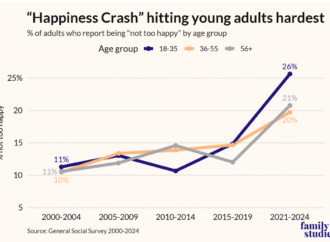
For nearly 50 years, one number barely moved. Every year or two, the General Social Survey asks Americans how happy they are, and for decades the balance between “very happy” and “not too happy” held steady, from 1972 through 2018. But as soon as the pandemic hit, it came cratering down. Sam Peltzman, an economist
READ MORE