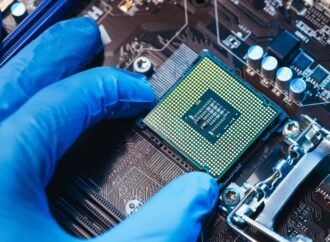
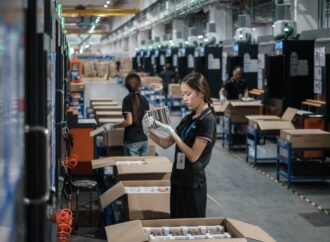
Southeast Asia is riding an investment boom, as a surge in chip exports pushes economies like Vietnam and the Philippines up the World Bank’s income ladder, as defined by the World Bank. Two forces are driving this surge: the AI wave and an intensifying rivalry between Washington and Beijing that has companies scrambling to diversify
U.S. robotaxi operator Waymo is breaking into a new market. After unveiling roadmaps to bring its self-driving cars to Germany and the United Kingdom, it’s now setting its sights east. On Sept. 18, Waymo announced plans to launch in Singapore by 2028, marking its first entry into Southeast Asia. The announcement came just days after
Anthropic is opening an office in Singapore—its first in Southeast Asia—planting its flag in a market that’s quickly becoming a new battleground for the U.S.’s top AI firms. On Sept. 16, Anthropic announced its expansion to Singapore, making the Southeast Asian city its fifth location in Asia-Pacific, following hubs in Tokyo, Seoul, Bengalaru and Sydney.
Taiwan is on track for its first year of double-digit GDP growth since 2010, thanks to surging demand for AI hardware exports. It’s not the only economy reporting surging growth and export numbers. Japan, Malaysia, Singapore and mainland China all reported over 20% growth in exports in July. Exports from South Korea, home to chipmaking
One in three Singaporean business owners still use their personal bank accounts for their company banking needs, trying to escape high transaction fees, according to a survey from MariBank, a digital bank owned by Southeast Asian tech firm Sea. That creates tax and legal headaches, as business owners find it difficult to deduce their legitimate
In June, the U.S. National Oceanic and Atmospheric Administration warned that there is a 63% chance of a very strong El Niño developing before the end of 2026, potentially rivaling the most severe episodes since records began in 1950. The 1997-98 El Niño, one of the strongest on record, triggered severe floods and droughts across