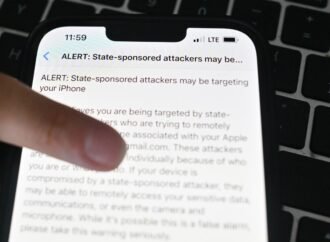
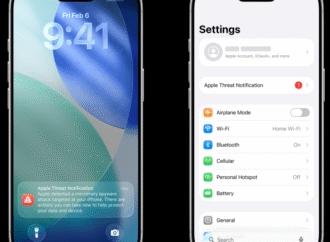
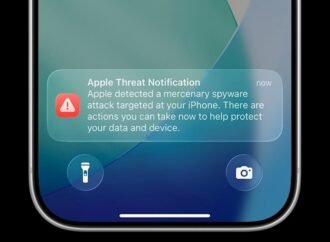
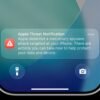
An unprecedented number of Apple customers have reported receiving a recent threat notification alerting them to suspected spyware attacks targeting their devices, according to experts who investigate these types of incidents. Several people publicly and privately reported receiving Apple’s spyware alerts over the weekend, after Apple sent out a new wave of notifications on Friday
If a push notification from Apple pops up on your iPhone, don’t ignore it. It could be the only way you know about a mercenary spyware attack against you. Apple said in a post this week about the warnings that mercenary spyware attacks are “more sophisticated than regular cybercriminal activity” because attackers target specific people
Apple has sent out a new batch of notifications to customers who it suspects have been targeted with spyware capable of hacking into their devices. The tech giant sends out these notifications on occasion to alert its customers that their iPhones, iPads, or Macs might have been compromised with spyware typically used by governments. Apple
Over the past few decades, several mysterious hackers have captured the public’s imagination, but none like Phineas Fisher. A decade after his most famous hack, Phineas remains, by most accounts, the most prolific and public hacker ever caught. As part of our series on the biggest cybersecurity mysteries of all time, we delve into the
The investigation stops short of naming any government that may have used Pegasus against Kouloglou, noting in particular that it found no indication of Greek government involvement. But Citizen Lab says it found overlaps between the attacks on Kouloglou’s phone and the use of Pegasus against seven Russian- and Belarusian-speaking journalists and activists between August
Security researchers have confirmed that a European politician had his phone hacked with Pegasus spyware while he was part of an investigative committee investigating abuses of the notorious surveillance tool. This has reignited a new controversy over the abuse of spyware by governments to gather information on their critics. Researchers at the University of Toronto’s