VIDEO REVIEW: Tesla Model Y L: The 6-seater variant of the popular electric SUV arrives in Australia
- AI, ai coding assistant, AI regulation, Artificial Intelligence, openai, Reviews, Tech, Technology, Tesla, Vehicles
- March 29, 2026


Selena Gomez set out to create “the world’s first mental fitness ecosystem.” Instead, the startup is becoming her own personal headache. A federal lawsuit filed Thursday offers a detailed account of what investors say went wrong at Wondermind — from an app that was never built to major corporate partnerships they allege never existed. Gomez
READ MORE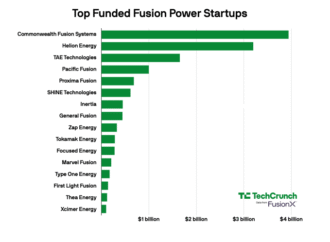
Over the last several years, fusion power has gone from the butt of jokes — always a decade away! — to an increasingly tangible and tantalizing technology that has drawn investors off the sidelines. The technology may be challenging to master and expensive to build today, but fusion promises to harness the nuclear reaction that
READ MORE
Singer and actress Selena Gomez and her mother are being sued over their mental health startup, Wondermind. The plaintiffs in the lawsuit say they invested nearly $1.2 million in the startup, and are accusing Gomez of securities fraud and breach of contract. They allege that the startup failed to deliver on its commitments without informing
READ MORE
Is there an audience for AI-delivered news? Public data says no, and previous attempts to deliver such ventures have yielded many human-written stories about projects that never materialized. And yet Mirage — the AI startup behind the video-editing app Captions that raised $75 million this year and was last valued at $500 million — thinks
READ MORE
Jeff Dean spent 27 years helping build Google. Now, investors could be betting $1 billion that he can build the next big thing in AI outside it. The legendary Google engineer has been in discussions for $1 billion in financing at a valuation of around $10 billion for his new AI startup, Discovery Loop, people
READ MORE
Canva has spent years proving that it can do something many high-growth startups struggle to achieve: grow rapidly while making money. Then came generative AI. The design-software company cut its expected revenue growth rate by a third to 20% after the unexpectedly high cost of delivering AI features prompted it to slow its rollout. Canva
READ MORE