Premiums for Medicare Part D drug coverage could rise next year because subsidies to insurers are about to end. Eric Thayer/Getty Images hide title toggle title Eric Thayer/Getty Images The Trump administration is ending subsidies that helped keep the costs of Medicare drug coverage down. The change could mean higher Medicare Part D premiums for

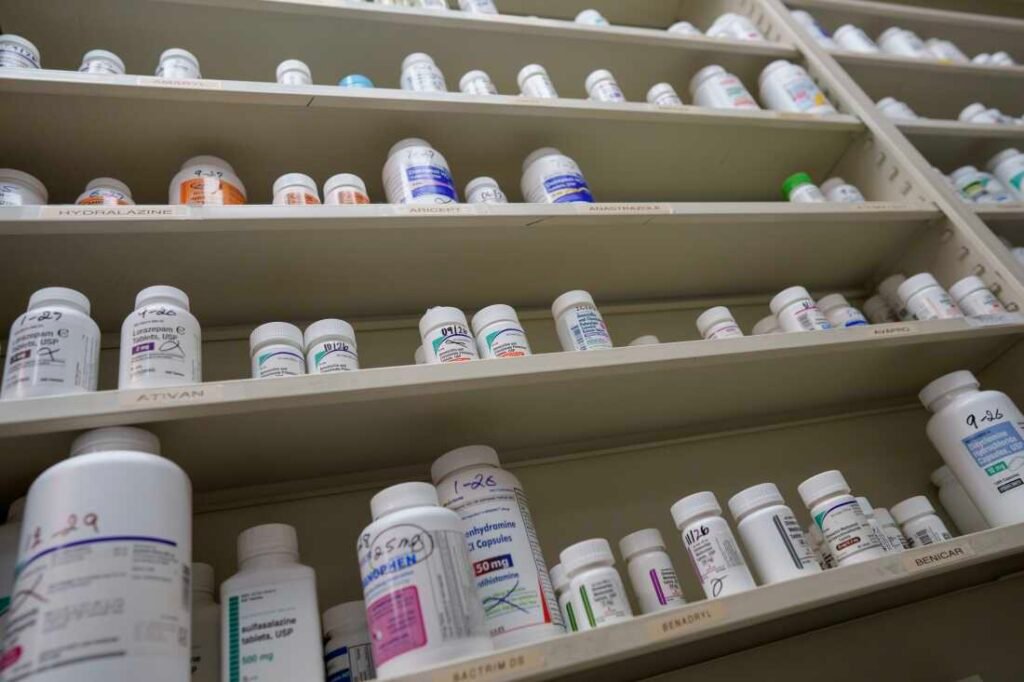
Premiums for Medicare Part D drug coverage could rise next year because subsidies to insurers are about to end.
Eric Thayer/Getty Images
hide title
toggle title
Eric Thayer/Getty Images
The Trump administration is ending subsidies that helped keep the costs of Medicare drug coverage down. The change could mean higher Medicare Part D premiums for millions of beneficiaries in 2027.
Under the Inflation Reduction Act of 2022, Medicare patients’ out-of-pocket drug spending was capped at $2,000 starting in 2025, changing how insurers pay for drugs.

That meant that while seniors would have to pay less at the pharmacy counter and therefore have easier access to expensive prescription drugs, insurers would have to foot more of the bill.
At first, insurers didn’t know how much more they would spend or how high they should set premiums. To ease the transition for insurers, the Biden administration created temporary subsidies to stabilize premiums through what is called a demonstration project.
The subsidies were expected to last until 2027, but will end a year earlier.
Dr. Mehmet Oz, who oversees the Centers for Medicare and Medicaid, made the announcement on social media platform X. “The Biden administration gave BILLIONS of taxpayer money DIRECTLY to big insurance companies,” he wrote. “This is unacceptable.”
CMS estimated the subsidies would cost $9.8 billion in 2025 and 2026, according to a Government Accountability Office report released in February. About 23 million people were enrolled in stand-alone Medicare Part D drug plans in 2025, according to the report.
Oz went on to say that the subsidies are no longer necessary, adding that most people with Medicare will pay less than $10 more in premiums next year.
But it could be more than that, says Juliette Cubanski, vice president and director of the Medicare Policy Program at KFF, the nonpartisan research organization. This year, subsidies reduced the average drug plan premium by $16.
“To some people that may not seem like a lot of money,” he says. “To put it in context, the current average premium for drug coverage through stand-alone plans is $36. So people could have had to pay almost 50% more for drug coverage this year without this demonstration.”
She says until CMS releases more information in the fall, it’s hard to know exactly how much more money seniors will have to spend.
Stacie Dusetzina, a professor of health policy at Vanderbilt University School of Medicine, says that while the subsidies were never meant to be permanent, ending them now is concerning.
The subsidies have been more helpful to stand-alone Medicare drug plans than to Medicare Advantage plans, which have more flexibility to keep premiums low. As a result, eliminating subsidies will hit people with traditional Medicare plans the hardest, he says.
“Project 2025 was pretty forceful in wanting to push more people toward Medicare Advantage,” he says, referring to the Heritage Foundation’s plan for a second Trump presidency. “One way to really speed this up is to make it very expensive to stay in traditional Medicare.”
To avoid higher premiums for drug coverage, patients can abandon traditional Medicare plans and opt for Medicare Advantage plans. While Medicare Advantage may have lower premiums, he says there are trade-offs, including a more limited network of providers and hospitals that accept Medicare Advantage.
“That also requires you to think well in advance about your long-term health needs,” Dusetzina says.
{For more tech updates, stay tuned to our blog.|Keep following us for the latest insights.|Check back often for more exciting news!}