The US has proposed a direct channel with China to notify both governments of major AI-related national security incidents even as their AI rivalry intensifies. Treasury Secretary Scott Bessent said the proposal was made during talks in New York on Sunday with Chinese Vice Premier He Lifeng. Their discussion came ahead of President Donald Trump’s
The US has proposed a direct channel with China to notify both governments of major AI-related national security incidents even as their AI rivalry intensifies.
Treasury Secretary Scott Bessent said the proposal was made during talks in New York on Sunday with Chinese Vice Premier He Lifeng. Their discussion came ahead of President Donald Trump’s summit with Chinese leader Xi Jinping in Washington on Thursday.
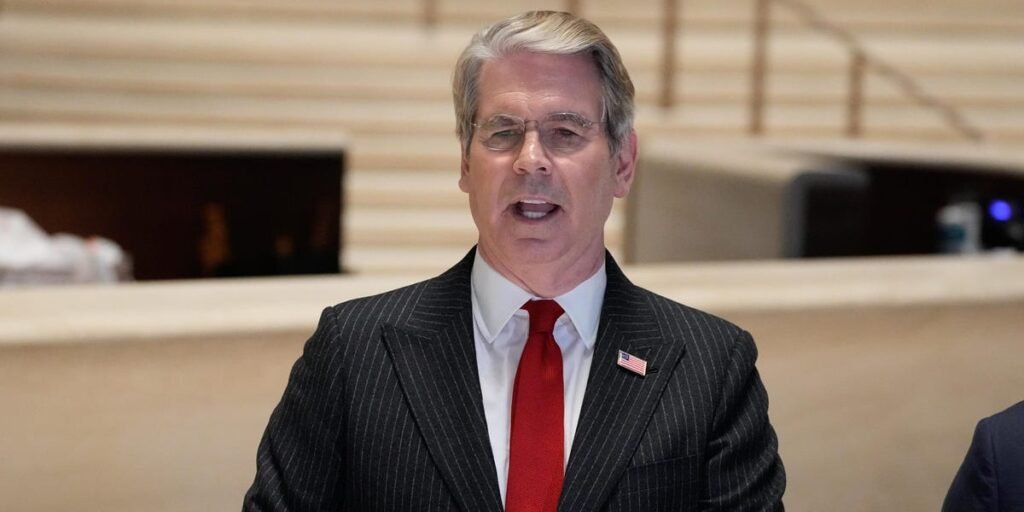
“The US has proposed that we have a notification mechanism between the two countries, and we want a shared vision of common goals and common threats,” Bessent told reporters.
He said the proposal would be part of a new “US-China AI dialogue” focused on national security incidents involving AI.
“We think that, just like with any cross-border activity, that moving from opaque to more transparency between the number one and the number two AI powers in the world is very important,” Bessent said.
The proposal comes amid a broader debate over AI safety. In recent weeks, prominent AI researchers, executives, and some lawmakers have renewed warnings about increasingly capable AI systems, arguing that governments should work together to reduce the risk of catastrophic misuse.
China stopped short of publicly endorsing the proposal. State news agency Xinhua described the talks as “candid, in-depth and constructive” and confirmed the two sides discussed AI, but did not mention the proposed notification mechanism.
US Trade Representative Jamieson Greer said export controls on advanced AI chips and semiconductor manufacturing equipment were not part of the AI discussions.
Instead, he said the talks also advanced work on a separate framework to identify “non-sensitive” goods that could receive different treatment in future trade disputes.
“There is a world where you have a relatively small subset of American and Chinese goods that can be traded in a balanced way, that are non-sensitive, that in the future, as trade actions come up, we can consider them as a class unto themselves,”” Greer said.
The proposal comes as the two countries clash over advanced AI models and semiconductors.
Washington has tightened restrictions on exports of advanced AI chips and chipmaking tools to China, while accusing Chinese AI firms of using leading American models to train competing systems. Beijing denies the allegations.
For more tech updates, stay tuned to our blog.