There was some much overdue optimism on the first day of the Creative Investors’ Conference in San Sebastian on Tuesday, as execs from an established U.S indie distributor and new market entrant both celebrated the record breaking figures from the summer box office. “I think it’s a recovery and I think it’s a phenomenal result,”
There was some much overdue optimism on the first day of the Creative Investors’ Conference in San Sebastian on Tuesday, as execs from an established U.S indie distributor and new market entrant both celebrated the record breaking figures from the summer box office.
“I think it’s a recovery and I think it’s a phenomenal result,” said Elissa Federoff, head of distribution at Neon. “Every year since the pandemic, we have seen growth, and it’s been amazing to watch. I think it’s also really important to reset our stage because, really, we’ve gone through a lot in the U.S. marketplace.”
Federoff argued that major changes in the people’s behaviour — such as rise of streaming, gaming and social platforms — was now proving to be an opportunity to help boost the box office, rather than simply the opposite.
“We’ve seen opportunities for new pathways during this point. We’ve seen the opportunity for the things that maybe we would say have set us back,” she said. “We’ve seen incredible things happen on social platforms, and normally we might say, “Oh, that’s detracting from our theatrical business.’ When in reality, we have seen some of our greatest films this year come from creators from YouTube, and that’s an incredible sensation.”
Federoff suggested that rather than looking at pre-COVID levels all the time, the industry should “set ourselves within the norm and see where we can go from here.”
Further enthusiasm came from Rob Williams, president of Sumerian Pictures, which started operations in mid 2025 and made a high-profile acquisition earlier this year with “Josephine.”
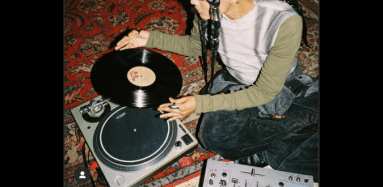
Williams said that, building on the company’s music foundation having been launched by Sumerian Records, it was primed to capitalise on any film with ties to the music space, pointing to its first release “Mile End Kicks.”
“Barbie Ferreira plays a music journalists in her early 20s and there’s great music in the film and lots of songs, we built a really strong social media campaign — and did things that other distributors might not do,” he said. “Josephine,” he noted, might not have music ties, but was “just a great film that we thought we could support and create an audience around.”
In what may be music to the ears of many of the European executives in the audience — although perhaps not the organizers of San Sebastian Film Festival — Adele Romanski of production company Pastel Pictures said that the Cannes Film Festival had become much more important to the U.S. when it came to English language indie films.
“I imagine everyone will roll their eyes at this, but Cannes has become more of a focus,” she said. “Obviously it’s every director’s dream to screen there, but I think from the U.S. perspective, it wasn’t always as important. Distributors were sometimes reluctant to spend the money for a film to go there.”
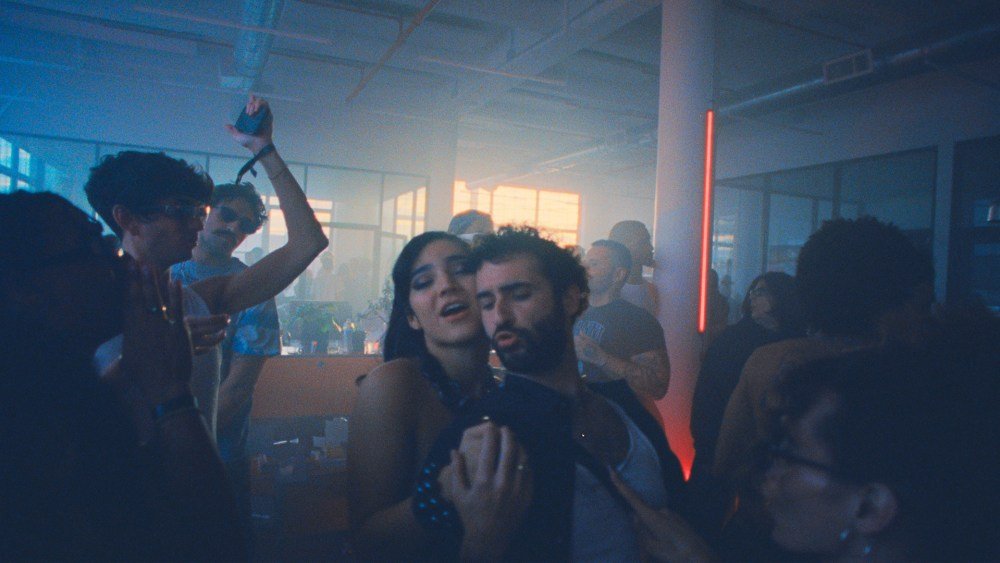
Cannes, of course, is where “Club Kid” premiered earlier this year, sparking a bidding war eventually won by A24 for $17 million.
Romanski said she was now thinking a “lot differently” when it came to taking debuts or second features from directors to Cannes and putting more value on the international market. “Because that’s where we’re actually seeing opportunity in terms of theatrical and support and financing. So that’s like a little bit of a shift. We’re really thinking that’s the right pace to center some of the talent that we’re working with.”
Federoff at Neon, which has won seven consecutive Palm d’Ors in Cannes, including the current holder “Fjord,” underlined how the “global landscape” was “more important today than ever before.”
Check back often for more exciting news!