Aluminum has left an indelible mark on the world: more than 3 billion tons of red sludge, a waste product of the refining process, are currently stored in open-air ponds or mounds. But for Sumedh Gostu, co-founder and CEO of Fast Metals, there is a treasure in caustic waste. “It’s a very rich resource,” he
Aluminum has left an indelible mark on the world: more than 3 billion tons of red sludge, a waste product of the refining process, are currently stored in open-air ponds or mounds. But for Sumedh Gostu, co-founder and CEO of Fast Metals, there is a treasure in caustic waste.
“It’s a very rich resource,” he told TechCrunch. “If you attack with the right chemistry, it can be very profitable.”
Gostu believes Fast Metals has discovered that the chemistry, which happens to be partially composed of another waste stream, is also produced in alumina refineries.
The startup recently raised a $4.3 million pre-seed round led by New Climate Ventures with participation from Azolla Ventures, Astor Swiss and Rio Tinto accelerator Founders Factory.
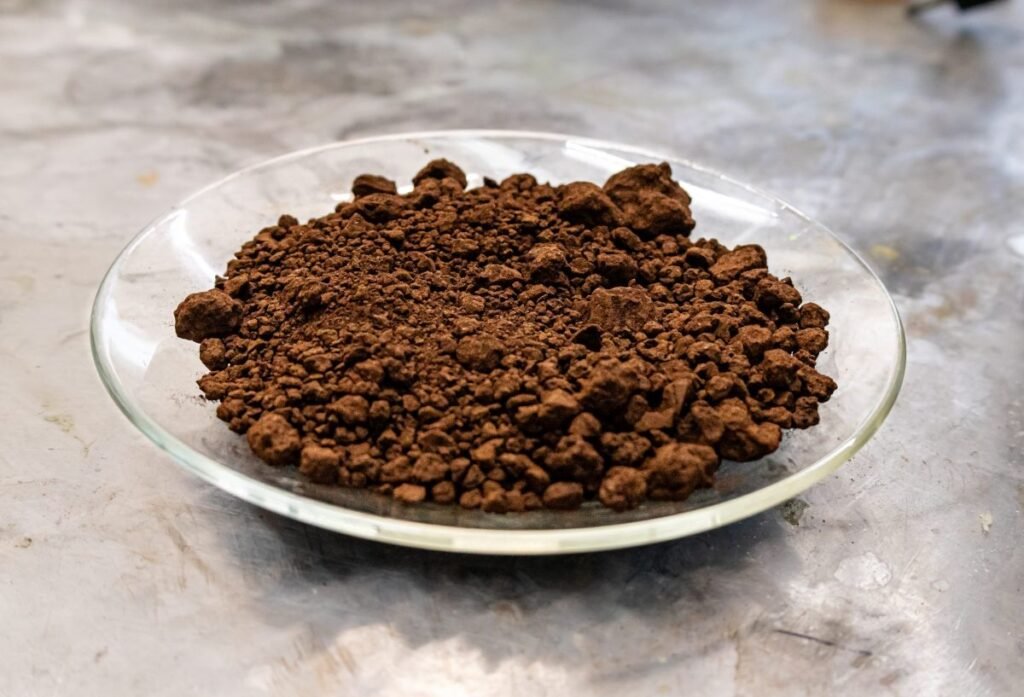
The vermilion hue of red mud comes largely from oxidized iron, which is the most common compound in the mixture. But the byproduct also contains critical minerals, such as titanium, aluminum and rare earth elements.
Despite its mineral riches, red mud has been largely ignored because it has proven too costly to separate those minerals from iron oxide, Gostu said. “We are removing that impediment,” he said.
Gostu had designed most of the process during his doctoral studies at the Colorado School of Mines. But there was a piece missing, until one day, while talking to fellow co-founder Anthony Staley, everything fell into place. “We thought, ‘oh wait, there’s a waste stream that can make the whole process very economical, and it’s right there,'” Gostu said.
Fast Metals applies this waste stream, along with other chemicals, to red mud in six different steps. Different minerals fall along the way, each of which can be sold.
“The iron pays the operating expenses and the rest is profit,” Gostu said.
The profit potential is significant. Titanium dioxide sells for $2.50 to $3 per kilogram, while scandium oxide sells for about $750 per kilogram.
With the new funding, Fast Metals plans to expand its process. The startup has a commercial contract with Metalox, a minerals processor, to treat one ton of red mud and refinery waste per week by the end of this year.
When you buy through links in our articles, we may earn a small commission. This does not affect our editorial independence.
Check back often for more exciting news!