
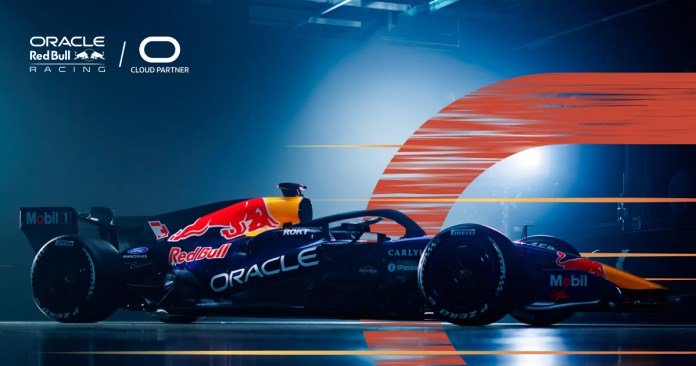
The world of Formula 1 is about to undergo its most radical transformation in decades. As the 2026 season approaches with brand new regulations, Oracle Red Bull Racing has confirmed it is sticking with the technology partner that helped them dominate the current era. The team has announced a significant multi-year extension and expansion of
The world of Formula 1 is about to undergo its most radical transformation in decades. As the 2026 season approaches with brand new regulations, Oracle Red Bull Racing has confirmed it is sticking with the technology partner that helped them dominate the current era.
The team has announced a significant multi-year extension and expansion of its title partnership with Oracle. This isn’t just a logo on a car; it is one of the most integrated technology plays in professional sport today.
Oracle Cloud Infrastructure (OCI) and Oracle AI are now at the very core of how the team operates. From the garage to the boardroom, the Milton Keynes-based outfit is using data to find every possible millisecond of performance.
Powering the 2026 engine revolution
Perhaps the most ambitious part of this deal involves Red Bull Ford Powertrains. For the first time, Red Bull is building its own next-generation hybrid power unit from the ground up.
Competing against legacy manufacturers who have been building engines for over a century is no small feat. The team has relied on OCI’s high-performance computing to design, validate, and refine the engine in record time.
“The debut of Red Bull Ford Powertrains’ next-generation hybrid engine, engineered with and tested extensively on OCI, marks a defining milestone.”
Clay Magouyrk, CEO, Oracle.
Building a competitive engine in just four years requires massive simulation power. By using bare metal infrastructure, the team can run complex fluid dynamics and thermal simulations without the overhead of traditional data centres.
The rise of the AI strategy agent
One of the coolest additions to this partnership is the development of an AI-powered strategy agent. This tool is designed to work right alongside human race engineers during the heat of a Grand Prix.
The AI agent automates data collection and interprets real-time race inputs faster than a human ever could. It surfaces insights that help the pit wall respond to safety cars, weather changes, or rival undercut attempts.
As the 2026 regulations introduce active aerodynamics and new energy management rules, the variables are exploding. Having an AI agent to process thousands of scenarios per second is going to be a massive advantage.

Deep simulations for a new era
The new rules for 2026 fundamentally change how cars generate power and manage energy. This means the old simulation models simply won’t work for the upcoming season.
Oracle Red Bull Racing is using OCI to run deeper, more granular simulations than ever before. These models account for tyre degradation, active aero configurations, and energy deployment windows across a full race distance.
By running these simulations in the cloud, the team can scale their computing power up or down based on the needs of the race weekend. This flexibility is key to staying under the FIA’s strict cost cap while still out-innovating the field.
Winning off the track with Oracle Fusion
While the race cars get all the glory, the business side of a Formula 1 team is equally complex. The team is now leaning heavily on Oracle Fusion Cloud Applications to manage its internal operations.
This includes everything from finance and HR to marketing and fan engagement. By using AI-embedded tools within the suite, the team can simplify payroll and optimise planning and budgeting.
“We rely on Oracle’s invaluable expertise to help us understand and optimise countless variables with greater precision and speed than the competition.”
Laurent Mekies, CEO and Team Principal, Oracle Red Bull Racing.

What this means for the Australian Grand Prix
The timing of this announcement is perfect for local fans as the 2026 season is set to kick off right here in Melbourne. The lights will go out at Albert Park on March 5, 2026.
This will be the first time we see the Red Bull Ford Powertrains engine compete in a points-paying race. With Oracle’s tech behind them, expectations for the reigning champions will be sky-high.
“Whether on the track or in the enterprise, Oracle Cloud and Oracle AI deliver the speed and intelligence needed to win.”
Clay Magouyrk, CEO, Oracle.
The 2026 regulations represent a clean slate for the entire grid. While other teams are scrambling to catch up, Red Bull’s continued stability with Oracle gives them a solid foundation to build on.
The tech behind the trophies
Since Oracle became the title partner in 2022, the results speak for themselves. The team has secured three Drivers’ World Championships and two Constructors’ World Championships in that window.
“Our partnership with Oracle has been hugely successful, and we are delighted that we will continue together into this new era for F1.”
Laurent Mekies, CEO and Team Principal, Oracle Red Bull Racing.
It is rare to see a technology partnership move beyond simple sponsorship into genuine technical co-development. This extension proves that Oracle’s cloud stack is now a critical component of the car’s performance.
As we move toward a more sustainable, hybrid-focused future in 2026, the reliance on data is only going to increase. For Red Bull, having the world’s largest database company in their corner is a formidable weapon.
Whether you are a fan of Max Verstappen or just a lover of high-end cloud computing, this partnership is a fascinating look at the future of sport. The 2026 season can’t come soon enough.
For more information, head to https://www.oracle.com/au/redbullracing/



















Leave a Comment
Your email address will not be published. Required fields are marked with *