Get the Popular Science daily newsletter💡 Breakthroughs, discoveries, and DIY tips sent six days a week. By signing up, you confirm you are 16+, will receive newsletters and promotional content and agree to our Terms of Use and acknowledge the data practices in our Privacy Policy. You may unsubscribe at any time. They’re called cornflakes.
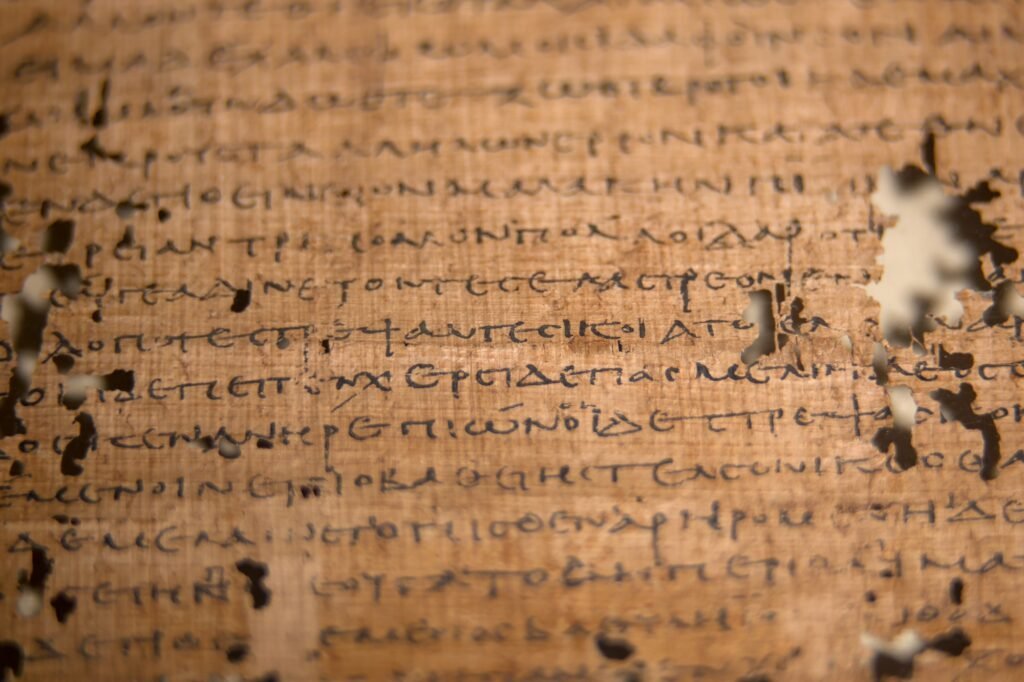
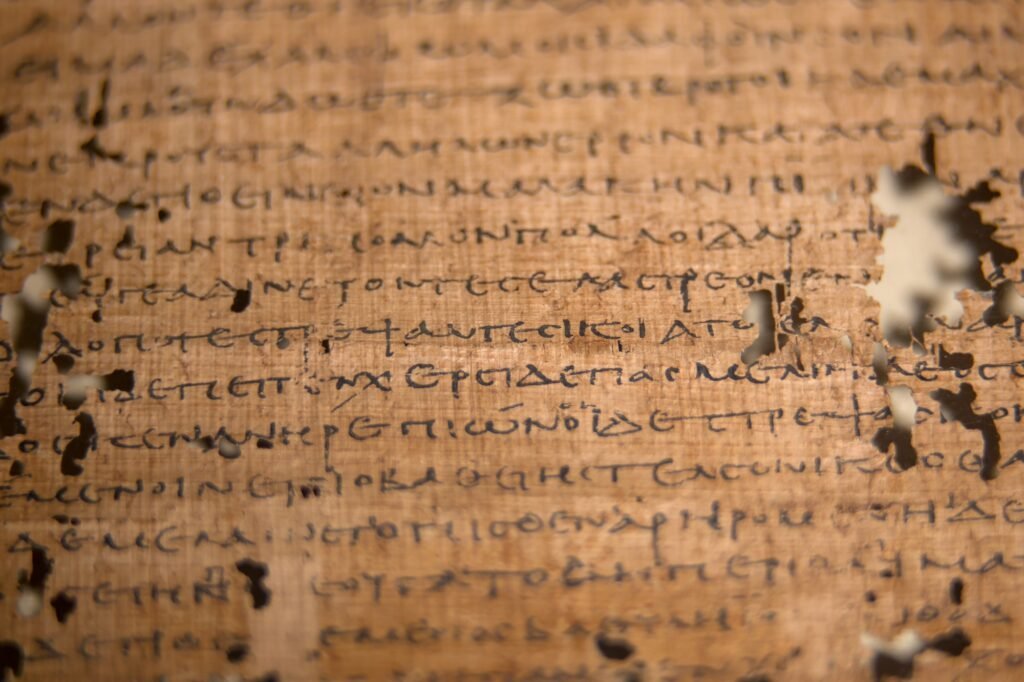
They’re called cornflakes. These overlooked scraps of papyri (texts written on paper made from the papyrus plant) carry partial snapshots of ancient worlds.
For archeologists, cornflakes deserve care and attention as much as their complete cousins do—and that’s exactly what took place this summer, at the University of Michigan’s (U-M) Papyrus Conservation Summer Seminar. An international group of nine researchers acquired and practiced the latest papyrus preservation techniques on papyrus fragments held at the University of Michigan in Ann Arbor.
“Most of them [the researchers] came to Ann Arbor with zero papyrus experience, but the group ended up conserving more than 150 big and small papyri in just two weeks,” Giuliano Sidro, curator of the U-M papyrology collection, said in a statement.
The university’s papyrology collection is the largest collection of ancient papyri in the Western Hemisphere. texts and documents dating back to sometime around 1000 BCE to 1000 CE, including personal letters, school primers, and sales contracts are all preserved within its walls.
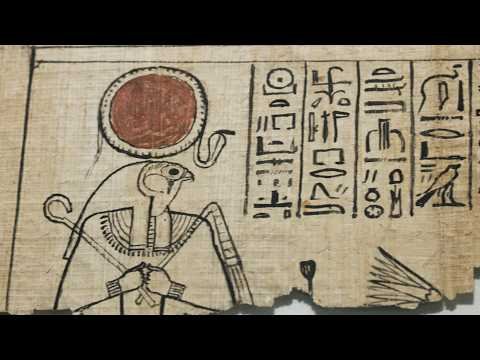
Preserving the Past Through Papyrus Conservation
One of the researchers worked on a fragment of a copy of “Against Ctesiphon,” a famous speech from an Athenian orator Aeschines delivered in 330 BCE. Another researcher connected a U-M cornflake to one from his home collection in Milan.
The seminar was led by Marieka Kaye, director of preservation services for physical collections at the U-M Library. According to the team, Kaye and Sidro’s collaboration at U-M is a unique dynamic. Usually, conservators and papyrologists work sequentially and independently, not together. The conservator restores and preserves the papyri, and then the papyrologist studies the pieces. When the two can join forces, it also helps the seminar participants understand the material they’re handling in real time.
“The papyrologist can read the texts and guide the conservator’s hand in placing complex, fragmentary puzzles, while the conservator not only makes papyri accessible and readable but also offers a material perspective that can inform, or even correct, a papyrologist’s assessment of a text,” Sidro explained.

2026 Popular Science Home of the Future Awards
Keep following us for the latest insights.