Abu Dhabi wants to become the world’s first “AI-native” government, harnessing artificial intelligence to personalize services and manage straightforward tasks. Backing the ambition is a 13 billion dirham ($3.5 billion) investment to transform the emirate’s digital services by 2027. Western governments, often tech-phobic, will be watching. Speaking at the Ai Everything conference in Abu Dhabi
Abu Dhabi wants to become the world’s first “AI-native” government, harnessing artificial intelligence to personalize services and manage straightforward tasks. Backing the ambition is a 13 billion dirham ($3.5 billion) investment to transform the emirate’s digital services by 2027. Western governments, often tech-phobic, will be watching.
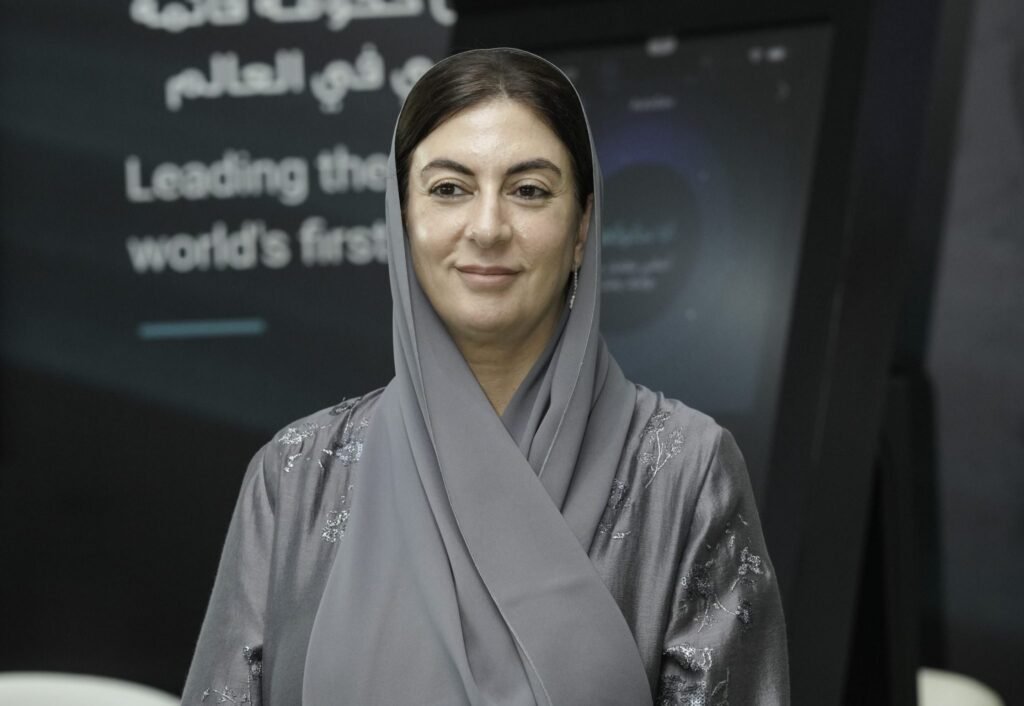
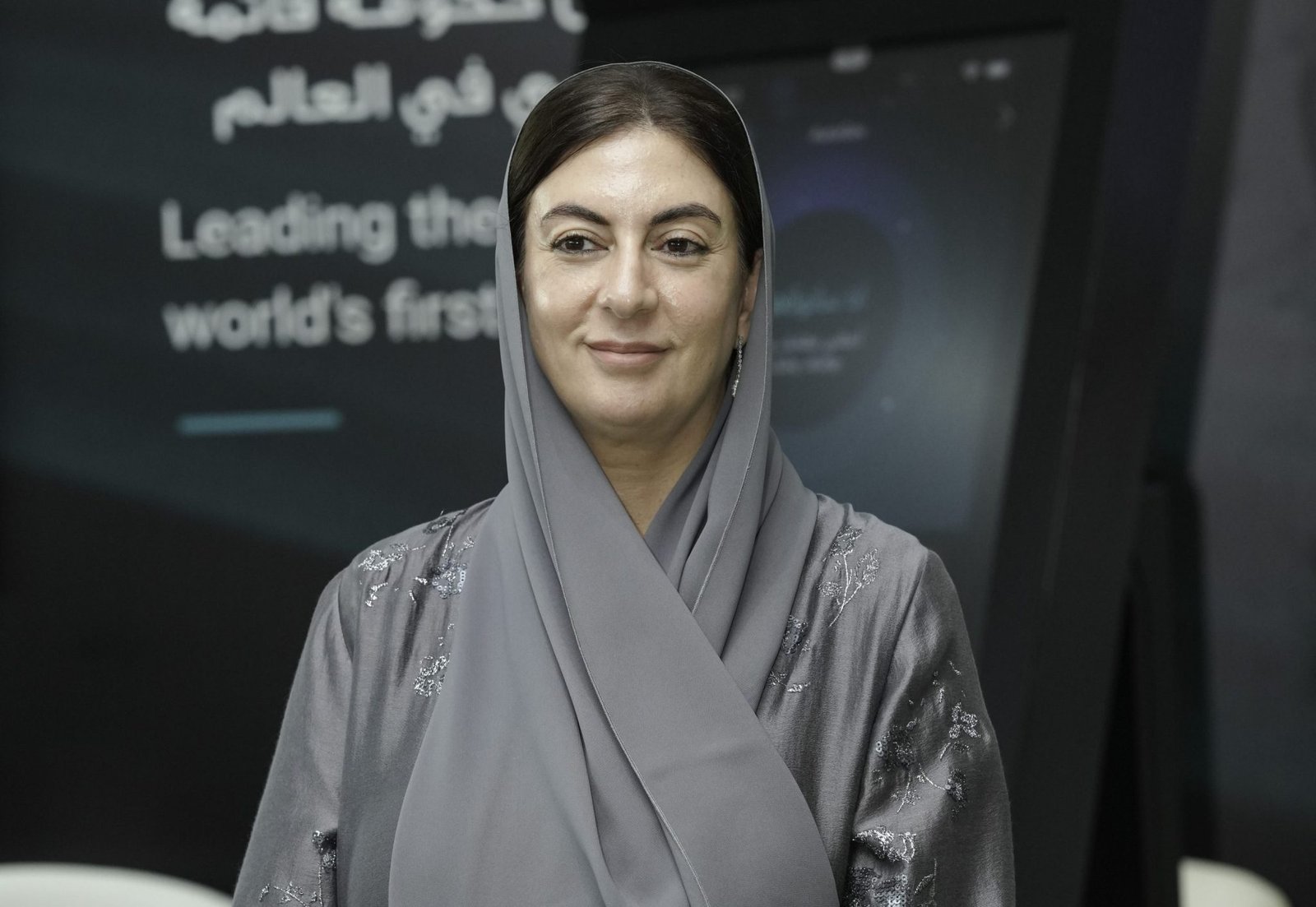
Speaking at the Ai Everything conference in Abu Dhabi last week, Ruba Al Hassan, director general of strategic affairs and future foresight at Abu Dhabi’s Department of Government Enablement, described a government gearing up to handle more of the paperwork it usually expects residents to do.
In October 2025, the government launched AutoGov through its TAMM app—a unified digital platform that centralizes over 1,000 smart government services for citizens, residents, businesses, and visitors in Abu Dhabi.
AutoGov takes care of regular tasks like renewing licenses, paying bills, and booking routine health appointments. The goal is to spare residents the inconvenience of repeatedly visiting government offices, particularly when little has changed in their circumstances.
Al Hassan wants the government to handle car registrations so seamlessly that you forget it needs to be renewed. Instead, residents can authorise the TAMM services app to handle the task. “I enter my preferences, give my consent, and then I forget about it,” she explained. “I don’t ever have to think about my car registration ever again. It just happens.”
The initiative relies on residents being comfortable with the government acting for them. When asked about potential trust issues, Al Hassan pointed to the government’s history of completing projects and handling emergencies, like the pandemic. “That comes from when we say something, we do it. We get it done,” she said. “It comes because we’ve proven time and time again that we can deliver on our promises”.
In Edelman’s 2026 Trust Barometer, 86% of people in the UAE said they trust the government to “do the right thing”, compared with 53% in 28 other countries surveyed.
It helps that the emirate’s services are centralised. For example, licensed health facilities must join Malaffi, Abu Dhabi’s health information exchange, unless exempt (failure to join can prevent license renewal). By August 2025, the exchange reported 3.5 billion clinical records from over 3,000 facilities.
The use of AI predictive technology highlights risks like diabetes, heart failure, and kidney disease. Al Hassan describes a doctor’s appointment where the doctor can review the patient’s history and risk information before deciding on treatment. “So the doctor doesn’t waste time on paperwork and looking for information, and can just focus on spending time with you,” she said.
However, diagnosis and treatment are still the doctor’s job, “because the doctor can add context.” Diagnosing problems early could prevent expensive complications, but only time and use of the system will reveal how much money or how many hospital visits it has saved.
Al Hassan says using AutoGov is optional. Abu Dhabi’s rules allow medical data to be shared through Malaffi without written patient consent, but it’s unclear what permission is needed for subsequent use by AI. Patients can ask the provider who collected their records to limit sharing, but it’s not clear if they can refuse AI analysis while still allowing their records to be used for treatment.
Getting different departments to work together is another challenge. Their common question, Al Hassan said that visiting governments often ask “how did you get everyone to come together and cooperate?” She talks of meetings with eight government groups where the shared goal is agreed on before talks start.
“There is no more fighting. There is a discussion,” she said. Years of integrating services, supported by money and the authority to require involvement, help explain Abu Dhabi’s progress.
Sometimes the problem is more simple . Al Hassan remembers showing a group of visitors TAMM’s feature for taking pictures and reporting potholes. One of the visitors, she said, quickly saw a problem: “We can’t do this. There are too many potholes. The city will be overwhelmed.” An app can make it easier to report a problem without giving the city the ability to fix it.
Looking ahead, Abu Dhabi will need to assess whether the investment leads to both time and cost savings. Britain’s 2025 Copilot trial, with 20,000 civil servants, showed workers saved about 26 minutes a day. Turning those minutes into cost savings depends on how staff use the extra time, after paying for software, training, and reviewing its results.
Earlier this month, the emirate launched AiNative, a program with OpenAI, Microsoft and Mohamed bin Zayed University of Artificial Intelligence, to train 20,000 government workers in practical and responsible AI use by the end of the year.
Al Hassan says workers’ skills must keep up with technology; just calling the government “AI-native” won’t be enough. “It’s not the final goal. It will keep changing.”
For residents, her long-term goal is easier to imagine. When a passport is about to expire, the government already knows the owner will need a new one. Al Hassan wants renewal to happen automatically without needing to apply.
“Why would I even have to request it?” she asks.
For more tech updates, stay tuned to our blog.