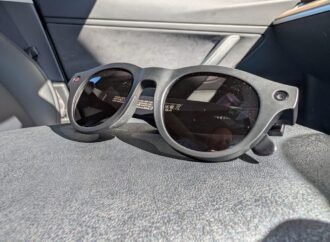
HTC has officially entered the smart eyewear arena in Australia with the launch of the VIVE Eagle AI glasses. Designed as stylish everyday eyewear, these frames pack loads of technology that allows you to capture photos and video hands-free, access real-time translation, listen to spatial audio, and one of my favourites features, let’s me access
HTC has officially entered the smart eyewear arena in Australia with the launch of the VIVE Eagle AI glasses. Designed as stylish everyday eyewear, these frames pack loads of technology that allows you to capture photos and video hands-free, access real-time translation, listen to spatial audio, and one of my favourites features, let’s me access Gemini on the phone.
Built around a clear privacy-first ethos that ensures user data is never used for AI training, while ensuring the recording LED light lets those around you know it’s active.
For daily use, the VIVE Eagle transforms routine activities like walking, cycling, or commuting by keeping you connected to your favourite digital services and tools. Instead of pulling your smartphone out of your pocket dozens of times each day to check quick facts, capture fleeting moments, or manage tasks, the glasses let you interact directly through conversational audio prompts or quick physical clicks.
The target audience here is largely tech enthusiasts, content creators, busy professionals, and everyday commuters who want seamless, heads-up access to artificial intelligence and point-of-view capture. If you are someone who regularly relies on conversational assistants to streamline your workflow or capture spontaneous memories on the go, the VIVE Eagle offers a practical, stylish, and highly capable wearable solution.
Design
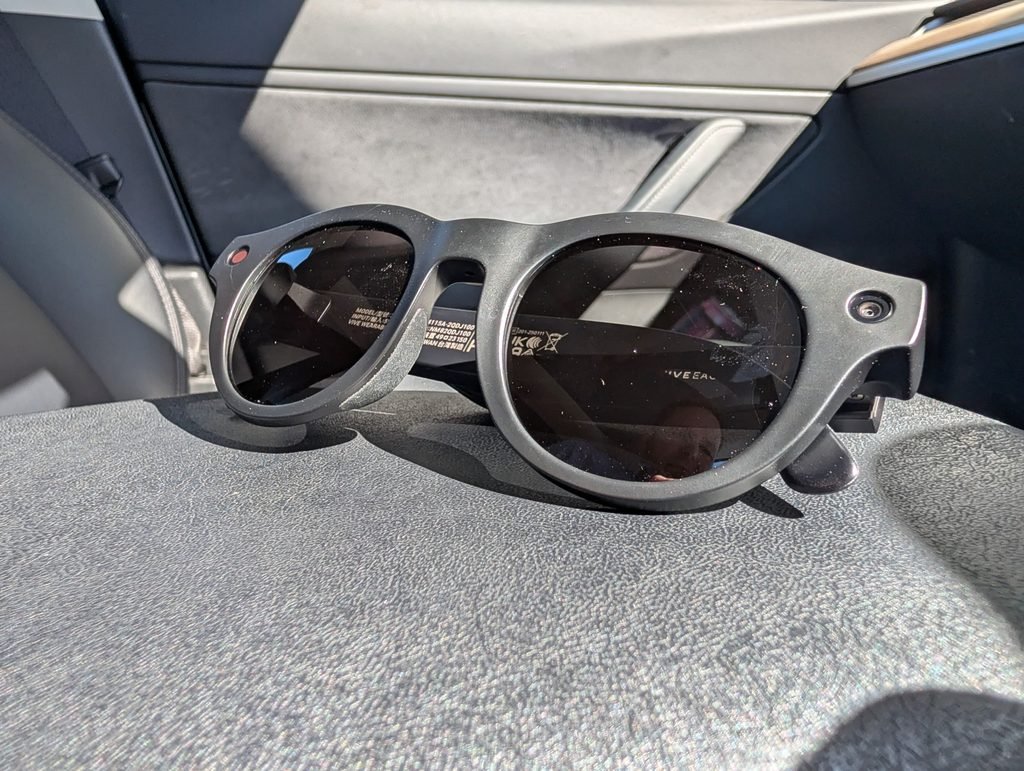
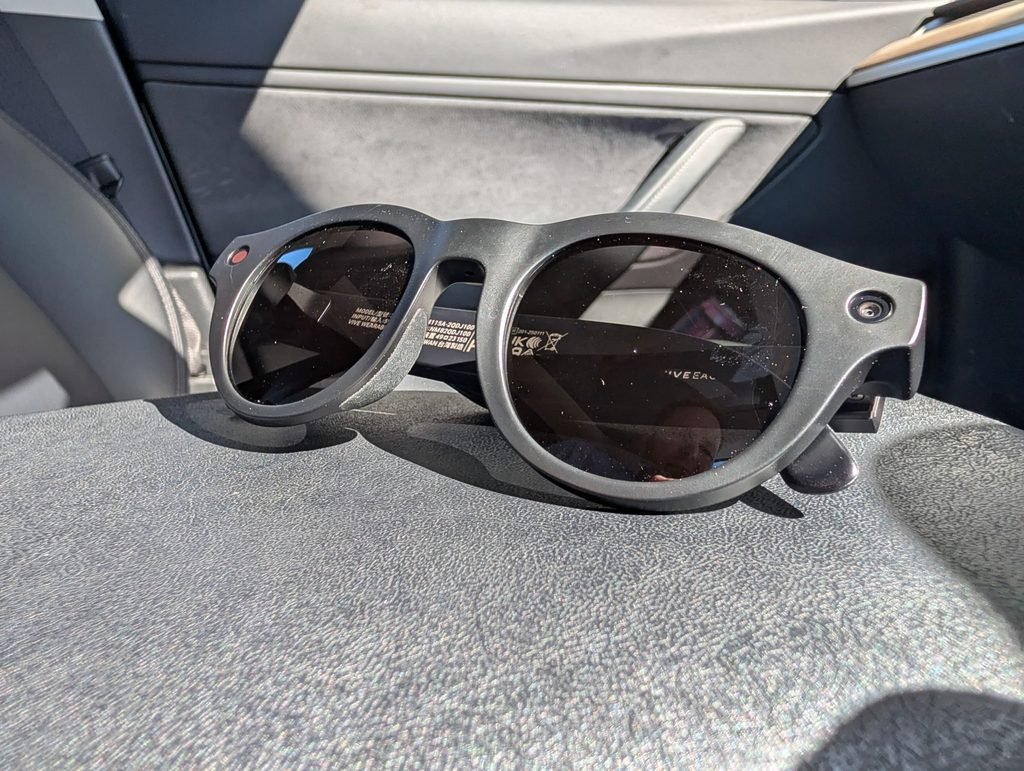
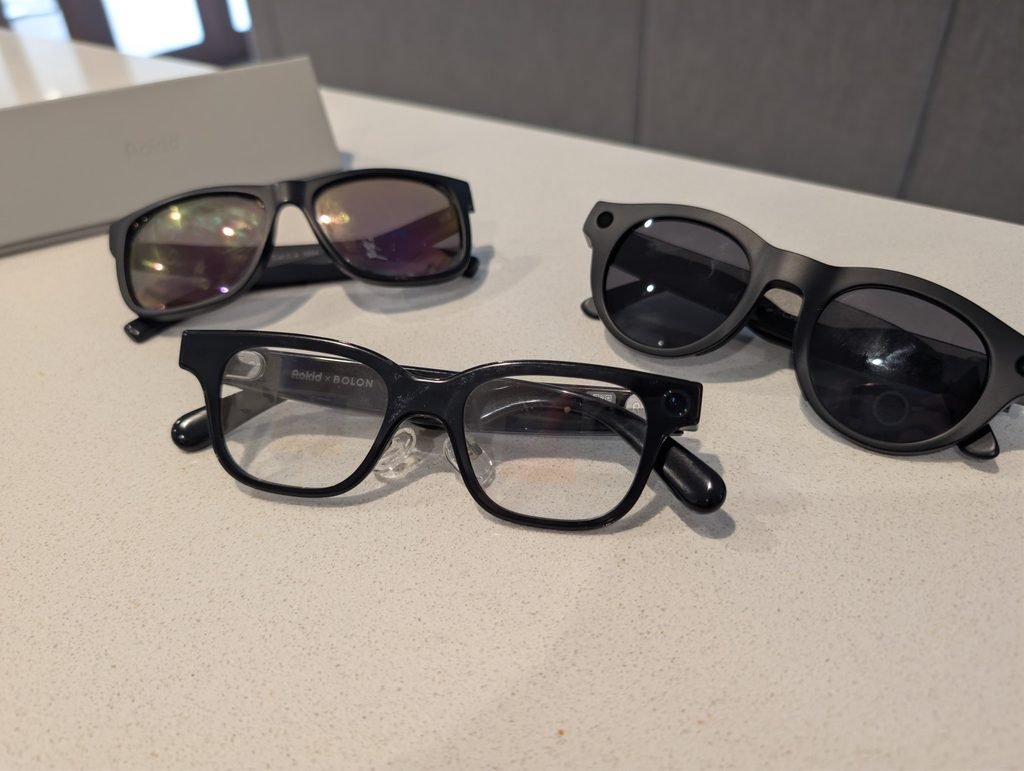
The physical design of the VIVE Eagle strikes a strong balance between everyday aesthetic appeal and modern wearable engineering. While style is inherently subjective, and some users might still lean slightly toward the classic silhouette of the Meta Ray-Bans, HTC has produced a sharp and good-looking set of frames.
For this review, I tested the rounded Pantos frame in Black paired with dark ZEISS UV400 sunglass lenses. Personally I probably prefer the Square boxy frame style, but this is personal preference. They fit exceptionally well and remain comfortable across long periods of wear, aided by adjustable nose pads that help tailor the fit to different face shapes.
The build quality feels solid and well-engineered throughout the chassis, backed by an IP54 rating for dust and splash resistance. What stands out most during daily use is how light they feel on your face. Weighing in at just 48.5 grams with lenses (or 49 grams for the Square variant), they are only slightly heavier than a pair of conventional sunglasses. That makes it remarkably easy to forget you are wearing smart glasses packed with a processor, camera sensors, speakers, and rechargeable battery cells. Crucially, they still excel at their most fundamental task: acting as high-quality sunglasses to protect your eyes with premium ZEISS optics.
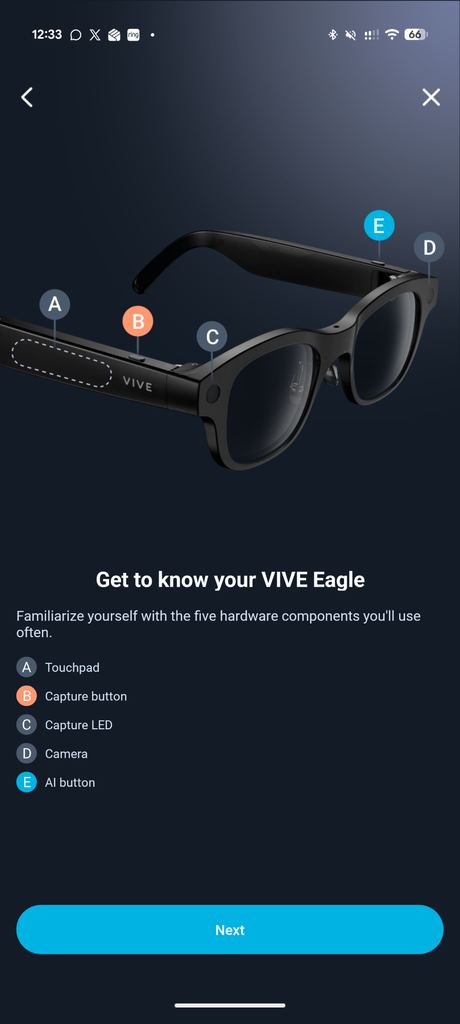
A standout physical design upgrade is the inclusion of dual physical buttons, placing a dedicated, tactile button on the top edge of both the right and left arms. Having the flexibility to customise both buttons to perform distinct functions gives you immediate, physical control over your most-used commands.
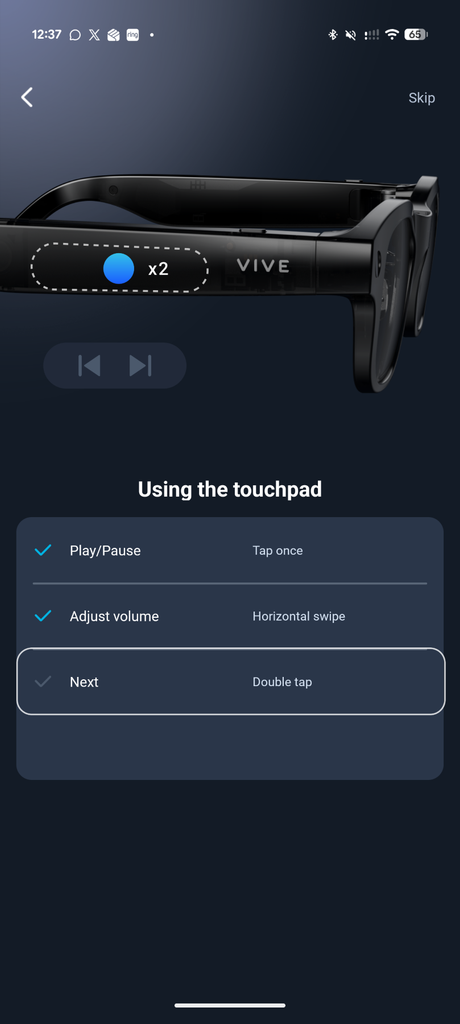
I spent plenty of time experimenting with custom button mappings in the companion app, and being able to tailor single and double presses to specific actions or AI workflows is a genuinely great feature. Alongside the physical shutter and AI shortcut keys, the intuitive touch controls, including a smooth volume slider along the temple, make adjusting your media playback on the move effortless.

Performance
Powered by the Qualcomm Snapdragon AR1 Gen 1 platform with 4GB of RAM and 32GB of onboard storage (tested on firmware version 1.69.999.2), the hardware feels responsive and snappy. In day-to-day performance, the VIVE Eagle delivers an exceptionally capable experience across visual capture, audio playback, and assistant responsiveness.
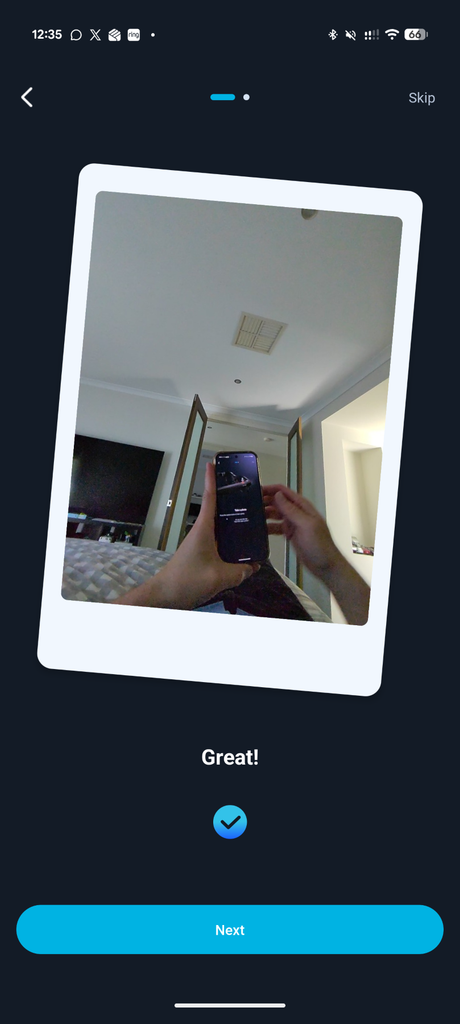
The 12MP ultra-wide camera produces great image quality (3024 x 4032 pixels) and clear 3K vertical video footage (2176 x 2944 at 30fps) with automatic horizon alignment, giving you dependable point-of-view content without fuss.
I was also really impressed by the audio quality recorded on video clips via the four-microphone beamforming array. Naturally, any microphone setup sitting back on your temples away from your mouth is going to be challenged when contending with heavy environmental noise like wind buffeting on a bike ride, though creators can easily work around this by pairing a wireless Bluetooth lapel mic. For spontaneous everyday video clips and outdoor recordings, however, the built-in mics do an admirable job.
Audio playback is another strong highlight of these frames. The open-ear directional stereo speakers provide rich, detailed sound with virtual bass and enough punch that you can easily leave your regular headphones at home. Whether you are listening to music, podcasts, or taking phone calls, the audio quality remains crisp with minimal sound leakage to people around you, all while keeping you fully aware of ambient environmental sounds.
Pairing the glasses with Google Gemini as the core engine makes voice and visual queries feel fast, intelligent, and contextually aware. This review coincided with the release of Gemini’s newest, most capable model Gemini 4 which further improved the experience. Because the assistant taps directly into your broader Google services, interacting with your tools hands-free feels natural, avoiding clumsy delays or stilted responses.
Testing the multimodal visual recognition on animals, plants, and food was really impressive and a fun offering in daily use. Even relying solely on audio narration without a heads-up display, the visual intelligence works remarkably well.
Similarly, the VIVE Connect companion app, feels really mature right out of the gate. It offers a deep set of configuration options, and pulling high-resolution photos and 3K video clips off the glasses over Wi-Fi 6E and Bluetooth 5.3 was fast and seamless with zero complaints about transfer speeds.
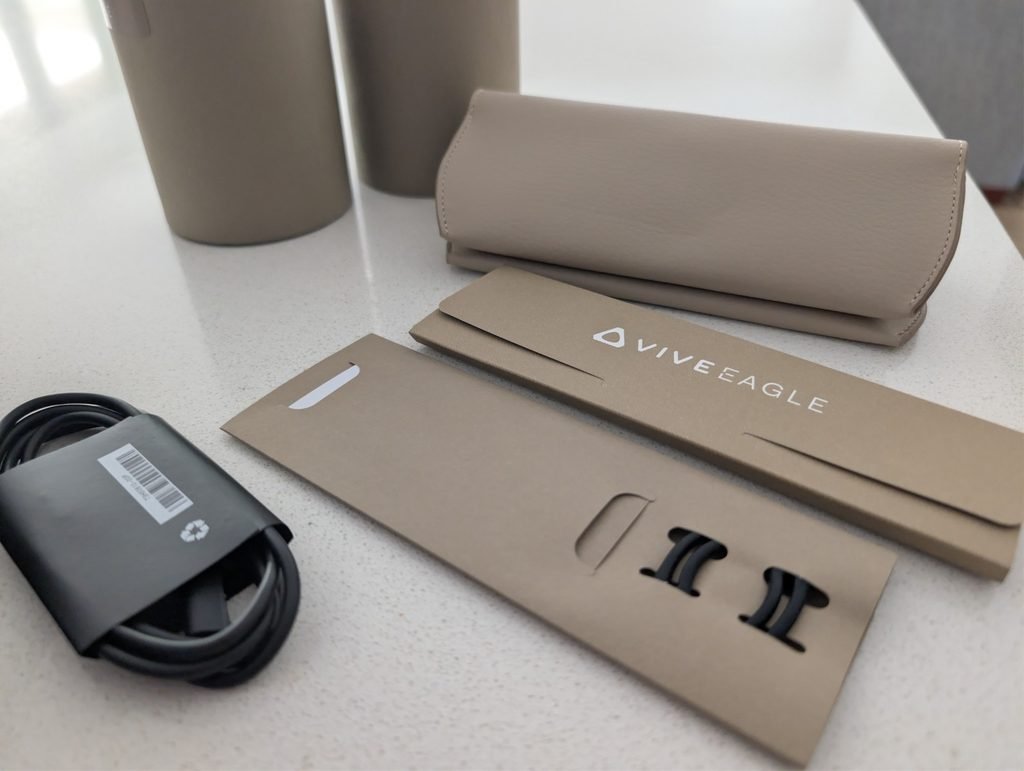
Battery endurance easily supports standard daily tasks, holding up well under varied capture and listening demands throughout the day. The internal 235mAh battery is rated for up to 4.5 hours of continuous music playback, over 3 hours of continuous voice calls, and more than 36 hours of standby time. When you do need a top-up, the magnetic charging cable snaps easily onto the two-pin connector on the inner arm, delivering a rapid fast charge from 1% to 50% in just 10 minutes (or up to 80% in 23 minutes).
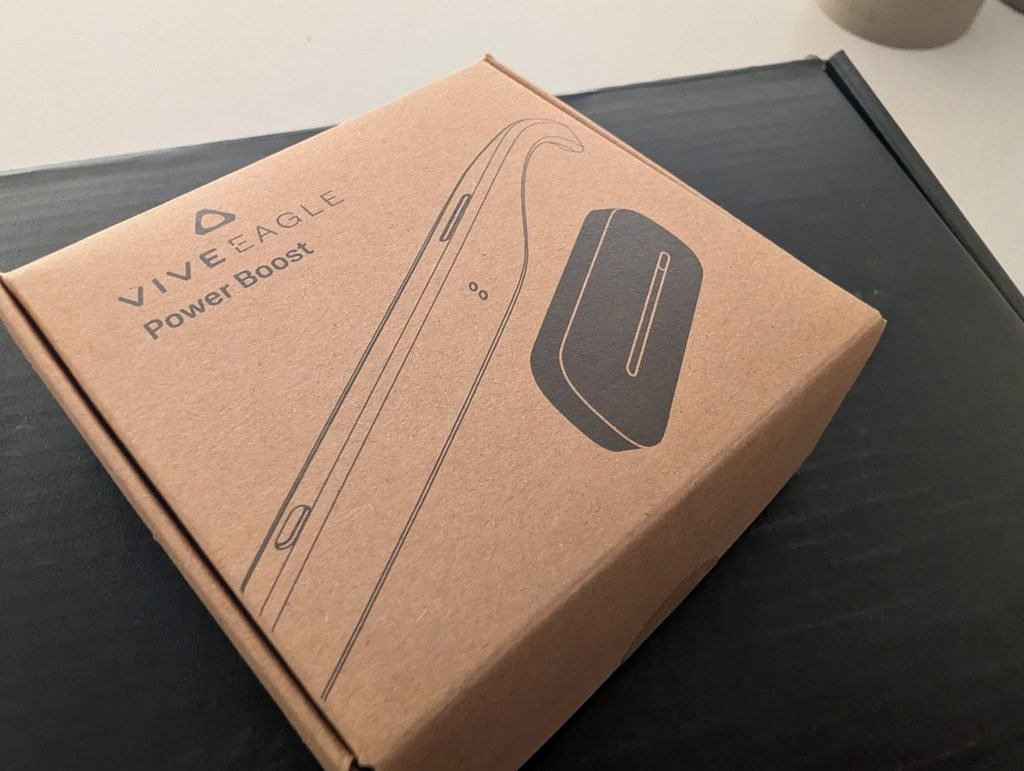
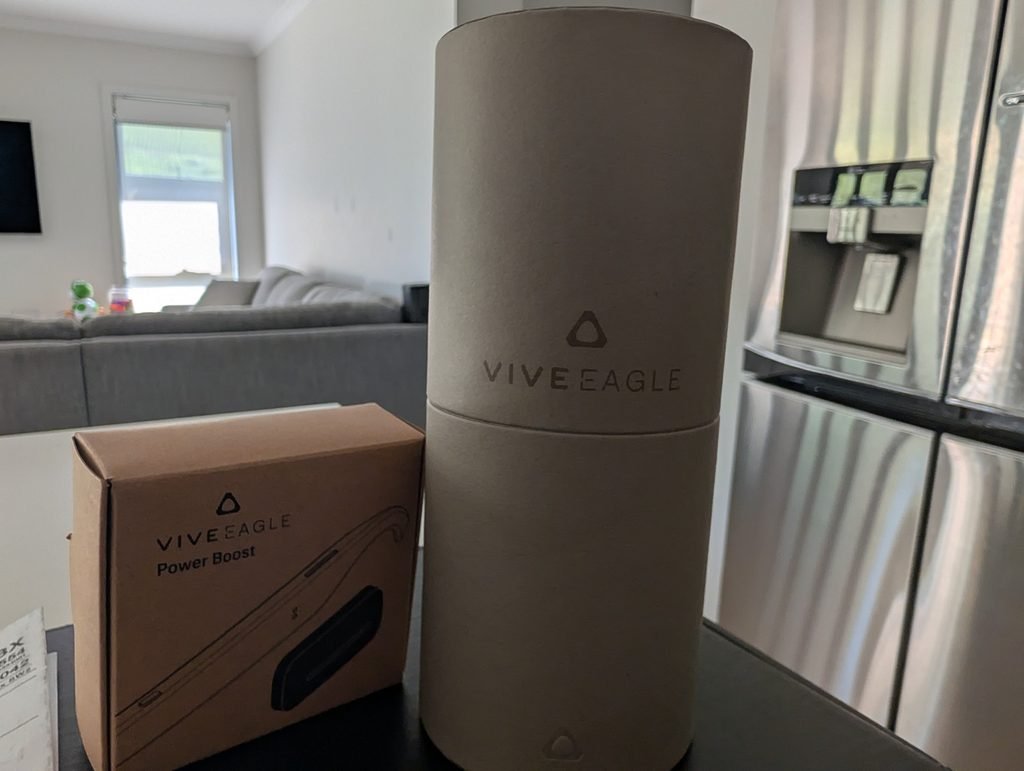
There is also a Power Boost battery accessory that magnetically attaches to the frames, for A$79.00 which delivers even more battery.
Features
The VIVE Eagle arrives packed with intelligent features designed to streamline everyday communication, capture, and voice-assisted workflows:
Google Gemini and OpenAI integration
You can configure the glasses to connect directly to Google Gemini or OpenAI GPT through the VIVE Connect app, letting you choose the assistant that best fits your workflow. By routing queries through Gemini, the glasses link directly with your preferred services, giving you fast, contextual answers to questions when you are out and about.
VIVE AI Plus included
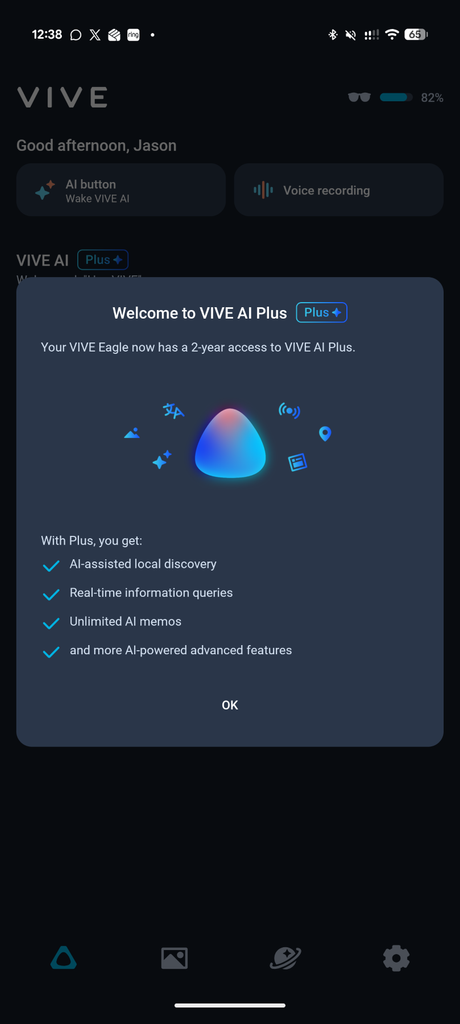
Eligible purchases include 2 years of complimentary access to VIVE AI Plus right in the app, unlocking AI-assisted local discovery, real-time information queries, unlimited AI memos, and advanced multimodal features.
Dual programmable buttons
Physical buttons located on the left and right temples can be customised to trigger your choice of actions. This allows you to experiment with custom mappings for snapping photos, starting video recordings, triggering visual recognition, or calling up your AI assistant with a simple press.
Hands-free capture with voice activation
A 12MP ultra-wide camera captures high-resolution HDR photos (3024 x 4032) and crisp 3K vertical video (2176 x 2944 at 30fps) using either the programmable physical buttons or hands-free voice commands. Simply saying phrases like “Hey VIVE, take a picture” allows you to record point-of-view moments seamlessly without pulling out your phone.
Open-ear directional audio
Built-in spatial stereo speakers and a four-microphone array (1 directional and 3 omnidirectional mics) deliver balanced music playback and clear voice calls without blocking your ears. An integrated touch slider lets you adjust volume up or down with a quick swipe along the temple.
Live translation and VIVE AI Notes
The onboard software supports live spoken translation and visual text translation across 70+ languages simply by looking at signs and menus. It can also transcribe spoken conversations, discern speakers, and generate AI meeting summaries to help you stay productive.
Privacy by design
Built with AES-256 encryption alongside ISO 27001 and ISO 27701 certified data handling, user requests are de-identified when routed to cloud models, and no consumer data is used to train AI models. Visual exterior LED recording indicators ensure those nearby know when recording is active, and the camera disables automatically if the LED is covered or when the glasses are not being worn.
Issues and opportunities
While the VIVE Eagle delivers a polished overall package, there are a few hardware and firmware opportunities HTC should explore in future generations.
The primary functional limitation relates to video recording length. The glasses currently enforce an automated cutoff duration per clip (set to 3 minutes by default and maxing out at 10 minutes per clip), rather than letting the user record continuously until the 32GB of onboard storage is full or the battery depletes. If you are attempting to film an entire bike ride to speed up into a time-lapse later, you have to listen carefully for the chime indicating recording has stopped and manually initiate a new clip, leaving awkward gaps in your footage.
The internal recording indicator could also benefit from a physical redesign. The current white notification light is situated inside the upper right corner of the frame. In bright Australian ambient daylight, it can be quite difficult to see if the internal light is actually illuminated without taking the glasses off to check the front LED. Introducing a subtle indicator light along the nose bridge, perhaps even a soft red LED, would place the recording status comfortably in your natural peripheral vision without obstructing your sight or forcing you to remove the frames.
On the charging front, while the proprietary magnetic cable makes attaching power to the arm of the glasses effortless, I would love to see HTC integrate standard USB-C charging. One great way we have seen other manufacturers solve this is by bundling a battery-equipped charging case with a standard USB-C port on the outside, meaning you do not have to pack a dedicated magnetic cable when travelling.
Finally, after testing the impressive camera-based recognition on plants, animals, and food, I could not help but think about how future iterations equipped with built-in waveguide displays will take this experience to the next level. Being able to overlay detailed visual analysis and augmented information directly in your line of sight will be a massive leap forward, even if the current audio narration already works very well.
Price and availability
The HTC VIVE Eagle AI glasses are available in Australia for an RRP of A$799.00. Pre-orders opened on 3 September 2026, with general retail availability launching on 14 September 2026.
You can choose between Square and Pantos frame styles across multiple colourways with clear (ZEISS UV400 Blue Light Blocking), sun (ZEISS UV400), or adaptive (ZEISS UV380 AdaptiveSun) lens configurations. HTC also includes a Lenswap voucher in retail boxes to assist buyers needing custom prescription lenses, plus 2 years of complimentary VIVE AI Plus access.
For users requiring extra runtime on long outings, the optional 8-gram (120mAh) VIVE Power Boost magnetic battery accessory is available for A$79.00, allowing you to charge the glasses while wearing them.
Every eligible VIVE Eagle purchase includes a complimentary 24-month subscription to VIVE AI Plus (which includes 100 monthly credits for AI translation and summaries, unlimited AI memos, real-time queries, and local discovery). Once the two-year trial wraps up, continuing on VIVE AI Plus is very reasonably priced at A$4.99/month or A$49.90/year.
If you need higher limits, the VIVE AI Pro plan (400 monthly credits and advanced creator/translation features) is available for A$15.99/month or A$159.90/year (with an introductory offer of A$10.99/month or A$109.90/year), alongside optional top-up packs of 1,200 credits for A$46.99 or 3,000 credits for A$94.99.
Overall
The HTC VIVE Eagle AI smart glasses establish a compelling benchmark for what wearable AI should feel like in everyday life. By integrating Google Gemini alongside solid 12MP visual capture, a mature companion app, and top-tier open-ear audio, HTC has created a device that genuinely reduces how often you need to reach into your pocket for your smartphone. The lightweight 48.5g chassis, comfortable fit, and customisable dual physical buttons make it a pleasure to wear across an entire day.
At $799, the VIVE Eagle represents solid value for tech-forward users, mobile professionals, and creators who want reliable point-of-view media and conversational intelligence without sacrificing privacy or personal style. If you are looking for an open, flexible alternative to Meta’s walled garden that connects seamlessly with Google services, the VIVE Eagle is well worth your investment.
For more tech updates, stay tuned to our blog.