
Pakistan’s Gateway to Global News, Tech Updates, and Emerging AI Trends.
Aeronautics
- Home
- Aeronautics

NASA Selects University Teams to Help Advance Aviation Research0
- Aeronautics, Aeronautics Research Mission Directorate, Flight Innovation, Research and Technology Mission Directorate, SCIENCE, Science / Health, Science Mission Directorate, scientists, Space, Space Communications & Navigation Program, Space Launch System (SLS), Space Telescope, space-x-ipo, SpaceX, Transformative Aeronautics Concepts Program, University Innovation, University Leadership Initiative, University Student Research Challenge
- August 20, 2026
NASA has selected four university teams to help the agency transform the future of aviation through projects ranging from high-supersonic propulsion systems to low-noise routes for small aircraft flying through cities. The agency made awards through its University Leadership Initiative, which offers student teams the opportunity to contribute to real-world flight research that advances NASA’s goals in aeronautics.
READ MORENASA Student Aviation Challenge Focuses on Nation’s Infrastructure – NASA0
- & Crowdsourcing News, Aeronautics, and Crowdsourcing Program, Center of Excellence for Collaborative Innovation (CoECI), Challenges, CoECI News, General, Get Involved, Opportunities to Contribute to NASA Missions & Get Involved, Prizes, Research and Technology Mission Directorate, SCIENCE, Science / Health, Science Mission Directorate, scientists, Space, Space Communications & Navigation Program, Space Launch System (SLS), Space Telescope, space-x-ipo, SpaceX, Transformative Aeronautics Concepts Program, University Innovation
- August 18, 2026
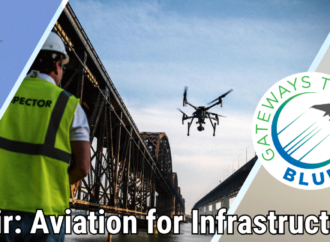
NASA’s next Gateways to Blue Skies competition invites collegiate teams to imagine innovative new ways aircraft could inspect land-based infrastructure, such as bridges and tunnels, to improve safety, reliability, and costs by 2035 or sooner. Infrastructure is the foundation of the nation’s strong economy, global competitiveness, and daily quality of life. When that infrastructure is
READ MORENASA Glenn’s Legacy Forged Through Decades of Flight Research0
- Aeronautics, Armstrong Flight Research Center, General, Glenn Research Center, NASA Aircraft, NASA History, SCIENCE, Science / Health, Science Mission Directorate, scientists, Space, Space Communications & Navigation Program, Space Launch System (SLS), Space Telescope, space-x-ipo, SpaceX
- August 18, 2026
Many of NASA’s most important aerospace breakthroughs that began in the laboratory were ultimately proven in the sky. For decades, experts at NASA’s Glenn Research Center in Cleveland conducted flight tests — piloting aircraft into targeted environments such as icing clouds and carefully defined atmospheric routes. This approach allowed them to collect measurements directly in flight, providing critical data
READ MORE


NASA Opens New Flight Dynamics Research Facility in Virginia – NASA0
- Aeronautics, Aerosciences Evaluation Test Capabilities, Langley Research Center, Research and Technology Mission Directorate, SCIENCE, Science / Health, Science Mission Directorate, scientists, Space, Space Communications & Navigation Program, Space Launch System (SLS), Space Telescope, space-x-ipo, SpaceX
- August 1, 2026
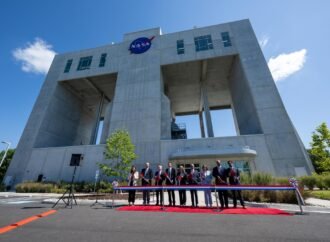
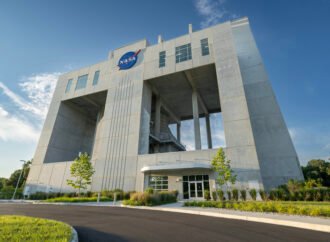
NASA opened its newest wind tunnel, the Flight Dynamics Research Facility, Friday, providing a critical resource for the agency and its partners to test the safety and performance of future generations of aircraft, rockets, and space exploration vehicles. Located at NASA’s Langley Research Center in Hampton, Virginia, the Flight Dynamics Research Facility will support advances
READ MORENASA to showcase agency’s newest wind tunnel in Virginia – NASA0
- Aeronautics, Aerosciences Evaluation Test Capabilities, Langley Research Center, SCIENCE, Science / Health, Science Mission Directorate, scientists, Space, Space Communications & Navigation Program, Space Launch System (SLS), Space Telescope, space-x-ipo, SpaceX
- July 22, 2026
The media is invited to NASA Langley Research Center in Hampton, Virginia, on Friday, July 31, to attend a press tour and ribbon-cutting ceremony for the Flight Dynamics Research Center, the agency’s first new wind tunnel in more than 40 years. The event will include a brief media availability with: NASA Administrator Jared Isaacman Dr.
READ MORENASA pushes new wing design to find structural limits – NASA0
- Advanced Air Vehicles Program, Aeronautics, Aeronautics Research Mission Directorate, Armstrong Flight Research Center, Langley Research Center, SCIENCE, Science / Health, Science Mission Directorate, scientists, Space, Space Communications & Navigation Program, Space Launch System (SLS), Space Telescope, space-x-ipo, SpaceX, Subsonic Flight Demonstrator, Subsonic Vehicle Technologies and Tools
- July 17, 2026
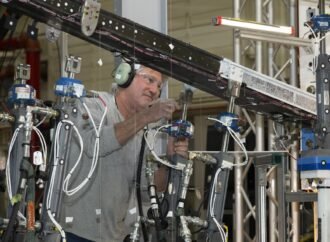
NASA researchers recently subjected a new wing design, which appears long and thin with a lightweight structural design, to a series of grueling tests to find its structural limits. What they found encouraged them about the wing’s potential, even as they pushed it beyond its intended limits. The 15-foot Structural Wing Experiment Evaluating Armor Reinforcement
READ MORE
Latest Posts
-
NASA Selects University Teams to Help Advance Aviation Research
- Aeronautics, Aeronautics Research Mission Directorate, Flight Innovation, Research and Technology Mission Directorate, SCIENCE, Science / Health, Science Mission Directorate, scientists, Space, Space Communications & Navigation Program, Space Launch System (SLS), Space Telescope, space-x-ipo, SpaceX, Transformative Aeronautics Concepts Program, University Innovation, University Leadership Initiative, University Student Research Challenge
- August 20, 2026
-
NASA Student Aviation Challenge Focuses on Nation’s Infrastructure - NASA
- & Crowdsourcing News, Aeronautics, and Crowdsourcing Program, Center of Excellence for Collaborative Innovation (CoECI), Challenges, CoECI News, General, Get Involved, Opportunities to Contribute to NASA Missions & Get Involved, Prizes, Research and Technology Mission Directorate, SCIENCE, Science / Health, Science Mission Directorate, scientists, Space, Space Communications & Navigation Program, Space Launch System (SLS), Space Telescope, space-x-ipo, SpaceX, Transformative Aeronautics Concepts Program, University Innovation
- August 18, 2026
-
NASA Glenn’s Legacy Forged Through Decades of Flight Research
- Aeronautics, Armstrong Flight Research Center, General, Glenn Research Center, NASA Aircraft, NASA History, SCIENCE, Science / Health, Science Mission Directorate, scientists, Space, Space Communications & Navigation Program, Space Launch System (SLS), Space Telescope, space-x-ipo, SpaceX
- August 18, 2026
-
NASA Opens New Flight Dynamics Research Facility in Virginia - NASA
- Aeronautics, Aerosciences Evaluation Test Capabilities, Langley Research Center, Research and Technology Mission Directorate, SCIENCE, Science / Health, Science Mission Directorate, scientists, Space, Space Communications & Navigation Program, Space Launch System (SLS), Space Telescope, space-x-ipo, SpaceX
- August 1, 2026



Top Authors
-
matechpros@gmail.com
ADMINISTRATOR
-
OWS
ADMINISTRATOR

