
Pakistan’s Gateway to Global News, Tech Updates, and Emerging AI Trends.
Aeronautics Research Mission Directorate
- Home
- Aeronautics Research Mission Directorate

NASA Selects University Teams to Help Advance Aviation Research0
- Aeronautics, Aeronautics Research Mission Directorate, Flight Innovation, Research and Technology Mission Directorate, SCIENCE, Science / Health, Science Mission Directorate, scientists, Space, Space Communications & Navigation Program, Space Launch System (SLS), Space Telescope, space-x-ipo, SpaceX, Transformative Aeronautics Concepts Program, University Innovation, University Leadership Initiative, University Student Research Challenge
- August 20, 2026
NASA has selected four university teams to help the agency transform the future of aviation through projects ranging from high-supersonic propulsion systems to low-noise routes for small aircraft flying through cities. The agency made awards through its University Leadership Initiative, which offers student teams the opportunity to contribute to real-world flight research that advances NASA’s goals in aeronautics.
READ MORENASA Upgrades Vertical Motion Simulator for Modern Mission Needs – NASA0
- Aeronautics Research Mission Directorate, Ames Research Center, General, SCIENCE, Science / Health, Science Mission Directorate, scientists, Space, Space Communications & Navigation Program, Space Launch System (SLS), Space Telescope, space-x-ipo, SpaceX
- August 12, 2026
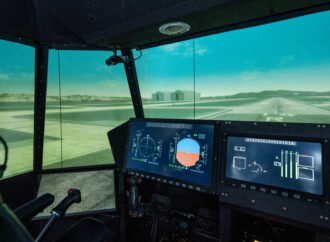
Imagine stepping into a machine that can make you feel like you’re flying a spacecraft, piloting a next generation air taxi, or landing on the Moon, all without leaving the ground. NASA’s Vertical Motion Simulator, the largest of its kind in the world, does exactly that. And now, with new upgrades, it’s more powerful and
READ MORENew small spacecraft technology demonstration mission on the Moon0
- Aeronautics Research Mission Directorate, Ames Research Center, Research and Technology Mission Directorate, SCIENCE, Science / Health, Science Mission Directorate, scientists, Small Spacecraft Technology Program, Space, Space Communications & Navigation Program, Space Launch System (SLS), Space Technology Mission Directorate, Space Telescope, space-x-ipo, SpaceX, Technology
- July 24, 2026
NASA is working with industry to advance the next phase of cislunar infrastructure for the agency’s Artemis and Lunar Base program, including orbital assets and demonstrations. Under a contract awarded to Advanced Space, the agency’s CAPSTONE 02 mission will demonstrate rendezvous and proximity operations, autonomous navigation, and cislunar communication capabilities while continuing to characterize the
READ MORE


NASA Simulations Improve Artemis II Launch Environment0
- Aeronautics, Aeronautics Research Mission Directorate, Ames Research Center, Artemis 2, Exploration Systems Development Mission Directorate, Flight Innovation, SCIENCE, Space Launch System (SLS), Transformational Tools Technologies, Transformative Aeronautics Concepts Program
- March 20, 2026
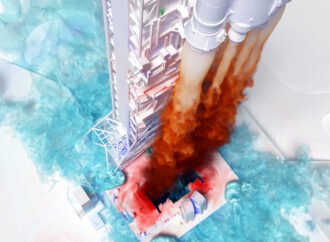
Airflow around rockets as they travel from Earth into space can have a dramatic impact on a mission, which is why NASA used advanced simulations to provide the best possible launch conditions for the Artemis II test flight around the Moon. To better understand the Artemis Space Launch System (SLS) rocket’s flight environment, engineers turned to a NASA-developed tool called the Launch, Ascent, and Vehicle Aerodynamics
READ MOREARMD Solicitations0
- Aeronautics, Aeronautics Research Mission Directorate, For Colleges & Universities, Learning Resources, SCIENCE
- March 8, 2026
THIS PAGE WAS UPDATED ON MARCH 6, 2026 This Aeronautics Research Mission Directorate (ARMD) solicitations page compiles the opportunities to collaborate with NASA’s aeronautical innovators and/or contribute to their research to enable new and improved air transportation systems. Most opportunities to participate in research are officially announced through the Web-based NASA Solicitation and Proposal Integrated
READ MORE

NASA Selects University Teams to Help Advance Aviation Research
- Aeronautics, Aeronautics Research Mission Directorate, Flight Innovation, Research and Technology Mission Directorate, SCIENCE, Science / Health, Science Mission Directorate, scientists, Space, Space Communications & Navigation Program, Space Launch System (SLS), Space Telescope, space-x-ipo, SpaceX, Transformative Aeronautics Concepts Program, University Innovation, University Leadership Initiative, University Student Research Challenge
- August 20, 2026

Latest Posts
-
NASA Selects University Teams to Help Advance Aviation Research
- Aeronautics, Aeronautics Research Mission Directorate, Flight Innovation, Research and Technology Mission Directorate, SCIENCE, Science / Health, Science Mission Directorate, scientists, Space, Space Communications & Navigation Program, Space Launch System (SLS), Space Telescope, space-x-ipo, SpaceX, Transformative Aeronautics Concepts Program, University Innovation, University Leadership Initiative, University Student Research Challenge
- August 20, 2026
-
-
New small spacecraft technology demonstration mission on the Moon
- Aeronautics Research Mission Directorate, Ames Research Center, Research and Technology Mission Directorate, SCIENCE, Science / Health, Science Mission Directorate, scientists, Small Spacecraft Technology Program, Space, Space Communications & Navigation Program, Space Launch System (SLS), Space Technology Mission Directorate, Space Telescope, space-x-ipo, SpaceX, Technology
- July 24, 2026
-



Top Authors
-
matechpros@gmail.com
ADMINISTRATOR
-
OWS
ADMINISTRATOR

