NASA just wrapped up its Max Power event, the agency’s first-ever aerospace technology expo that took place Wednesday through Sunday at the Kennedy Space Center in Florida. Featuring discussions, panels, announcements and technology demonstrations, the biggest part of the event was NASA’s update on the Ignition initiative, which promises to put a base on the
NASA just wrapped up its Max Power event, the agency’s first-ever aerospace technology expo that took place Wednesday through Sunday at the Kennedy Space Center in Florida. Featuring discussions, panels, announcements and technology demonstrations, the biggest part of the event was NASA’s update on the Ignition initiative, which promises to put a base on the moon by 2032.
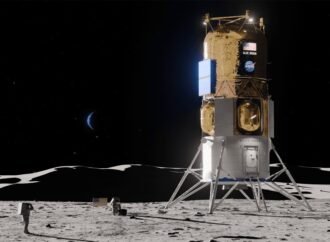
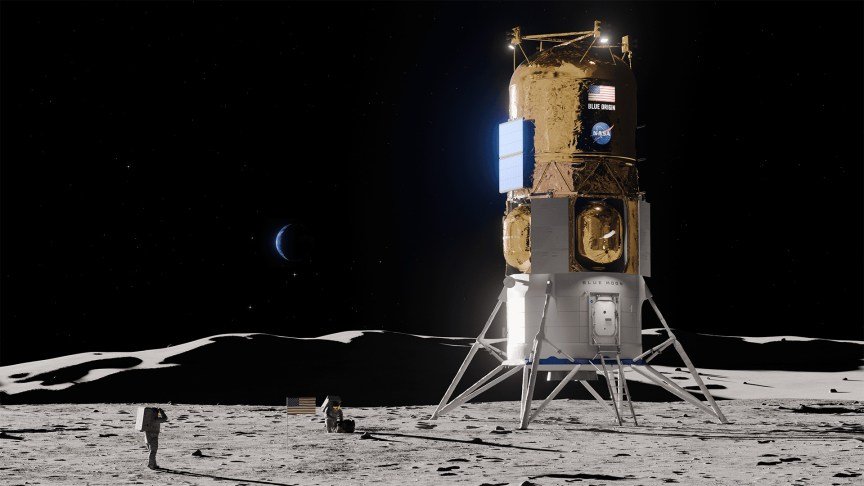
The Moon Base Program is an expensive endeavor that requires the help of various space companies to complete on time. Max Power discussed the various technologies and projects to make a base work, including the new CLPS 2 contract, a nuclear-powered moon rover and other lunar architecture.
NASA will rely heavily on commercial aerospace companies for many of these components: Blue Origin, Firefly Aerospace, Intuitive Machines, Lockheed Martin, Northrop Grumman, SpaceX, Voyager Technologies and ispace-US. Most of those companies have also been supplying tech for the Artemis program, which is slated to launch its third mission in 2027 and send people back to the moon in 2028. While the Artemis missions are important in their own right, NASA is also using them as a precursor to the Moon Base. That’s one of many reasons why it was a huge deal when Blue Origin’s New Glenn rocket exploded in May.
Cargo landers to deliver cargo early
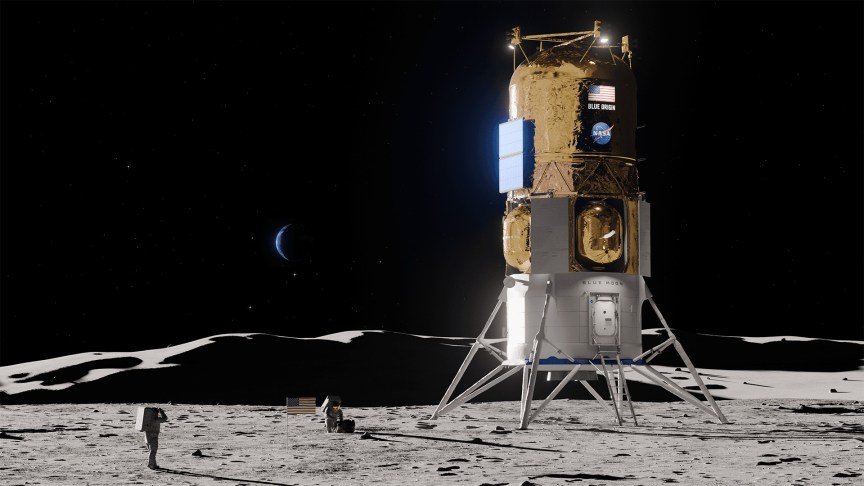
The CLPS 2 contract is part of NASA’s Commercial Lunar Payload Services initiative, which plays a pivotal role in the moon base’s construction. The goal is to send materials and equipment to the moon ahead of time, so humans can immediately start building the base when they arrive.
The CLPS 2 contract builds on the CLPS 1.0 contract to develop the infrastructure and vehicles, including cargo landers, necessary to continuously ferry supplies and crew between Earth and the lunar surface. To fund these efforts, NASA paired the $10 billion CLPS 2 budget with an expanded CLPS 1.0 budget, which increased from $2.6 billion to $4.2 billion.
The 18-wheelers of space
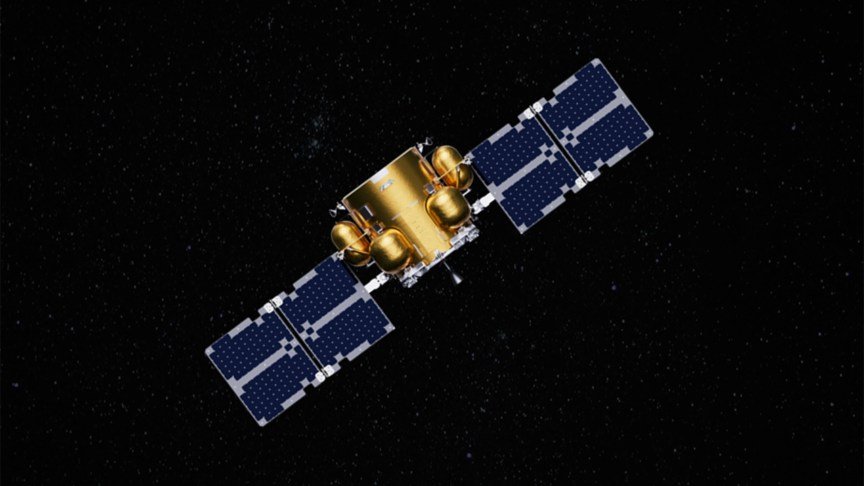
The cargo landers get cargo from space to the moon’s surface, but they also have to be transported there. NASA announced $1.3 billion in funding to Blue Origin, Arrow Science and Technology and Impulse Space to perform this step. They’ll make Orbital Transfer Vehicles, or OTVs, that act like “long-distance freight trucks” to carry the cargo landers and eventually deploy them safely to the moon’s surface.
In addition to building the vehicles that do this, NASA says three missions are slated for completion. First, research must assess how to reduce human risk and determine the best ways to deploy the CLPS landers. Second, NASA’s MoonFall drones will assess the moon and find the most optimal spot for a base. The third mission is to test the infrastructure to ensure it works as designed.
Promise, the nuclear-powered moon rover
NASA took some time to talk about Promise, also known as Polar Rover for Observation, Mapping and In-Situ Exploration, an important vehicle for early moon exploration. The agency awarded Blue Origin a $94 million development contract, plus a performance-based $140 million for lunar delivery. Once deployed, the nuclear-powered rover will be managed by NASA’s Jet Propulsion Laboratory at Caltech, which oversees NASA’s other rovers, NASA’s Deep Space Network and the Voyager probes.
Unlike solar-powered rovers, Promise’s nuclear core allows it to operate continuously through two-week lunar nights and in permanently shadowed regions where the sun never reaches. Its goal is to analyze regolith, hunt for ice and conduct general exploration.
Infrastructure on the moon
While most of NASA’s recent announcements focused on getting hardware to the moon, the final segment laid the groundwork for surface infrastructure, specifically, long-term habitability so astronauts can actually be there.
To power this presence, NASA awarded contracts for energy storage and transmission to Honeybee Robotics (a Blue Origin company) and Yank Technologies. Their solar arrays, batteries and wireless power hardware will culminate in the Mini-Communications and Solar Tower (miniCast), assembled at NASA’s Marshall Space Flight Center in Huntsville, Alabama, before being deployed to the moon.
A student challenge
NASA is also trying to tackle the myriad problems that must be solved for a moon base to succeed. One of the initiatives announced at Max Power is the Moon Base Student Challenge, which asks students to help build humanity’s future on the moon, with $1 million in prizes for winners with the best ideas.
“We are inviting students from across the country to help solve some of the problems that stand between humanity and a permanent presence on another world,” Isaacman said during his speech, which was packed with students and kids, according to Space.com.
While the initiative isn’t aimed at anything specific, it challenges students to tackle whatever they can regarding lunar base problems. NASA has tapped students before to help solve problems such as dealing with lunar dust clouds and human-capable landers.

See full bio
Keep following us for the latest insights.