I use plex daily. Lately I’ve been wondering if I should stop. The software, which allows you to turn your personal collection of TV shows and movies into a Netflix-style streaming service, is extremely convenient. But Plex is brought to you by a company that, lately, seems more focused on adding features than improving the
I use plex daily. Lately I’ve been wondering if I should stop.
The software, which allows you to turn your personal collection of TV shows and movies into a Netflix-style streaming service, is extremely convenient. But Plex is brought to you by a company that, lately, seems more focused on adding features than improving the cluttered user interface. It recently added a social platform and user reviews, two features I quickly disabled. I want to see things, not talk about them with strangers (that’s why I have friends). The company continues to make design decisions that drive its ad-supported streaming options over the personal media collection and DVR functionality I use the service for.
This might make sense from a business perspective. But it doesn’t make sense for my personal use of Plex, which consists of watching live TV and TV shows I’ve recorded and stored on my own computer. I pay a $70 annual subscription fee for this. You could avoid the annual subscription by purchasing a lifetime pass, but Plex just increased the price from $250 to $750. That’s more than a decade of annual passes, assuming Plex lasts the next decade.
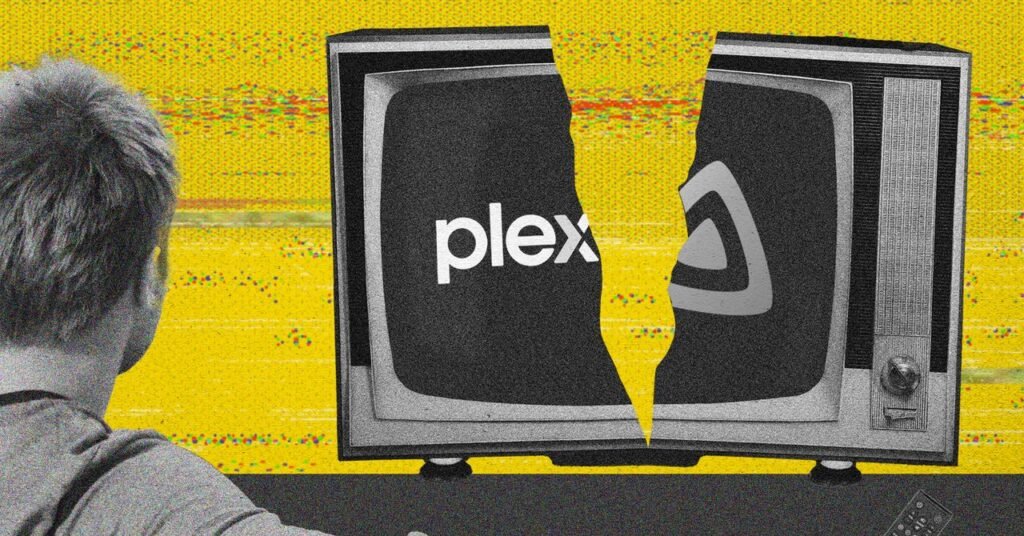
All of which is to say that there are reasons to be frustrated with Plex. And that’s enough to take a look at Jellyfin, a free and open source app that offers many of the features that make Plex so attractive. Is Jellyfin a good alternative? It depends.
Solid basics, difficult remote access
If the main thing you want is to watch your digital collection of TV shows and movies at home, I have good news for you: Jellyfin works very well. You can download the server, point it at your media, and access that media on other devices on your network, all in a couple of minutes.
The scan works fine. In my case, some things were labeled incorrectly, but I had similar problems setting up Plex and I know I can fix it without too much hassle – it’s a matter of naming the files correctly.
You can access your server on the local network by typing the local IP in your address bar, which is useful. And there are Jellyfin clients for every major desktop, mobile, and smart TV platform you can imagine. Simply put, you can get local media streaming up and running very quickly. If that’s your primary use and you’re tired of Plex, I can safely say that Jellyfin is ready for you with no problems.
But sometimes you’re not at home. Surprising, I know. One of the nice things about Plex is the relatively simple remote access, allowing you to view your media outside of your home network. With most modern routers, you won’t need to do much – the network is already taken care of. This is possible because Plex, the company, operates an infrastructure that directs other devices to your home server.
Jellyfin doesn’t have that infrastructure. If you want to access your Jellyfin server when you are away from home, you must configure the network infrastructure yourself. This could mean paying for a domain name and redirecting it to your server; It could mean setting up a VPN or it could mean playing with port forwarding. There are instructions, but they are clearly intended for advanced users.
Basically, you will have to touch up. Now, the type of person who runs their own Plex server can probably navigate all of this. But if you share access to your Plex server with other people, it will be more difficult for them to set up and use Jellyfin.
For more tech updates, stay tuned to our blog.