Andrew Dai left Google DeepMind knowing that visual AI was the frontier he wanted to push into. It achieved breakneck fundraising that resulted in a more aggressive valuation-to-equity ratio than Thinking Machines, which raised one of the largest rounds in US history. In this episode of Build Mode, host and Startup Battlefield lead Isabelle Johannessen
Andrew Dai left Google DeepMind knowing that visual AI was the frontier he wanted to push into. It achieved breakneck fundraising that resulted in a more aggressive valuation-to-equity ratio than Thinking Machines, which raised one of the largest rounds in US history.
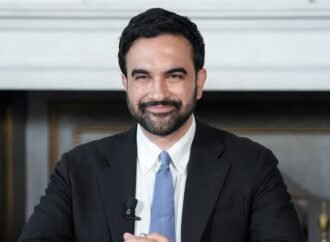
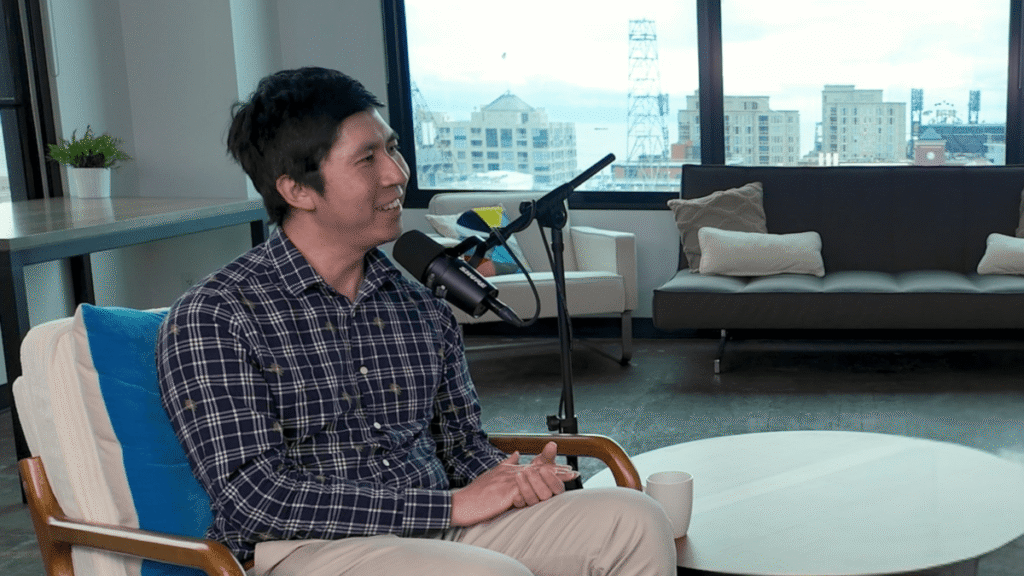
In this episode of Build Mode, host and Startup Battlefield lead Isabelle Johannessen sits down with Andrew Dai, founder and CEO of Elorian and former Google DeepMind researcher, to discuss how his company raised a $55 million seed round at a $300 million valuation just months after leaving Google.
Drawing on more than a decade spent helping build some of the world’s most influential AI systems, including research that later informed the development of ChatGPT, Andrew explains why he believes visual AI is one of the next important frontiers of artificial intelligence. “There are models that work very well in mathematics, very well in new ideas in physics, and of course coding is very popular now… But one area where progress has been extremely uneven is visual understanding and visual reasoning,” Dai said. “At Elorian, we want to create models that allow us to move towards visual AGI.”
Andrew walks through the fundraising process from the founder’s perspective, including how he honed a highly technical vision into a compelling story that investors could understand. He explains why he prioritized strategic partners like Nvidia and Menlo Ventures over even higher valuation deals, and how choosing investors who understood the realities of building cutting-edge AI proved more valuable than simply maximizing the price of his company.
The conversation also offers practical lessons for founders navigating today’s rapidly evolving AI landscape. Andrew shares how startups can communicate complex technical ideas without relying on jargon, why speed has become one of AI’s biggest competitive advantages, and what it takes to recruit world-class researchers outside of Big Tech.
In this episode, you will learn:
- What top venture capital firms look for when investing in AI startups.
- Why the highest valuation is not always the best fundraising outcome.
- How to present highly technical products to non-technical investors.
- What founders should consider when choosing venture capital partners.
- How startups can recruit top AI talent away from Big Tech.
- Why speed has become one of the greatest competitive advantages of AI.
- How founders can build lasting moats as AI technology evolves.
This season in Build mode, we’ll dive into all aspects of fundraising with experts who have first-hand experience raising massive pre-seed rounds, writing big checks, bootstrapping, going public, and navigating unexpected market circumstances that can change everything.
Subscribe to Build Mode onApple Podcasts, Spotifyorwherever you want to listen. And watch the full videos on YouTube. New episodes of Build Mode appear every Thursday.
When you buy through links in our articles, we may earn a small commission. This does not affect our editorial independence.
Check back often for more exciting news!