Receive the daily Popular Science newsletter💡 Breakthroughs, discoveries and DIY tips delivered six days a week. By registering, you confirm that you are 16 years of age or older, you will receive newsletters and promotional content, you agree to our Terms of Use, and you acknowledge the data practices in our Privacy Policy. You can
Feeding an animal that clearly needs help may be our first instinct. However, this approach of prioritizing food could do more harm than good because different species have different dietary needs.
Take baby skunks for example. Recently, the Raven Ridge Wildlife Center in Washington Boro, Pennsylvania, was caring for 50 juvenile skunks. The wildlife center employees found themselves preparing very diverse meals for the adorable mammals.
The daily menu included 15 cups of fruit, 15 cups of vegetables, a dozen eggs, 15 cups of moist dog food, 6 cups of meat, and 3 cups of mealworms, plus calcium and taurine supplements. However, when very young skunks arrive at the center, the little cubs need a species-specific formula that copies their skunk mother’s milk.
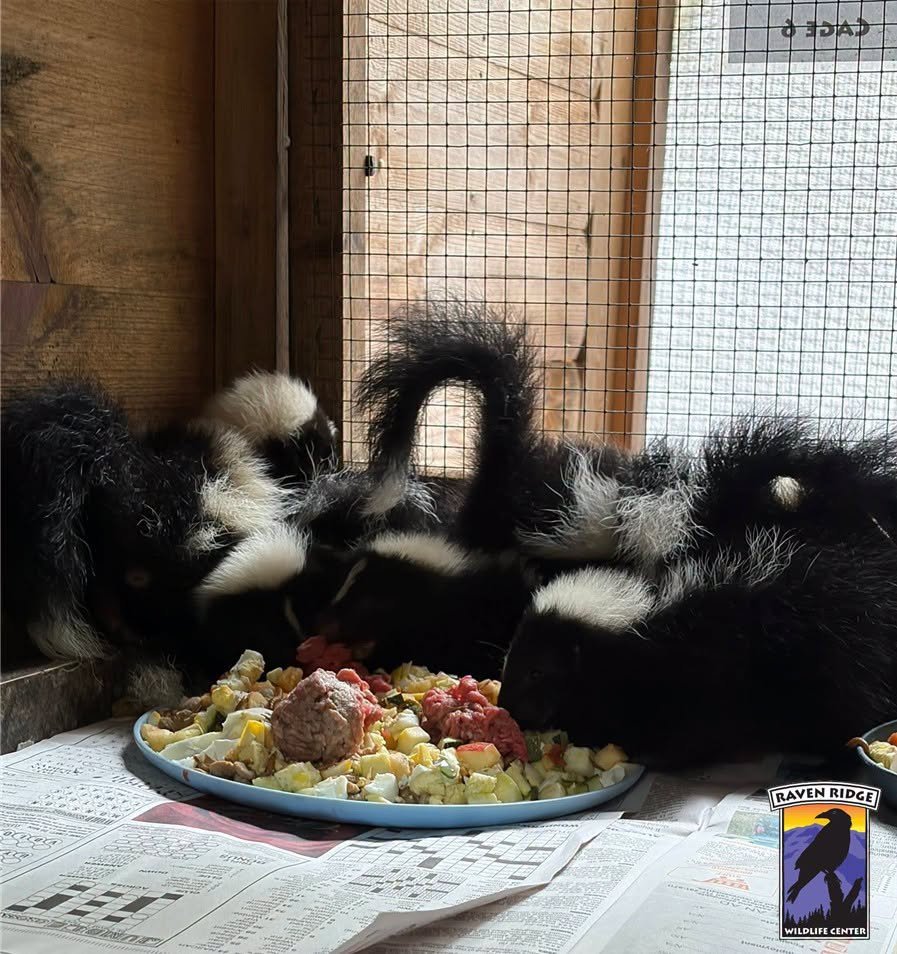
Imagine trying to cook some of this in your own kitchen! What’s more, a wild skunk in trouble is probably dehydrated and requires at least two days of rehydration before it can start eating again. If a dehydrated animal eats before it should, it could cause refeeding syndrome, which could be fatal.
“Often, well-intentioned people who find abandoned wildlife turn to Google for guidance on how to care for it. However, while Google can be helpful, it does not provide the best advice for wildlife rehabilitation,” writes Raven Ridge Wildlife Center. “Many mistakenly opt for puppy or kitten formula, which does not meet the specific dietary needs of young wild animals. Others may feed skunks cat food, but this option is often too high in fat and protein, leading to obesity and serious health problems.”
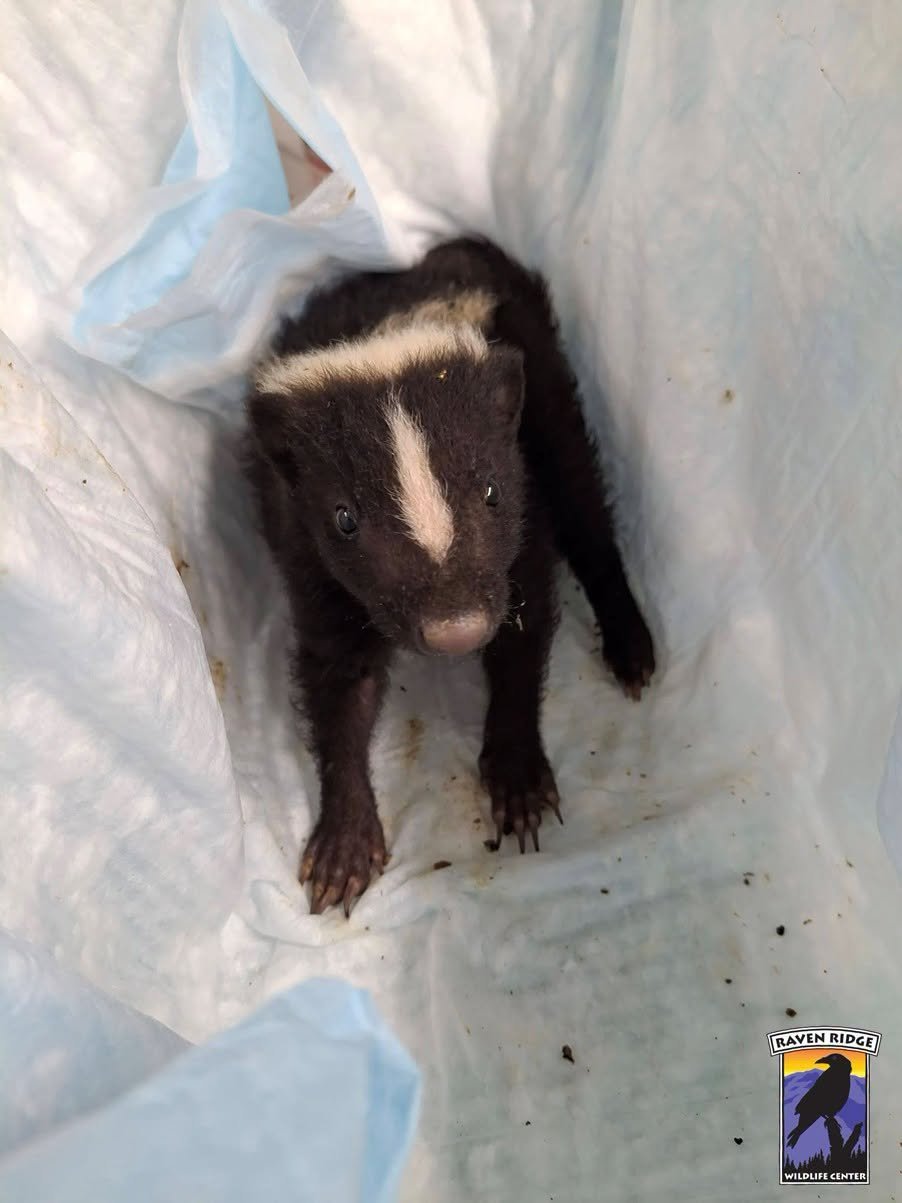
Like humans, skunks need a balanced diet that includes fruits, vegetables, and lean proteins. The Raven Ridge Wildlife Center team frequently encounters metabolic bone disease, caused by imbalanced levels of essential nutrients.
“If you encounter any wild animal, regardless of its age, it is important not to offer it any food, as this could harm its health,” the wildlife center writes. “The best approach is to gently place the animal in a box and keep it in a warm, dark, quiet place, and then immediately contact a licensed wildlife rehabilitator.”

2025 PopSci Best of what’s new
Check back often for more exciting news!