AI is already fueling workers’ fears of being replaced. Now, one startup CEO predicts it could soon help companies decide whether to lay them off, too. “We do expect that within the next few years, the majority of significant enterprise shifts, whether it’s products you’re launching, you know, layoffs that you’re making, et cetera, will
AI is already fueling workers’ fears of being replaced. Now, one startup CEO predicts it could soon help companies decide whether to lay them off, too.
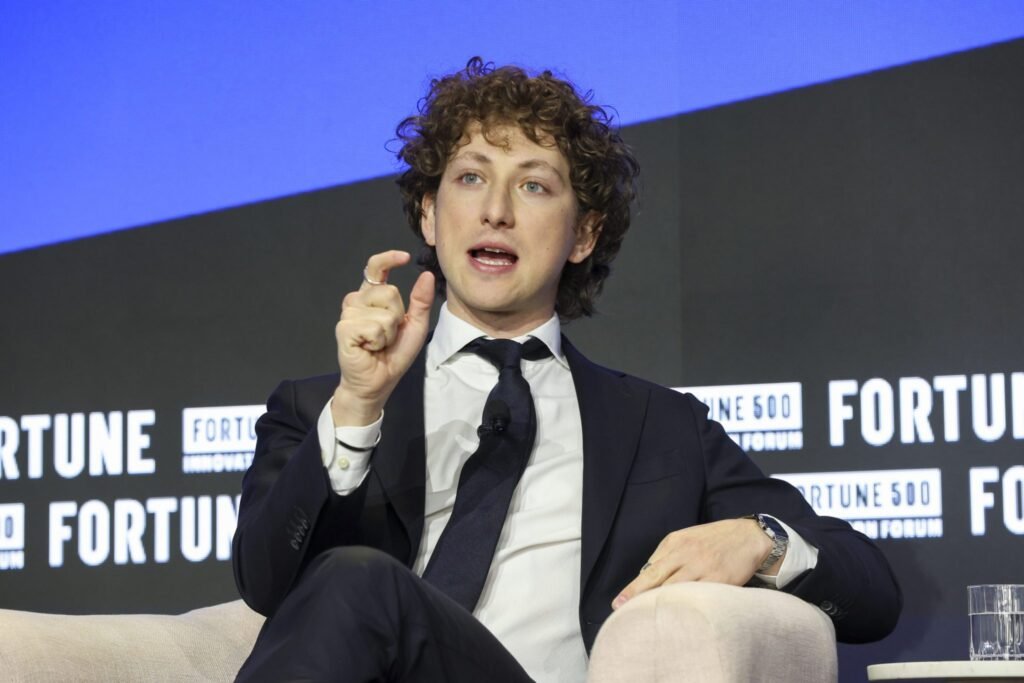
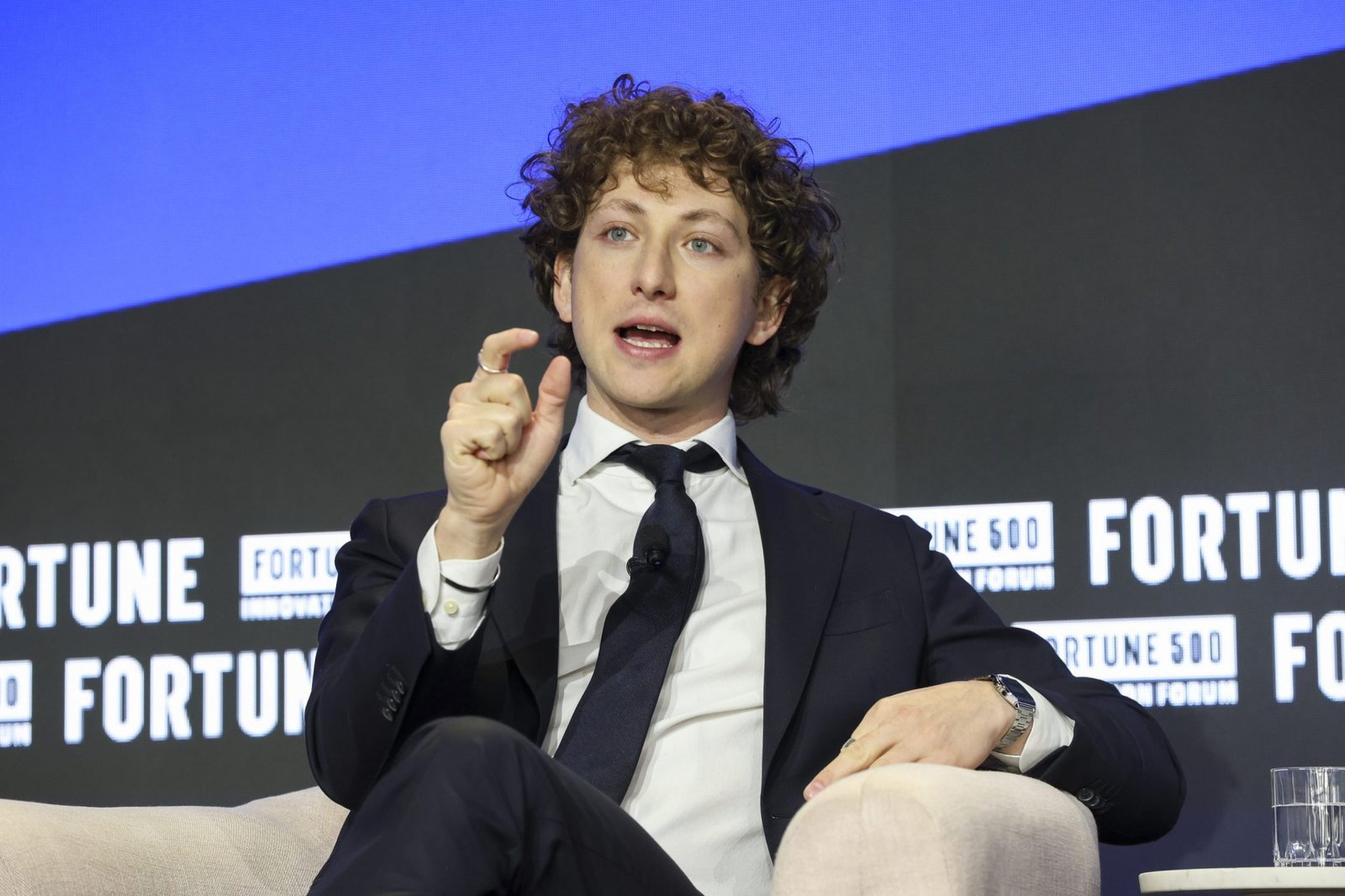
“We do expect that within the next few years, the majority of significant enterprise shifts, whether it’s products you’re launching, you know, layoffs that you’re making, et cetera, will be recommended by agents,” Michael Ioffe, cofounder and CEO of Arist, said while speaking with Fortune‘s Kristin Stoller at the Fortune 500 Innovation Forum in Detroit.
Ioffe’s company uses AI agents to interview employees, comb through company data, and recommend solutions to business problems. Arist already works with more than 15% of the Fortune 500, and its technology can gather insights from thousands of employees in just 72 hours—a process that traditionally requires teams of consultants. Still, he doesn’t envision executives handing over control entirely.
“At the end of the day, it will always be an executive who is making the final call,” Ioffe said.
That prediction comes as more companies cite AI when cutting jobs, sometimes drawing accusations of “AI washing,” or blaming technology for cuts made for other reasons. But even when companies genuinely expect AI to replace workers, moving too quickly can backfire. As Stoller previously reported, HR leaders have warned that companies risk losing valuable talent when they cut workers without a clear plan for how AI will replace their work.
For Ioffe, the appeal is speed. When sales fall or a product struggles, companies often spend months and millions of dollars working with consultants to understand why. He believes AI can help executives get answers in days rather than months.
Taking on the consultants
Ioffe didn’t set out to compete with consulting firms. At 19, he became interested in delivering education to students in war-torn Yemen and built a text-message-based learning platform, then shifted Arist toward training employees at Fortune 500 companies, becoming one of OpenAI’s early partners along the way.
He started to notice a pattern: companies would pay consultants millions to diagnose a problem, then pay Arist a few hundred thousand dollars to train employees to fix it. In his experience, the consultants got the diagnosis wrong about 90% of the time.
That prompted Arist to move from training employees to diagnosing the problems companies were trying to solve. Ioffe pointed to a major software company whose data was merely pointing out what was happening instead of why.
When AI advises the boss
Before AI can recommend something as consequential as a layoff, it first needs to understand what’s happening inside a company. Arist’s agents can decide whom to interview, ask questions, and weigh responses against information such as an employee’s tenure, performance, and past engagement scores. Ioffe said that helps the system distinguish the loudest complaints from problems affecting the wider organization. The agents will also push back, he said, if an executive frames a question to get the answer they want.
But gathering that information could raise concerns about how candid employees are willing to be with an AI agent working on behalf of their employer, especially when its findings could influence decisions about their jobs.
Ioffe argued that employees may actually be more candid with AI agents than with another person, making it easier for companies to uncover problems that might otherwise go unreported.
“Turns out that humans are not that good at listening,” he quipped.
Rather than replacing executives or consultants, Ioffe sees AI’s biggest opportunity in helping companies identify problems and act on them faster.
“If you can get to the truth much faster, then a 50,000-person enterprise can move at the speed of a 50-person startup,” Ioffe said.
Keep following us for the latest insights.