When a severe natural disaster takes out your local mobile tower, it has always been frustratingly impossible to simply jump onto a competitor network that might still be standing. For years, the lack of roaming during emergencies has been a glaring gap in Australian telecommunications, leaving regional communities cut off when they need connectivity the
When a severe natural disaster takes out your local mobile tower, it has always been frustratingly impossible to simply jump onto a competitor network that might still be standing. For years, the lack of roaming during emergencies has been a glaring gap in Australian telecommunications, leaving regional communities cut off when they need connectivity the most.
Today, that finally changes. Ahead of what is forecast to be a high risk, hot and dry summer season with elevated bushfire threats, Australia’s three major mobile network operators have officially switched on Temporary Disaster Roaming.
From today, Telstra, Optus and TPG Telecom can deploy this new capability to keep regional and remote Australians connected when their primary network is destroyed or disabled by extreme weather. It is a pragmatic, common sense solution that bypasses commercial network boundaries to prioritise human safety.
How the failover system works in practice
The implementation is designed to be completely invisible to the user. You do not need to download an app, change your physical SIM or alter your smartphone settings.
If a major disaster strikes and your usual mobile network goes offline, the telcos will manage activation directly between their 24/7 network operations centres. If Optus identifies that its network is down in a specific bushfire zone, it will contact Telstra or TPG to verify if their surviving networks have the capacity to handle extra traffic safely. A core principle of the system is that it must never put the surviving network or its existing customers at risk of failure due to congestion.
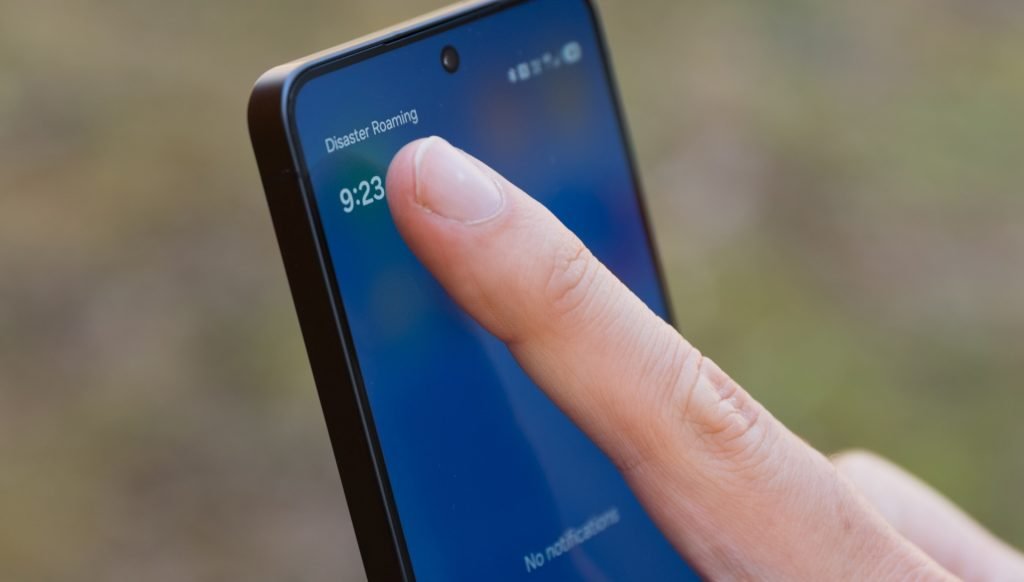
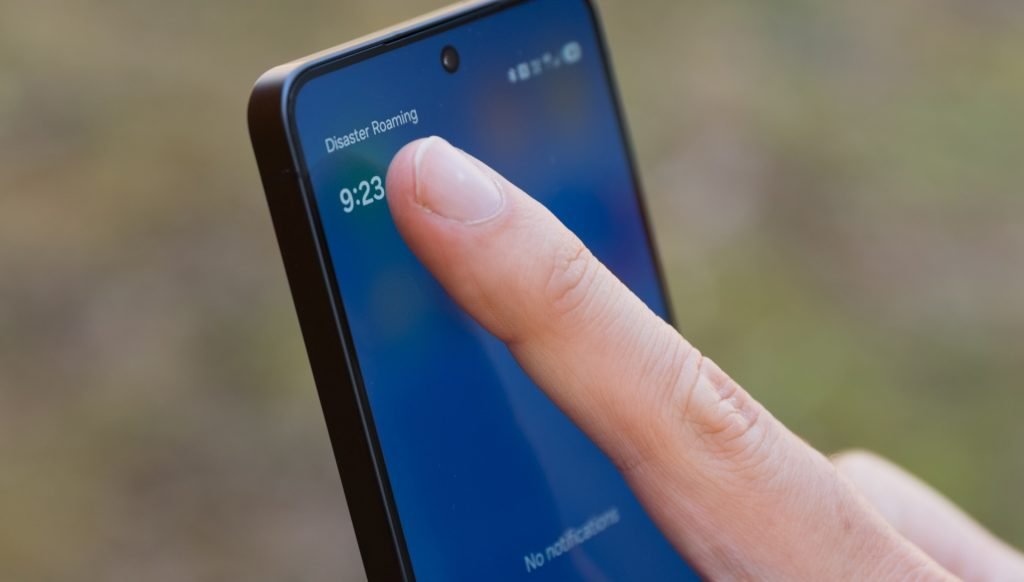
Once activated, your compatible smartphone may automatically connect to an active competitor network. Your device display might simply update the network name to Disaster Roaming or show the alternate carrier name. Deployments are designed for short durations, typically operating in 24 hour windows to assist during the most critical stages of an emergency. These periods can be extended if conditions demand it and the network remains stable, but they will be deactivated once the immediate crisis passes.
“Temporary Disaster Roaming has been developed by telcos to provide another way for regional and remote Australians to stay connected during natural disasters.”
Luke Coleman, CEO, Australian Telecommunications Alliance.
Strict limits on functionality and data
This framework is built strictly for essential communication, not for heavy media consumption.
If your phone connects via Temporary Disaster Roaming, you will have the ability to make standard voice calls, send text messages, and access basic data. The data speeds may be deliberately limited to prevent the surviving network from buckling under the sudden influx of new users. You will have enough bandwidth to receive emergency warnings, check weather updates, or use messaging apps like WhatsApp and iMessage, but high bandwidth activities like video streaming are off the table.
Importantly, there is no extra cost to use this feature. You will be charged standard rates according to your existing mobile or prepaid plan, with zero roaming fees applied.
Where the technology falls short
As a tech capability, it is important to understand the hardware and geographical restrictions before relying on this as your only backup plan.
The most critical limitation is power. A review of recent bushfire emergencies showed the vast majority of network outages are caused by a loss of mains power. If a massive grid outage occurs and backup generators fail across all three telcos, there will be no surviving network to roam onto.
The system is also geographically restricted. It is engineered exclusively for regional and remote areas, meaning metropolitan locations are completely excluded from the program. Furthermore, it can only be activated in a maximum of three disaster zones across Australia simultaneously. Each of these zones can include up to 15 mobile sites, and the separate disaster areas must be at least 400 kilometres apart from one another. This strict containment prevents a cascading failure across the national mobile grid.
Hardware compatibility is another factor. Your smartphone must support Voice over LTE roaming. For Telstra customers, this generally covers handsets launched from 2022 onwards, while Optus requires an eligible VoLTE device purchased directly through them.
Crucially, this system does not support smart devices or internet of things hardware. Medical alarms, EFTPOS terminals and other connected gadgets will not fail over to a roaming network, so existing backup plans for these devices remain essential.
The triple zero safety net
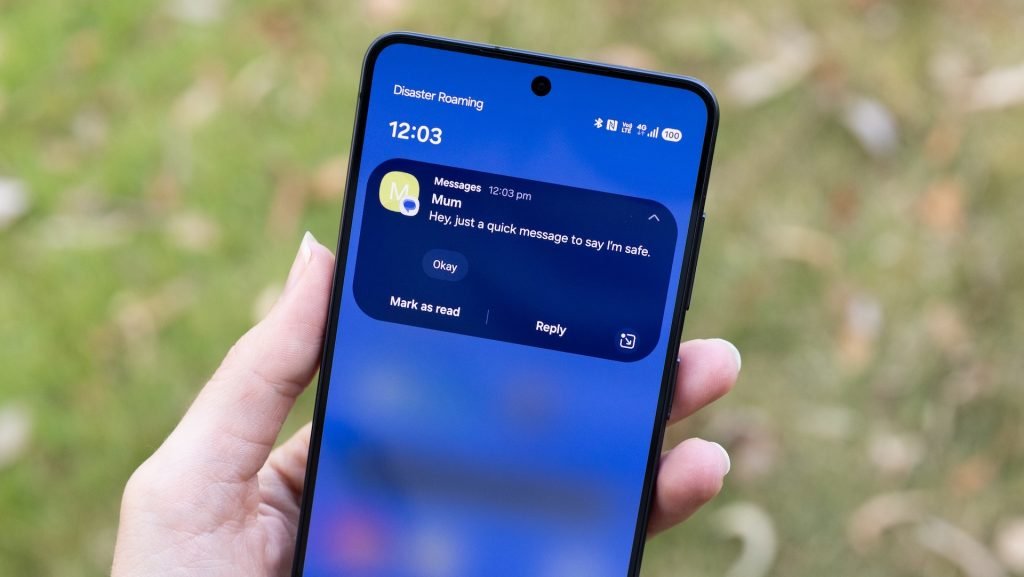
It is worth noting that accessing emergency services remains completely unchanged. Australians have always been able to call Triple Zero from any available mobile network using a built in phone feature known as camp-on. Temporary Disaster Roaming operates separately from this, giving you the expanded ability to actually contact family, friends, or local services when your primary network fails.
This is a significant step forward for regional network resilience, proving that when the pressure is on, the industry can cooperate to deliver genuine real world utility.
For more information, head to Australian Telecommunications Alliance.
For more tech updates, stay tuned to our blog.