“Big Short” investor Michael Burry has swapped his Alibaba stake for a rival and said the Chinese tech giant’s latest fundraising has left him unwilling to buy back in. On Sunday, Burry wrote in a Substack post that he recently moved his entire Alibaba position into JD.com, increasing his stake in the rival Chinese e-commerce
“Big Short” investor Michael Burry has swapped his Alibaba stake for a rival and said the Chinese tech giant’s latest fundraising has left him unwilling to buy back in.
On Sunday, Burry wrote in a Substack post that he recently moved his entire Alibaba position into JD.com, increasing his stake in the rival Chinese e-commerce company.
“I planned to move most of it back after a month or two. No longer,” wrote Burry, who shot to fame for betting against the US housing market ahead of the 2008 financial crisis and was portrayed by Christian Bale in “The Big Short.”
Burry added that Alibaba “would have to fall by half” to interest him again.
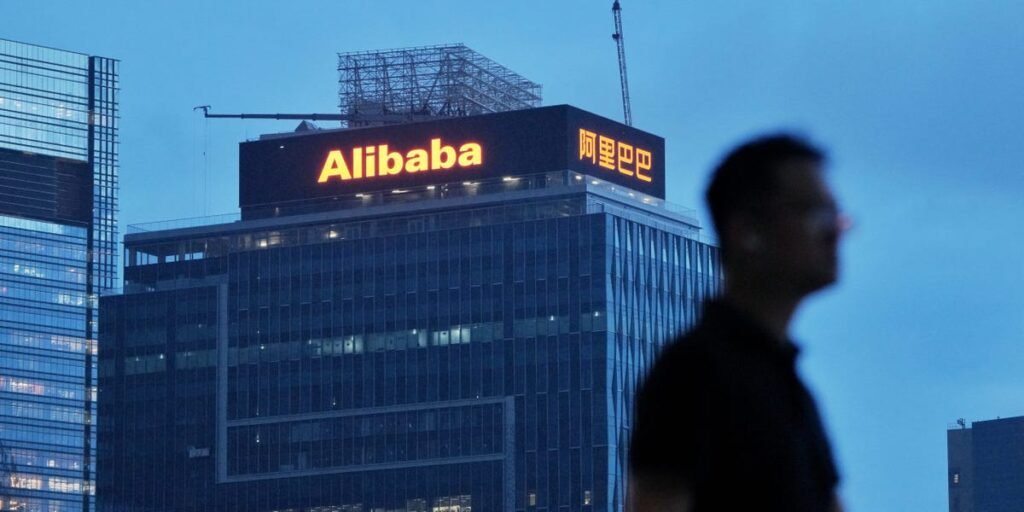
His comments came as Alibaba announced Sunday that it would raise 80 billion Hong Kong dollars, or about $10.2 billion, by selling 710 million new shares at 112.7 Hong Kong dollars apiece — a 8.4% discount to their closing price on Friday. The company said it would use all the net proceeds to expand its AI capabilities and infrastructure.
“I cannot bless share issuances,” Burry wrote. He said the move marked another “new paradigm” for Alibaba and predicted its return on invested capital would keep falling.
Still, Burry was bullish on Alibaba’s technology. He said the company was “making serious inroads” in the low-cost LLM race in the US and called it an “impressive” disruptive force.
Alibaba’s results last week highlighted the mounting cost of that AI push.
Revenue rose 9% in the June quarter, but net profit plunged 75% as capital expenditure jumped 75% to nearly $10 billion.
The spending mirrors a broader AI arms race. Microsoft, Amazon, Alphabet, and Meta are pouring hundreds of billions of dollars into capital expenditures, much of it on AI infrastructure, fueling investor concerns about how quickly those investments will pay off.
Alibaba’s shares have struggled despite enthusiasm around its AI ambitions. Its US-listed stock is over 60% lower than its 2020 peak, after years of pressure from Beijing’s tech crackdown, a slowing Chinese economy, fierce e-commerce competition, and geopolitical tensions.
The shares slid 9% on Friday to $119.34 after its results last week.
The pressure continued on Monday in Hong Kong, where Alibaba shares fell as much as 10% after the new share sale was announced.
Check back often for more exciting news!