A collection of poems, some scribbled on scraps of paper between food deliveries, has earned Wang Jibing one of China’s highest literary honors. Low Flight, inspired by the everyday challenges faced by delivery drivers, has taken home the Lu Xun Literary Prize, named after a writer who has been referred to as the father of
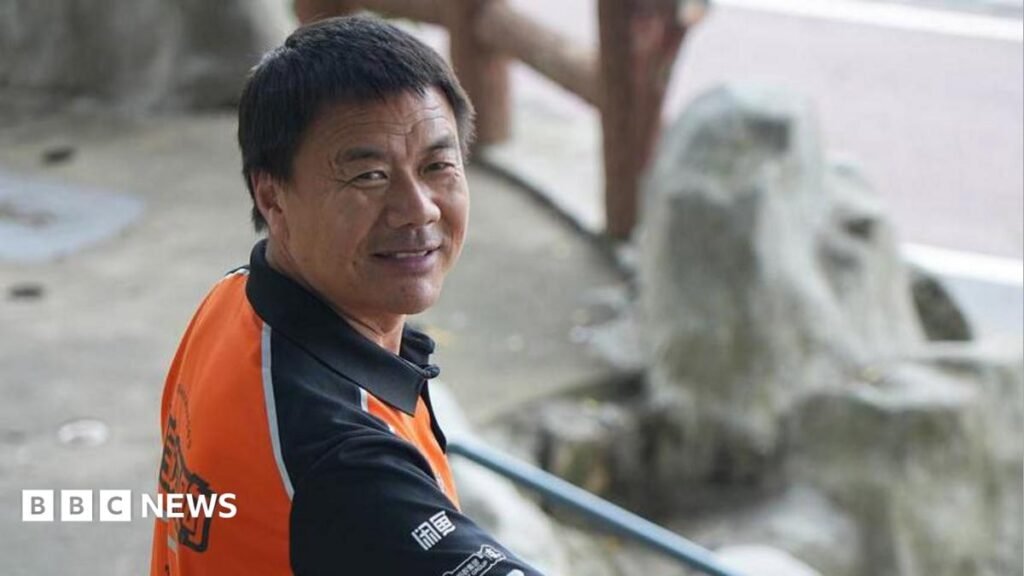
A collection of poems, some scribbled on scraps of paper between food deliveries, has earned Wang Jibing one of China’s highest literary honors.
Low Flight, inspired by the everyday challenges faced by delivery drivers, has taken home the Lu Xun Literary Prize, named after a writer who has been referred to as the father of modern Chinese literature.
Wang, 56, who became a delivery driver around 2019, gained traction on social media for his poems and essays.
He is part of a growing group of blue-collar workers who are being celebrated for their literary works, which offer a glimpse into the pressures they face in China’s huge informal economy.
For Wang, the prestigious literary prize comes after some difficult decades as a casual worker.
“I held my breath and felt extremely nervous… Once it was revealed, everything was settled,” Wang told state media Global Times on July 15, when news broke that he had won the award, adding that the media attention around him had created a lot of mental pressure on him.
Monetary prizes for winners of the Lu
Born in Jiangsu province, Wang left school as a teenager due to economic difficulties at home. He took various jobs, from construction to scavenging and selling things at a street stall, before becoming a food deliveryman.
But her love of reading persisted and for the past decade she has been posting her own poems and essays on social media.
In 2022, one of his poems, titled Man in a Hurry, went viral on the Internet. He was inspired by a 2019 incident, in which he spent hours making a frustrating delivery after a customer entered the wrong address.
In 2023 he published his first poetry collection, Man in a Hurry: Poems of a Food Delivery Rider.
Despite winning the award, Wang told the outlet that he had no intention of quitting his job, adding that he planned to work until he was 60.
“Financially I don’t need this job to make a living, but I love the work environment and it keeps me fit,” the Global Times report said. “I want a down-to-earth life and the award will never change who I am.”
Low Flight, published in 2024, is a collection of poems inspired by interviews and surveys Wang conducted with around 200 delivery drivers.
“Who says that spreading your wings means flying high? Flying low is also flying,” reads one of the lines of his poems.
His victory comes as a growing number of blue-collar workers in China have made their mark on the literary world in recent years.
I Deliver Parcels in Beijing, a 2023 memoir by former courier Hu Anyan, became a bestseller in China and also attracted media attention abroad. An English translation of the memoir was published last year.
Another title, I Am Fan Yusu, an autobiographical essay about the personal struggle of a migrant worker, took the Chinese Internet by storm in 2017. The response was so overwhelming that Fan had to temporarily leave his home amid endless media requests.
Lu Xun, after whom the literary prize is named, is widely considered one of the greatest Chinese writers of the 20th century, known for using satirical novels to criticize traditional Chinese society.
Long remembered as one of China’s most important literary figures, Lu’s works have found renewed resonance among today’s younger generation: a few years ago, Kong Yiji, a character in her novel, became a meme symbolizing disillusionment among young Chinese struggling to find work.
For more tech updates, stay tuned to our blog.