As the Cairo Intl. Film Festival (Nov. 11-20) marks 50 years since its founding, its industry arm is looking beyond the annual event, introducing new programs to provide longer-term support for filmmakers. “My vision is not to start very big,” says Mohamed Sayed Abdel-Rehim, head of Cairo Industry Days. “Every year, we introduce a new
As the Cairo Intl. Film Festival (Nov. 11-20) marks 50 years since its founding, its industry arm is looking beyond the annual event, introducing new programs to provide longer-term support for filmmakers.
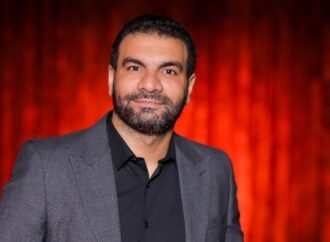
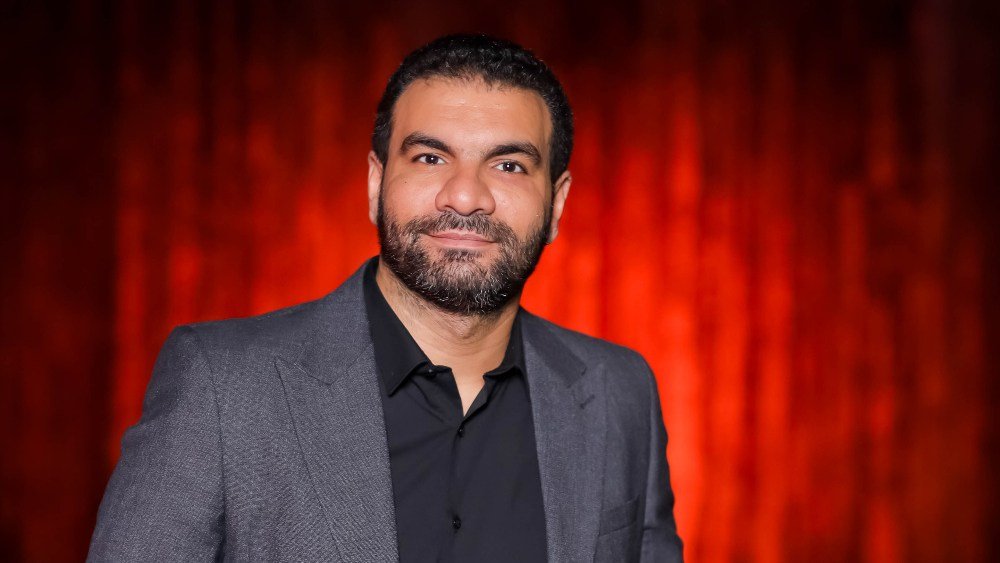
“My vision is not to start very big,” says Mohamed Sayed Abdel-Rehim, head of Cairo Industry Days. “Every year, we introduce a new program, or maybe a couple of programs, but we start them small in order to make the progress steady.”
That philosophy is shaping the eighth edition of CID, which runs Nov. 14-19 during the festival’s 47th edition.
At the center of this year’s expansion is the 12th iteration of Cairo Film Connection, the festival’s co-production platform supporting Arab filmmakers. CFC is introducing a mentorship program designed to extend its relationship with selected projects beyond the industry event itself.
“We try not to make it only the four days of the Cairo Film Connection during the festival. We try to make it year-long,” Sayed Abdel-Rehim explains.
The initiative brings together five international experts covering development, pitching, budgeting and financing, festival strategy, broadcasting and legal matters. Online sessions have already begun, with mentoring continuing during the festival. CID has also partnered with the Sundance Documentary Fund to organize an online session for projects from last year’s CFC that are still seeking support.
For Sayed Abdel-Rehim, the goal is to build a pipeline in which filmmakers progress from CID workshops to CFC, before completing films that screen in CIFF’s competitions.
“We try to make our filmmakers that were selected in the Cairo Film Connection part of the alumni family,” he says, describing an ongoing commitment to supporting their careers. The relationship can eventually come full circle with directors whose films win Cairo’s Golden Pyramid, the festival’s top prize, returning as CFC jury members the following year.
There are already signs of that progression. CFC-supported films have reached major international festivals this year, including Sara Ishaq’s “The Station” at Cannes Critics’ Week, Rania Rafei’s “The Day of Wrath: Tales from Tripoli” at the Berlinale Forum and Mohanad Yaqubi’s “Revolutionaries Never Die,” which won the Special Jury Prize at Locarno. Other projects developed through CID workshops have subsequently been selected for CFC or screened in Cairo’s competitions.
“This doesn’t happen every year,” Sayed Abdel-Rehim acknowledges. “But it shows that in recent years, we’ve been selecting projects with a strong chance of reaching completion and traveling internationally.”
This year, CFC has selected 17 projects from 12 countries and will present 43 individual awards. “We initially thought we would select around 10 projects, but there were so many strong submissions that it was difficult to narrow them down,” Sayed Abdel-Rehim says.
He also emphasizes the importance of broadening opportunities for underrepresented filmmakers. “We always support women filmmakers, and we also try to support countries that don’t produce a lot of films,” he adds, pointing to Yemen, Sudan and Libya as examples.
Another new initiative, “From Book to Screen,” seeks to reconnect Egypt’s film and publishing industries. The CID director points to Egypt’s long history of literary adaptations, particularly during the 1960s and 1970s, and the subsequent decline in that tradition.
The program has selected 10 books from 10 Egyptian publishing houses, with authors and publishers receiving training ahead of pitching their works to producers. CID hopes to introduce a formal selection committee next year and open the initiative to writers across the Arab world by 2028.
The same incremental approach is visible in the Cairo Film Market, launched in 2024 with eight companies. This year’s market features 23 booths, alongside delegations from countries across Asia and Africa with which CIFF and CID are strengthening ties. CID is also expected to sign a cooperation agreement with SICA Abidjan, an audiovisual forum in Côte d’Ivoire, during this year’s edition, extending its network of African industry partners.
Beyond expanding its international network, CID is also addressing some of the longstanding challenges facing independent filmmakers. “The problem is always about financing films, about distributing the films, about marketing the films,” Sayed Abdel-Rehim says. “Some independent filmmakers, especially in their first film, don’t give a lot of attention to distribution and marketing.”
To begin addressing these longstanding gaps, CID is expanding its professional development offerings, including immersive storytelling and XR programming, as well as workshops exploring artificial intelligence in pre-production. Sayed Abdel-Rehim sees emerging technologies as particularly relevant to independent filmmakers working with limited budgets.
The wider program includes masterclasses with directors Matteo Garrone, Asif Kapadia, Abderrahmane Sissako, Óliver Laxe and Laura Wandel, as well as Egyptian screenwriter and producer Medhat El Adl. Moroccan filmmaker Nabil Ayouch, who also presides over CIFF’s international competition jury, will lead a masterclass, while Egyptian actor Asser Yassin will take part in an In Conversation session. Industry panels will explore financing for Arab films, opportunities for women directors, the challenges facing a new generation of Arab filmmakers and the future of theatrical exhibition.
Taken together, these initiatives reflect Sayed Abdel-Rehim’s ambition for CID to do more than help filmmakers get individual projects off the ground. Instead, he wants CID, as an institution, to give them the support and connections to build sustainable careers, allowing them to continue making films for years to come.
That ambition extends beyond individual filmmakers to strengthening Cairo’s ties with the international film industry.
“The vision of the Cairo film industry is to connect. To connect the North with the South, to connect the East with the West,” Sayed Abdel-Rehim concludes.
Check back often for more exciting news!