Smoke Shrouds Northern Thailand - NASA Science
- Air Quality, Earth Observatory, Human Dimensions, SCIENCE, Terra, Wildfires
- April 23, 2026

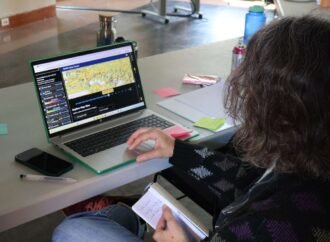
The NASA Science Activation Program’s Cosmic Storytelling with NASA Data (CosmicDS) project, led by Harvard University in Cambridge, Massachusetts, works to bring authentic NASA data into the hands of educators and learners. From July 27–29, 2026, the CosmicDS team partnered with the Smithsonian Institution’s BEST AQI (Breathing Easier: Supporting Teen Air Quality Investigations) project to
READ MORE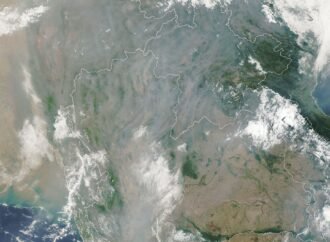
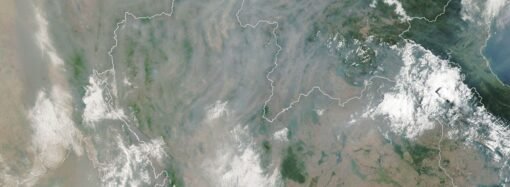
Chiang Mai, Thailand’s second-largest city, lies within a network of narrow valleys in the country’s northern highlands. Though the historic city is known for panoramic views of the surrounding mountains, clear skies have become less common. In recent decades, smoke has increasingly darkened the skies during the dry season, particularly in March and April. A
READ MORE