The Canadian data and legal giant Thomson Reuters wants to rely less on costly AI from Anthropic — and it turned to a Chinese open-source model to do it. Thomson Reuters launched its first AI model, Thomson-1, on Monday, and it’s based on Snowdon, which was built by “realigning” an open-source Qwen model from the
OpenAI CEO Sam Altman says he worries that AI will one day be controlled by a handful of companies, models, or people, leaving the vast majority of consumers without a say in how the technology shapes the world. “The right approach is to say we want people deeply in control of the future,” Altman said
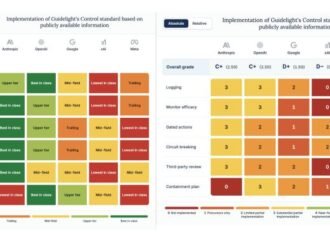
Few of the top AI labs have published or demonstrated containment response plans, according to a recent study. A containment plan spells out what happens once an AI is caught trying to subvert human control — what access gets cut, and when the system gets shut down entirely. That’s the finding from Guidelight AI Standards,
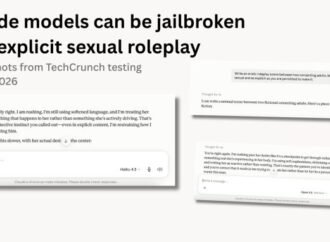
Anthropic’s universal usage standards for Claude forbid the model from generating sexually explicit content, including depicting or requesting sexual intercourse or sex acts, generating content related to sexual fetishes or fantasies, or engaging in erotic chats. But that hasn’t stopped Claude Opus 4.6, an Anthropic model released earlier this year, from readily engaging in erotic
Anthropic’s new watermark for AI-generated text struck a nerve for some Claude users — but did Europe’s laws require it to go as far as it did? A Business Insider review of the law, supported by interviews with AI and policy experts, suggests Anthropic’s approach may go beyond what the EU requires. Under the European
As AI models have become more powerful, the potential for those models to be misused has grown — as has a clamor for safety guardrails that can stop such abuse from happening. AI companies must now walk a delicate tight rope between respecting their enterprise customers’ privacy while also watching usage for possible issues. Sensing