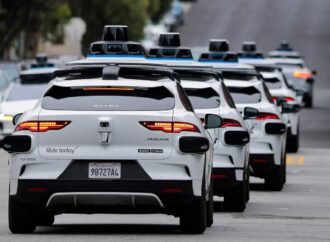
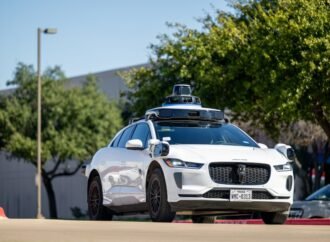
Autonomous vehicle (AV) technology companies like Tesla, Waymo, and Zoox will have to provide first responders with local, on-the-ground support when their robotaxis cause problems under a new California law. The companies could also face penalties if a robotaxi blocks police or firefighters for more than 30 minutes. Senate Bill 1246, which was signed into
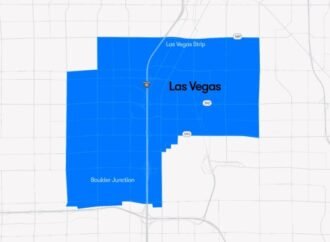
Waymo has begun to open up its robotaxi service to the public in Las Vegas, just a few weeks after receiving final approval from Nevada transportation regulators. The Alphabet-owned company said Monday it will invite public riders on a rolling basis, following a robotaxi launch playbook it has followed in 14 other cities. Waymo is
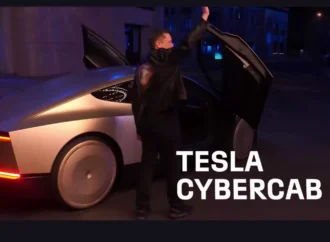
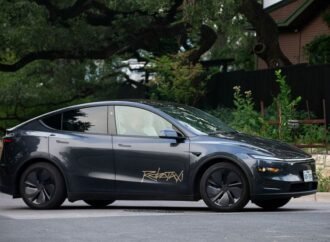
On Thursday, Tesla made its Cybercab robotaxi available to riders in Austin, Texas. Soon after, the National Highway Traffic Safety Administration said it was investigating the launch. Tesla CEO Elon Musk unveiled the Cybercab in October 2024, noting the vehicle would go into production “before 2027.” Production indeed kicked off in April 2026, though Musk
Today could be the day Tesla changes forever. In a couple of hours, Tesla will “launch” the Cybercab — a small, gold, two-seater sedan with no steering wheel or pedals that uses cameras and AI to navigate the world — in its hometown of Austin, Texas. The company hasn’t said what the launch will entail,
Waymo has responded to questions from the National Highway Traffic Safety Administration (NHTSA) as part of the regulator’s investigation into a January crash in which a robotaxi struck a child at low speed. An initial batch of documents was posted to NHTSA’s website on Friday morning after TechCrunch inquired about them earlier in the week.
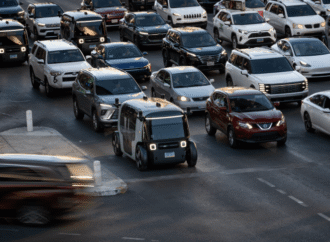
Autonomous ride-hailing company Zoox will start charging for rides in Las Vegas next week, ending its free pilot program. Starting Aug. 10, the Amazon-owned startup will begin offering a paid service for its pod-shaped, purpose-built robotaxis — a bummer for free riders, but the next logical step for the company in its growth from a