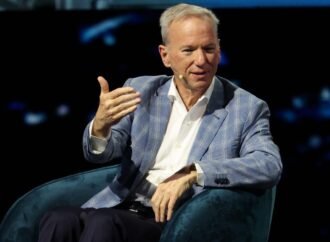
The former Google CEO said AI has beaten him at the thing he was once best at. Eric Schmidt, now 71, told Blackstone’s “Inside Blackstone” podcast that he was among the top programmers of his generation, but today’s AI coding tools are writing the code he couldn’t. “I was a very, very good programmer when
At Anthropic, Kristen Swanson’s role is to help people get better at using AI. Often, that means knowing when they should do the work themselves. “I have a job teaching people how to use AI, and I probably spend at least half of my time telling people when not to use AI,” said Swanson, who
One of the biggest fears about AI was that it would kill tech jobs and shrink the software industry. The logic seemed straightforward. If AI made developers much more productive, tech companies would need fewer of them. That would mean fewer software subscriptions, known as “seats,” because each worker typically has their own account. Investors
This essay as told is based on a conversation with Max Votek, co-founder and managing partner of Customertimes, a business consulting firm that helps Fortune 500 companies implement AI. This essay has been edited for length and clarity. Companies are quick to blame layoffs on artificial intelligence. But from my perspective, advising Fortune 500 companies
If you ask tech workers what people don’t understand about working in their industry, they’ll tell you: a lot of things. In interviews with Business Insider, tech professionals at companies like Amazon, Google, and Snap challenged assumptions that their jobs consist primarily of coding, that AI has made their jobs easier, and that Big Tech
Elon Musk says AI will create such abundance that governments will provide for everyone and work will become an option. Michael Burry says getting there will be a tough road. “AI+ robots will be able to do everything, resulting in high universal incomes,” Musk recently posted on X. “Work will be optional.” “False,” Burry replied.