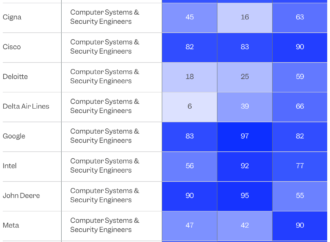
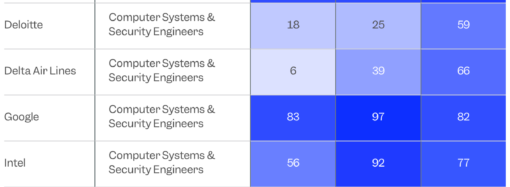
How far we get in our careers, we tend to believe, depends on us: our intelligence, our temperament, our hustle. But where we work and the support we get there matter immensely too. Does your company promote from within, or does it hire senior people from elsewhere? Does it spend real money on training and
One of the biggest fears about AI was that it would kill tech jobs and shrink the software industry. The logic seemed straightforward. If AI made developers much more productive, tech companies would need fewer of them. That would mean fewer software subscriptions, known as “seats,” because each worker typically has their own account. Investors
AI is escaping the tech industry. The latest evidence suggests that the technology is no longer limited to software engineers and data scientists; It is spreading to the broader economy, including in Europe. New data from Indeed shows that employers are increasingly adding AI directly to jobs for non-tech roles in sales, human resources, legal
AI is not replacing engineers but rather reshaping who else gets hired. New data from SignalFire shows that software engineers make up 55% of hiring at top tech companies, up from 46% in 2019, even as overall hiring remains below pre-pandemic levels. Other roles are shrinking more quickly. While engineering hiring is down 11% since
If you ask tech workers what people don’t understand about working in their industry, they’ll tell you: a lot of things. In interviews with Business Insider, tech professionals at companies like Amazon, Google, and Snap challenged assumptions that their jobs consist primarily of coding, that AI has made their jobs easier, and that Big Tech