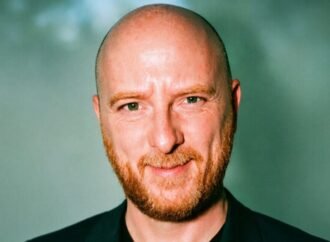
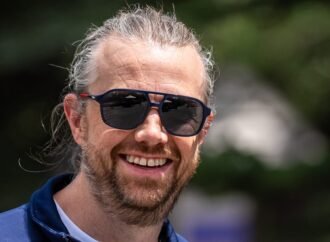
This as-told-to essay is based on a conversation with Guillaume Meyer, a Paris-based tech founder and creator of a viral open-source project “Watermarks Remover,” which he made in response to Anthropic’s AI watermark announcement. His words have been edited for length and clarity. I’m an entrepreneur, and I’ve been in the tech industry for over
A mysterious new AI model is making the rounds among developers — and nobody is saying who built it. Ox Alpha appeared on OpenRouter on Thursday as a “stealth model” from an anonymous third-party provider. OpenRouter describes it as a “reasoning model designed for coding, sustained agentic work, and production workloads. It is suited for
Anthropic is trying to calm everyone down over its new watermark. The company sparked a wave of discourse this week when it updated a support page for its Claude model to reveal its plans to mark AI-generated text as AI-generated. Now, after concerns from Claude users, Anthropic has published a blog post on Friday that
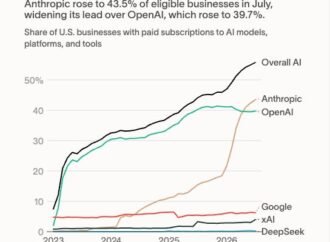
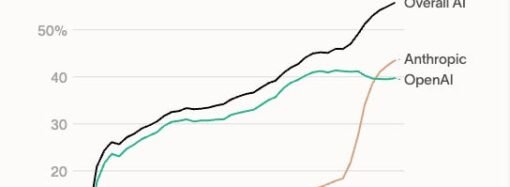
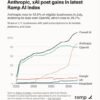
Although OpenAI still straggles behind Anthropic in a closely watched measure of AI adoption among businesses, there’s a spark of hope for CEO Sam Altman’s company. OpenAI has an advantage over its rival’s priciest and most advanced model, according to new data from Ramp’s AI Index. The data shows that Anthropic’s Fable 5 model generated
One of the biggest fears about AI was that it would kill tech jobs and shrink the software industry. The logic seemed straightforward. If AI made developers much more productive, tech companies would need fewer of them. That would mean fewer software subscriptions, known as “seats,” because each worker typically has their own account. Investors
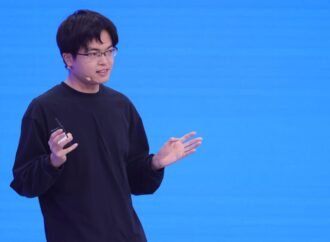
There is one founder making waves in the AI industry who is not an American tech billionaire like Elon Musk, Sam Altman or Dario Amodei. Yang Zhilin is the 34-year-old researcher and entrepreneur behind Chinese company Moonshot AI and its new open-weight Kimi K3 AI model, which caught the attention of Silicon Valley this week.