Artificial intelligence has become such a powerful force in financial markets that semiconductor stocks are now doing more to explain movements across asset classes than oil prices, according to Goldman Sachs. “Tech has become an increasingly important driver of risk appetite,” Goldman analysts wrote in a note published on Monday. The bank found that exposure
It may be time to rethink the AI trade as two increasingly distinct AI ecosystems emerge around the US and China, according to a new analysis from Goldman Sachs. “The narrative of a global AI duopoly is gaining traction among investors,” wrote strategists led by Kinger Lau in a note published on Sunday. One ecosystem
AI agents have quickly become Silicon Valley’s latest obsession. Now comes the harder part of figuring out how they’ll make money. The attention comes amid Meta’s recent launch of Muse, which has brought fresh attention to a new generation of AI software designed to shop online, book travel, and complete tasks on users’ behalf. Goldman
Long-term Treasury yields around 5% have made government bonds attractive again, but AI infrastructure still offers a better opportunity, according to a Goldman Sachs executive. “Personally, I think the asymmetric expression is being long compute,” said Anshul Sehgal, Goldman’s global co-head of fixed income, currencies, and commodities. Sehgal said he favors AI infrastructure companies, including
Markets see the result of this week’s Federal Reserve meeting as nearly a foregone conclusion, but the implications for markets are more up in the air. Markets are pricing about 93% odds of a rate hike at the end of the Fed’s policy meeting on Wednesday. With inflation at 3.4%, long-term Treasury yields spiking, and
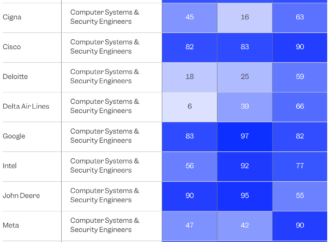
How far we get in our careers, we tend to believe, depends on us: our intelligence, our temperament, our hustle. But where we work and the support we get there matter immensely too. Does your company promote from within, or does it hire senior people from elsewhere? Does it spend real money on training and