South Korea’s stock market was back in the red on Monday, extending a turbulent stretch after July’s historic selloff. On Monday, the country’s benchmark Kospi index closed 5% lower as index heavyweights Samsung Electronics and SK Hynix both ended 9% lower. The declines reversed part of Friday’s record rebound, when the Kospi surged 178% —
South Korea’s stock market crash quickly took the shine off one of this year’s biggest AI success stories: the rise of Samsung Electronics and SK Hynix to the trillion-dollar club. Buoyed by the global artificial intelligence boom, both memory chip giants crossed the $1 trillion market capitalization threshold in May, as investors flocked to companies
Global stocks fell on Friday as investors soured on technology stocks and worried about a new surge in energy prices. AI companies have reported stellar profit growth in recent days, but they have also committed to spending hundreds of billions on building AI infrastructure, leading some investors to question whether they will ever see a
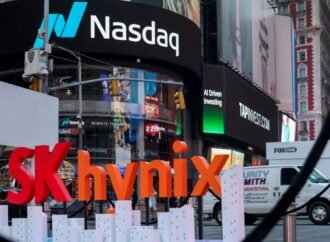
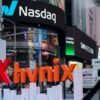
South Korea’s SK Hynix has been on a rollercoaster ride recently, but little has actually changed in its position at the center of the AI boom. On Wednesday, the memory giant’s Seoul-listed shares rose as much as 13% after its Nasdaq-listed American Depositary Receipts rose 27% overnight. The rally followed a sharp sell-off earlier this
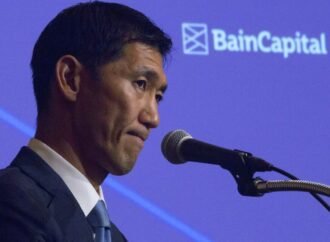
Kioxia may have become Japan’s most valuable company amid the AI boom, but South Korea’s chip giants still have a structural advantage, according to the Bain Capital executive who led the company’s purchase from Toshiba. “The reason South Korean companies are so successful in the semiconductor industry is the powerful vertical leadership and ownership structures