Good morning. By 2030, the AI ecosystem will need about $2.6 trillion in annual end-market spending to support data centers, chips, model development, and investor returns, according to a BCG Institute analysis. Enterprises would account for $1.8 trillion of that total, followed by consumers at $366 billion, hyperscalers’ internal use at $204 billion, and emerging
Sylvain Catherine loves his $200-a-month Claude — but he isn’t convinced the race toward increasingly capable AI models is worth the risk. The economist and associate professor of finance at The Wharton School recent made waves in the tech community when he declared on X that his “views on AI have radically shifted” after watching
Good morning. It’s Election Day here in the U.S., and a shout-out to all of our readers who will make time to vote today, if they haven’t already done so. Several of my editorial colleagues and I shared our thoughts on what’s at stake for business leaders in this segment of the Fortune Daily show.
Joshua and Jeonghan, vocalists from the mega-band Seventeen, made a three-hour concert look like a good excuse to hang out with your BFF. Over a decade ago, the two were training to debut in K-pop. One was a doe-eyed Korean American with an acoustic guitar, fresh off the plane from Los Angeles; the other a
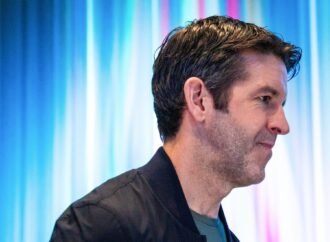
John Ternus, Apple’s new CEO, has spent the first two months in his new post celebrating a batch of fresh products, particularly the release of the foldable iPhone Duo. On Monday, the 51-year-old executive introduced himself to Wall Street for his first quarterly earnings call. The reception was not so friendly. While Apple beat September-quarter
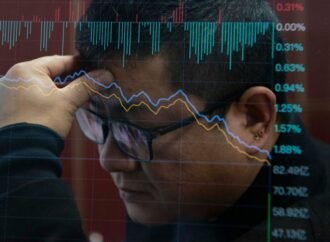
China is stepping up efforts to shore up its stock market after a sharp reversal in the AI trade sent technology stocks tumbling. On Monday, Beijing announced a new round of central bank swap operations to support stocks, saying 31 securities firms and fund managers had applied for more than 100 billion Chinese yuan, or